

1 day ago
Gadilanka’s Century-Old Clay Idol Craft Faces Steep Decline
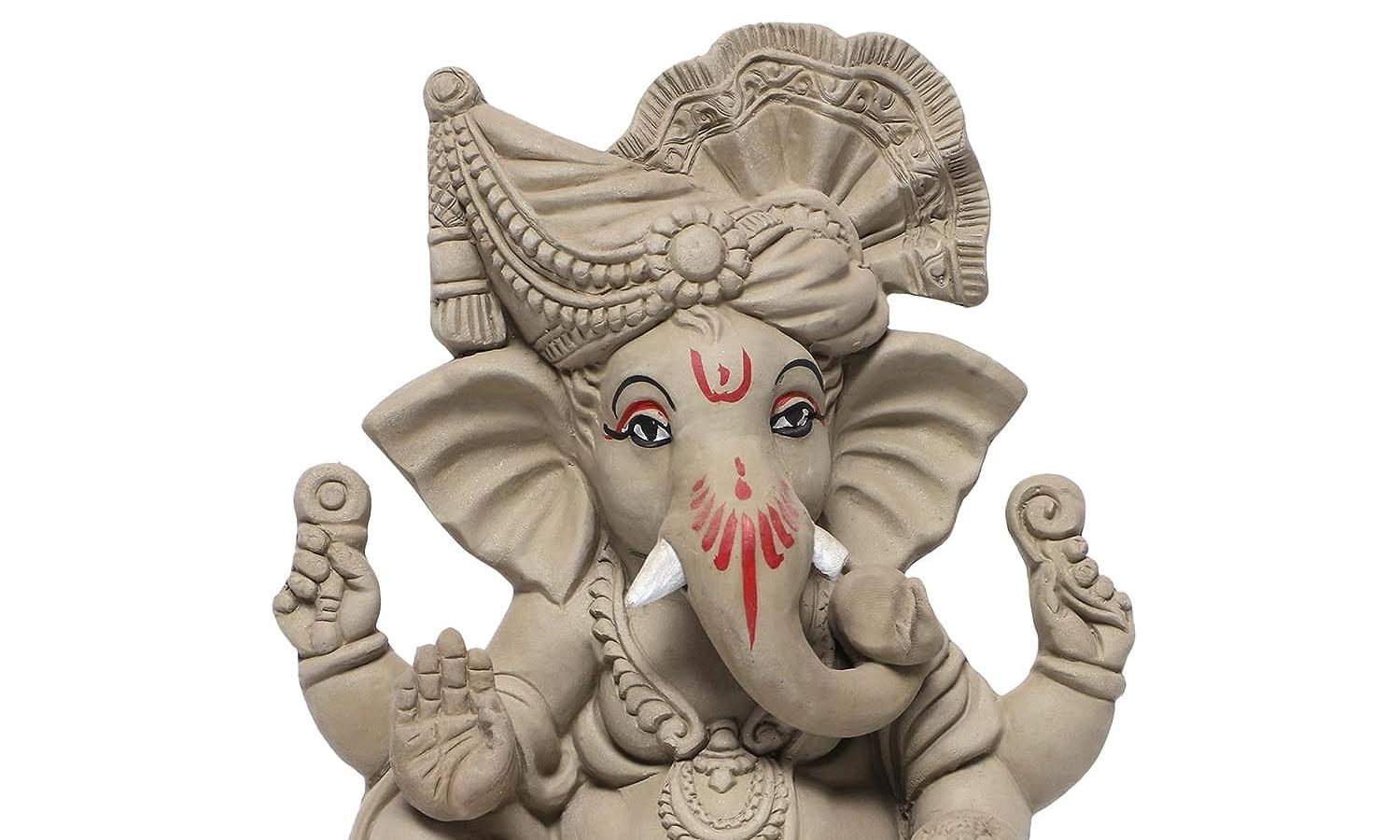
Gadilanka village has made festival idols for nearly 100 years.
In the past, about 70 to 80 families worked in this craft.
Now, fewer than 10 families continue making idols during the festival season.
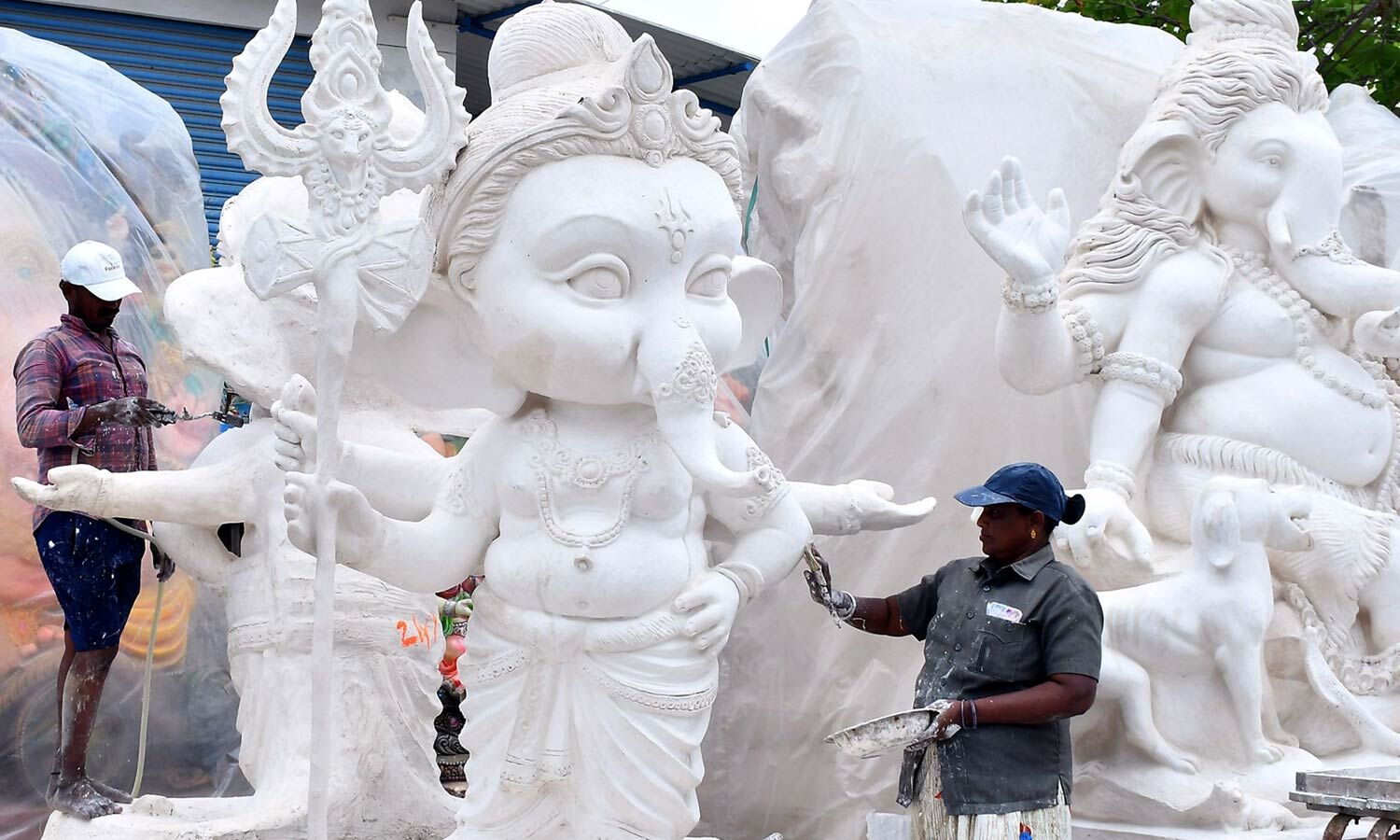
They make idols from clay, plaster of Paris and cement.
The materials have become more expensive, but the selling prices have not increased enough.
Many young people are choosing education or other jobs instead of learning the family craft.
One former artisan left idol-making for a job in Chennai because the income was not enough.
Some people hope that more demand for environmentally friendly clay idols can help the tradition survive.

Fewer than 10 Gadilanka families now make festival idols, down from about 70 to 80 previously.
Artisans produce clay, plaster-of-Paris and cement idols, including figures up to 10 feet tall.
Rising material costs and insufficient price increases have reduced the craft’s financial viability.
Younger family members are choosing education, other businesses and formal employment instead of idol-making.
Growing interest in eco-friendly clay idols may offer a chance to revive the village’s traditional craft.
- Who
- Families and artisans in Gadilanka, including Mahadasa Satya Ganeswara Rao, M Srinivasa Rao and Sarweswara Rao.
- What
- A century-old tradition of making festival idols is declining as fewer families continue the craft.
- Where
- Gadilanka village in I Polavaram mandal, BR Ambedkar Konaseema District, with idols also supplied to customers and organisers elsewhere.
- When
- The decline is particularly evident during the annual Ganesh Chaturthi festival season; the craft has existed for nearly a century.
- Why
- Rising raw-material costs, inadequate returns and limited interest among younger generations have made the occupation difficult to sustain.
Craft Under Pressure
Potential for Revival
Economic viability
Craft Under Pressure
Artisans say raw-material prices have risen considerably while idol prices have not increased proportionately, leaving inadequate returns.
Potential for Revival
Growing preference for eco-friendly clay idols could create new demand and improve opportunities for traditional craftsmen.
Future workforce
Craft Under Pressure
Younger members of artisan families are pursuing higher education, other businesses and formal employment rather than learning idol-making.
Potential for Revival
The craft could continue if renewed interest in clay idols encourages younger people and supports the remaining artisans.
Key facts
- Families involved in the past
- Approximately 70 to 80 families
- Families involved now
- Fewer than 10 families during the festival season
- Largest idols made
- Up to 10 feet tall
- Current price example
- A 5-foot Ganesh idol sells for Rs 13,000 to Rs 14,000
- Main materials
- Clay, plaster of Paris, cement, lime and processed waste-paper pulp
- Traditional soil collection
- Artisans collect and store soil from agricultural fields during summer
- Potential revival factor
- Growing awareness and preference for eco-friendly clay idols
Sources
Related news
Mayiladuthurai Artisans Prepare Eco-Friendly Ganesha Idols For 2026 Festival
Bapatla Family Preserves a 30-Year Ganesh Idol-Making Tradition
Youth Promotes Clay Ganesha Idols for Greener Celebrations

Clay Ganeshas Gain Momentum Ahead of Eco-Friendly Ganesh Chaturthi
Trendy Ganesh idols drive booming Nunna festival market

Nashik Ganesh Idols Gain Strong Demand Across Global Markets
GRT Jewellers Bets on Scale With Rs 1,034-Crore TBZ Buy

'Girlfriend' Hotel Killing in Assam Follows Suspected Jealousy

Udhayanidhi Calls Vijay a ‘Dummy, Uncouth’ Chief Minister
Chennai Fever And Dengue Cases Surge, Doctors Urge Caution

Gavaskar Criticises East Zone After Drawn Duleep Trophy Final