1 week ago
Trump Administration Eyes Major H-1B Cap Exemption Overhaul
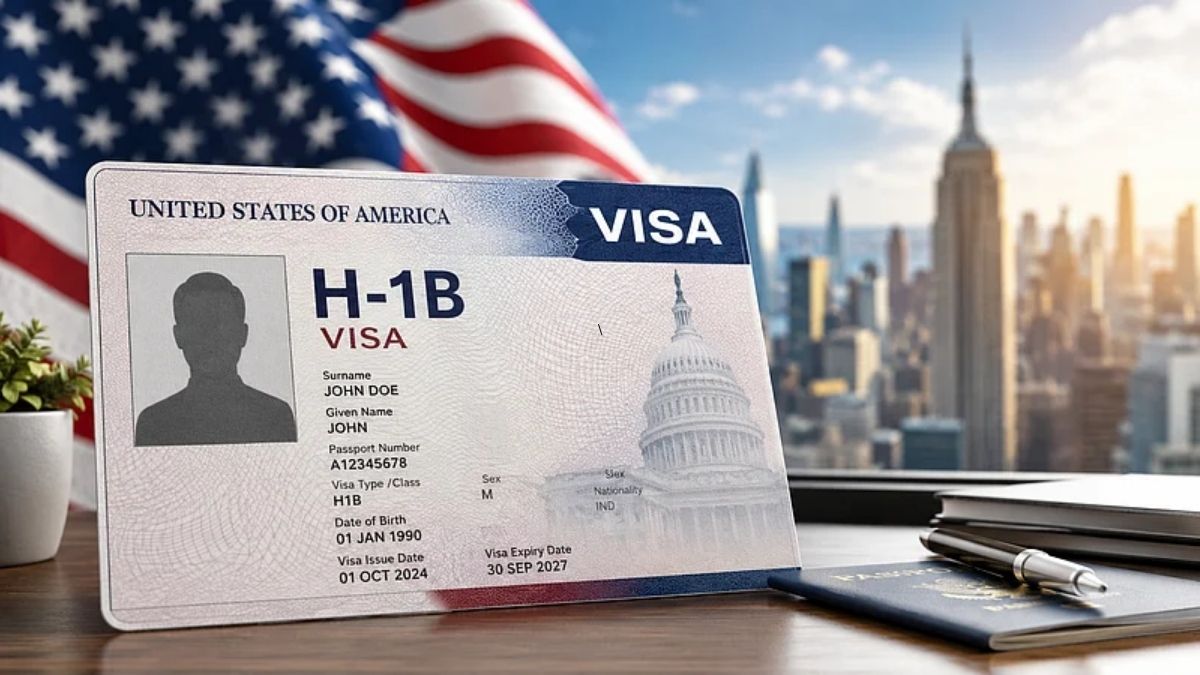
The H-1B visa lets some skilled workers from other countries work in the United States.
Each year, most H-1B visas are limited by a cap and awarded through a lottery.
Some universities, research groups, and related organizations do not have to use that lottery.
The Trump administration wants to change which employers qualify for those exemptions.
It also wants to examine employers accused of breaking visa rules and companies that place workers with other businesses.
The administration says the changes would protect American workers and their wages.
A separate proposal would charge employers $103,265 for many H-1B applications.
Neither proposal is final because both still require government review and, in the relevant process, public comments.

The Department of Homeland Security has sent a proposed H-1B reform plan to the White House for review.
The proposal could revise eligibility for employers exempt from the annual H-1B visa cap.
It would also increase scrutiny of rule-breaking employers and third-party worker placements.
A separate $103,265 fee for H-1B cap-subject petitions remains under review by the Office of Management and Budget.
The proposal must clear review before Federal Register publication and a 30- or 60-day public-comment period.
- Who
- The Department of Homeland Security, the Trump administration, employers, and H-1B visa applicants are involved.
- What
- DHS is proposing changes to H-1B cap-exemption eligibility, employer oversight, and third-party placements.
- Where
- The proposed changes concern the United States H-1B visa program and are being reviewed in Washington’s federal regulatory process.
- When
- The proposal advanced to White House review on Tuesday; the article does not specify the date.
- Why
- The administration says the changes would improve program integrity and protect American workers’ wages and working conditions.
Administration’s position
Legal and opposing concerns
Purpose of H-1B reform
Administration’s position
The administration says employment-based immigration should primarily supplement, rather than replace, American workers and should protect U.S. wages and working conditions.
Legal and opposing concerns
Critics of the administration’s approach point to the legal challenge to its earlier fee plan; a federal judge ruled that the president lacked authority to make such an immigration-policy change because Congress holds that power.
Proposed H-1B fee
Administration’s position
The Department of Homeland Security says the $103,265 fee would recover federal costs for adjudicating, vetting, and supporting lawful immigration programs.
Legal and opposing concerns
A previous Trump administration plan for a $100,000 fee was dismissed by U.S. courts and described as an unlawful tax; the newer fee remains under review.
Visa selection and employer access
Administration’s position
The administration has replaced the random H-1B lottery with a wage-weighted selection process and is considering tighter cap-exemption rules to favor higher-paid, higher-skilled workers.
Legal and opposing concerns
The article does not provide a detailed response from universities, employers, or worker advocates to the proposed cap-exemption changes.
Key facts
- Annual H-1B cap
- 85,000 visas, including 20,000 reserved for advanced degree holders.
- Proposed H-1B fee
- $103,265 for H-1B cap-subject petitions, including petitions eligible for the advanced-degree exemption.
- Estimated annual fee revenue
- Approximately $8.8 billion, based on a projected annual volume of 85,000 cap-subject visas.
- Current proposal status
- The H-1B reform regulation is at the Proposed Rule Stage and has advanced to White House review.
- Potential rule changes
- The proposal may revise cap-exemption eligibility, scrutinize noncompliant employers, and increase oversight of third-party placements.
- Public comments
- After Federal Register publication, the proposal would be open for comments for 30 or 60 days.
- Cap-exempt employers
- The listed categories include qualifying higher-education institutions, certain affiliated nonprofits, scientific or medical research nonprofits, and governmental research organizations.
Quotes
Zach Kahler
US Citizenship and Immigration Services spokesperson
“The proposed H‑1B fee is intended to recover the costs incurred across the federal government to adjudicate, vet, and support lawful immigration programs that otherwise must be funded by taxpayers,”
 financialexpress.com
“To that end, US Citizenship and Immigration Services is working to ensure that employment-based visa programs are used primarily to supplement, not supplant American workers,”
financialexpress.com
Sources
Related news
Trump administration plans H-1B visa reform targeting three loopholes

Trump Administration Proposes Permanent $103,265 H-1B Visa Fee
DHS Proposes $103,265 Additional Fee for Cap-Subject H-1B Visas

DHS Proposes $103,265 Fee for Cap-Subject H-1B Applications
Trump Administration Proposes $103,265 H-1B Fee After Setback
Trump Administration Proposes Permanent $103,265 H-1B Visa Fee
US reverses immigration rule; Advance Parole travel now triggers bars

Trump Administration's New Program Requires Immigrants to Post $250,000 Bond

Padilla Bill Aims to Ease Green Card Path for Residents
US Tightens Green Card Rules on Public Benefits