

1 month ago
Black vs White Sesame: Nutrition, Benefits, and Key Differences
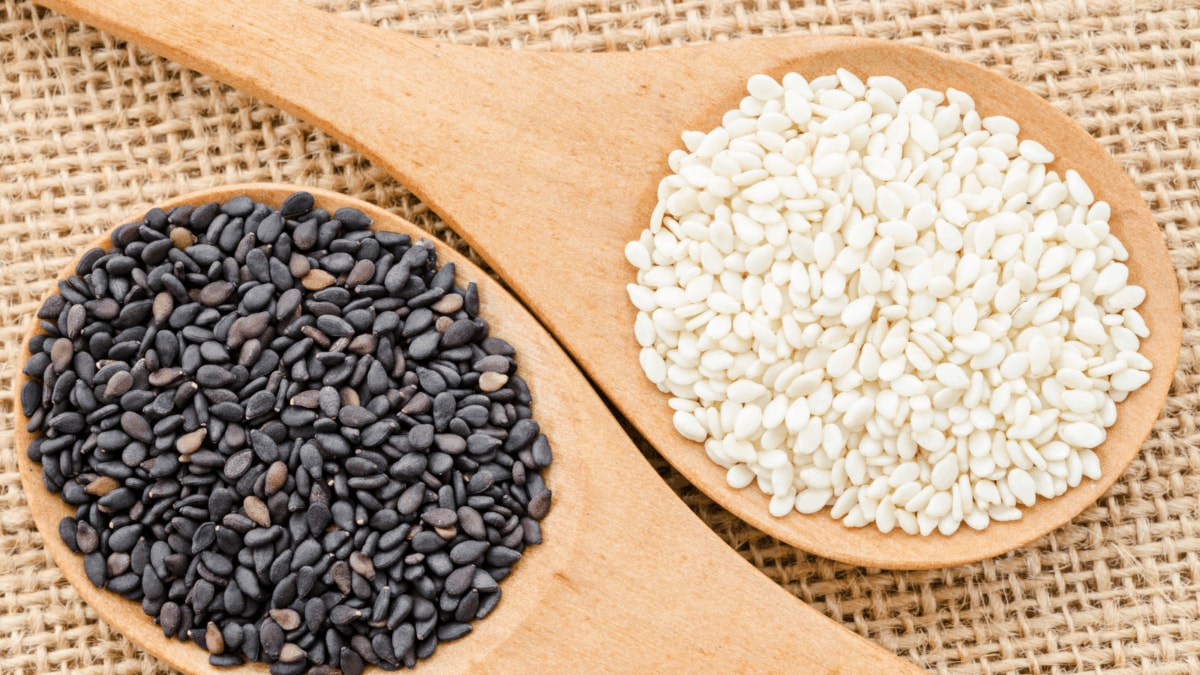
Sesame seeds come in two main types: black and white.
Both are very healthy and contain important nutrients like protein, healthy fats, and minerals.
Black sesame seeds keep their outer shell, which gives them more antioxidants, calcium, and iron.
They also have a stronger, nuttier taste.
White sesame seeds are milder and sweeter, making them great for desserts and baked goods.
You can add them to many foods like salads, smoothies, and traditional sweets.
Both types are good for you, so you can choose based on your taste and what you need from your diet.

Black sesame seeds retain their outer hull, providing more antioxidants, calcium, and iron.
White sesame seeds are milder and sweeter, ideal for desserts and baked goods.
Both types are rich in protein, healthy fats, fiber, and essential minerals.
Sesame seeds can be added to various dishes like salads, smoothies, and traditional sweets.
Consume sesame seeds in moderation due to their high calorie content and potential allergies.
- Who
- General public interested in nutrition and healthy eating.
- What
- Comparison of black and white sesame seeds in terms of nutrition, benefits, and culinary uses.
- Where
- Global, as sesame seeds are a part of traditional diets worldwide.
- When
- Published on July 21, 2026.
- Why
- To inform readers about the nutritional differences and culinary uses of black and white sesame seeds.
Black Sesame Seeds
White Sesame Seeds
Nutritional Content
Black Sesame Seeds
Black sesame seeds contain slightly higher amounts of antioxidants, calcium, and iron due to their outer hull.
White Sesame Seeds
White sesame seeds are also highly nutritious, providing protein, healthy fats, fiber, and essential minerals.
Flavor and Use
Black Sesame Seeds
Black sesame seeds have a richer, nuttier flavor, making them ideal for savory dishes.
White Sesame Seeds
White sesame seeds have a milder, slightly sweeter taste, making them popular in desserts and baked goods.
Key facts
- Nutritional Benefits
- Both black and white sesame seeds are rich in healthy fats, protein, fiber, calcium, iron, magnesium, and other essential minerals.
- Processing Difference
- Black sesame seeds retain their outer hull, while white sesame seeds may have their outer hull removed.
- Flavor Profile
- Black sesame seeds have a richer, nuttier flavor; white sesame seeds are milder and slightly sweeter.
- Versatility
- Both types can be used in a variety of dishes, including salads, chutneys, smoothies, baked goods, and traditional sweets.
- Precautions
- Sesame seeds are calorie-dense and should be consumed in moderation; avoid if allergic.
Sources
Related news

Pentagon UFO Files: Pilots Report Unexplained Night Sky Lights

Will Pucovski Sues Brighton Grammar Over Concussion Handling

AI Agents Allegedly Breached Hugging Face and Tried Cover-Up

Bishworjit Konthoujam Ends Vaibhav Sooryavanshi’s Duleep Trophy Debut
