1 hr ago
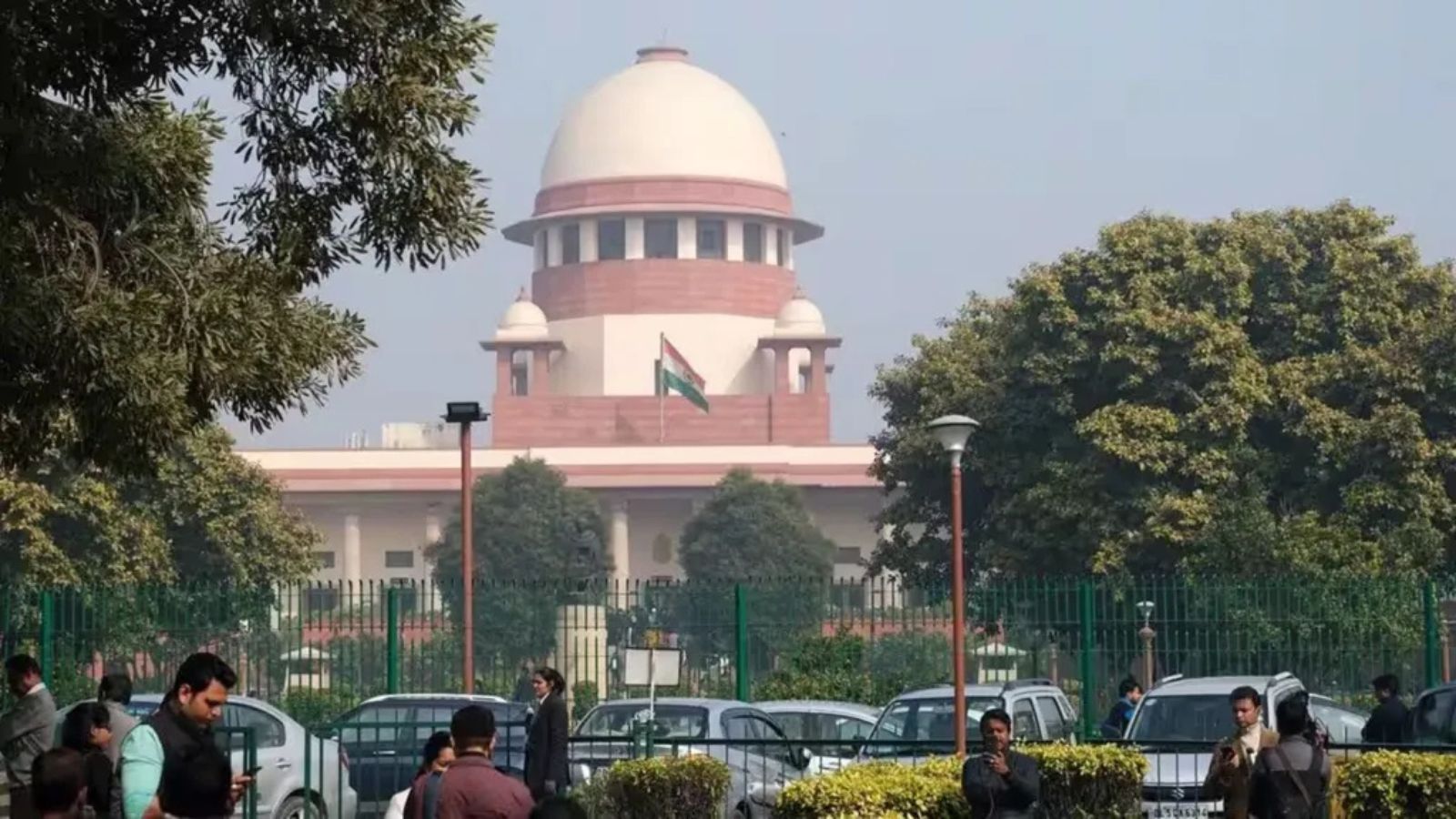
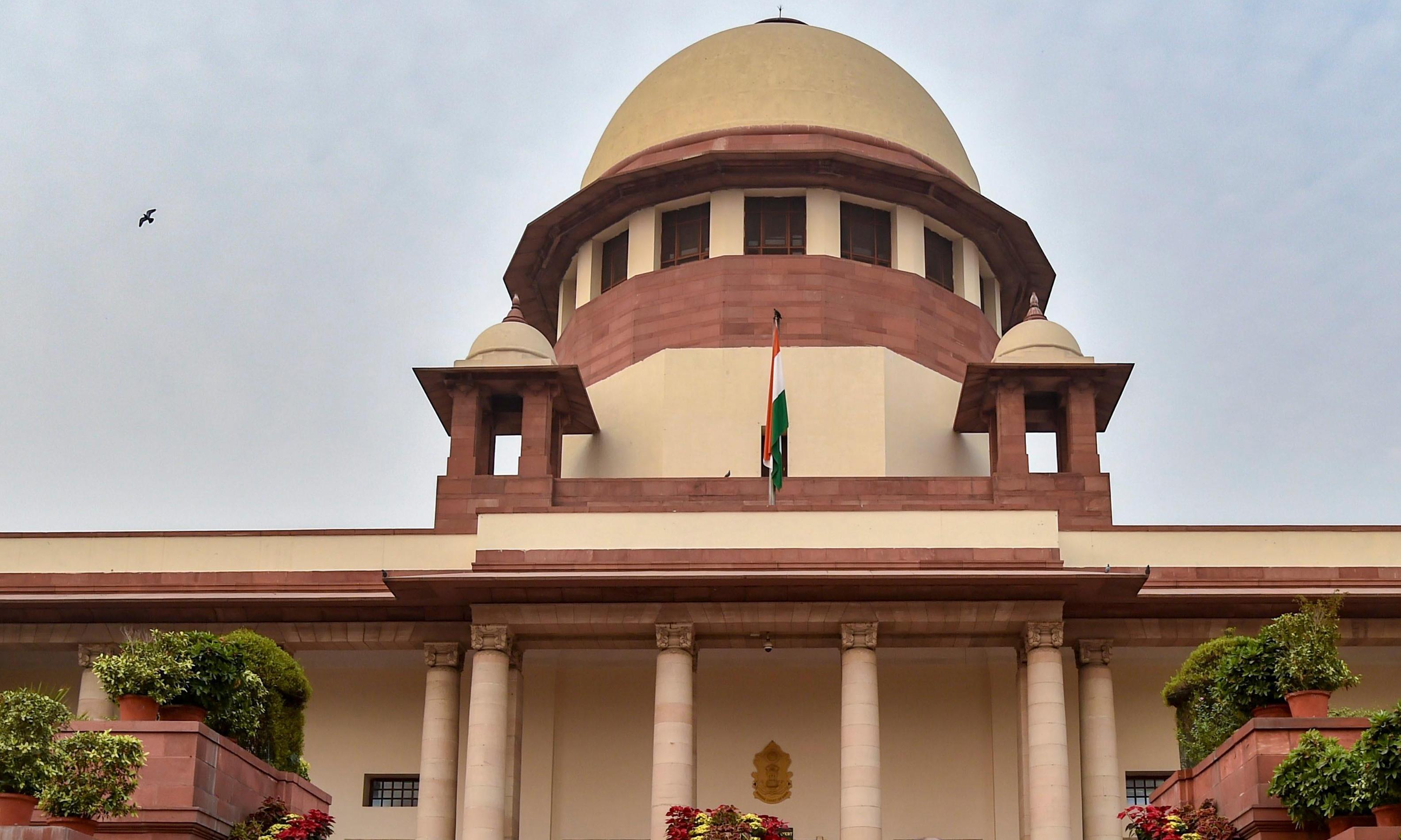
Supreme Court Orders Stronger Delhi Safety Measures

The Supreme Court has told Delhi authorities to do more to keep people safe.
Police should patrol more often near schools and colleges and in places where people may be at risk.
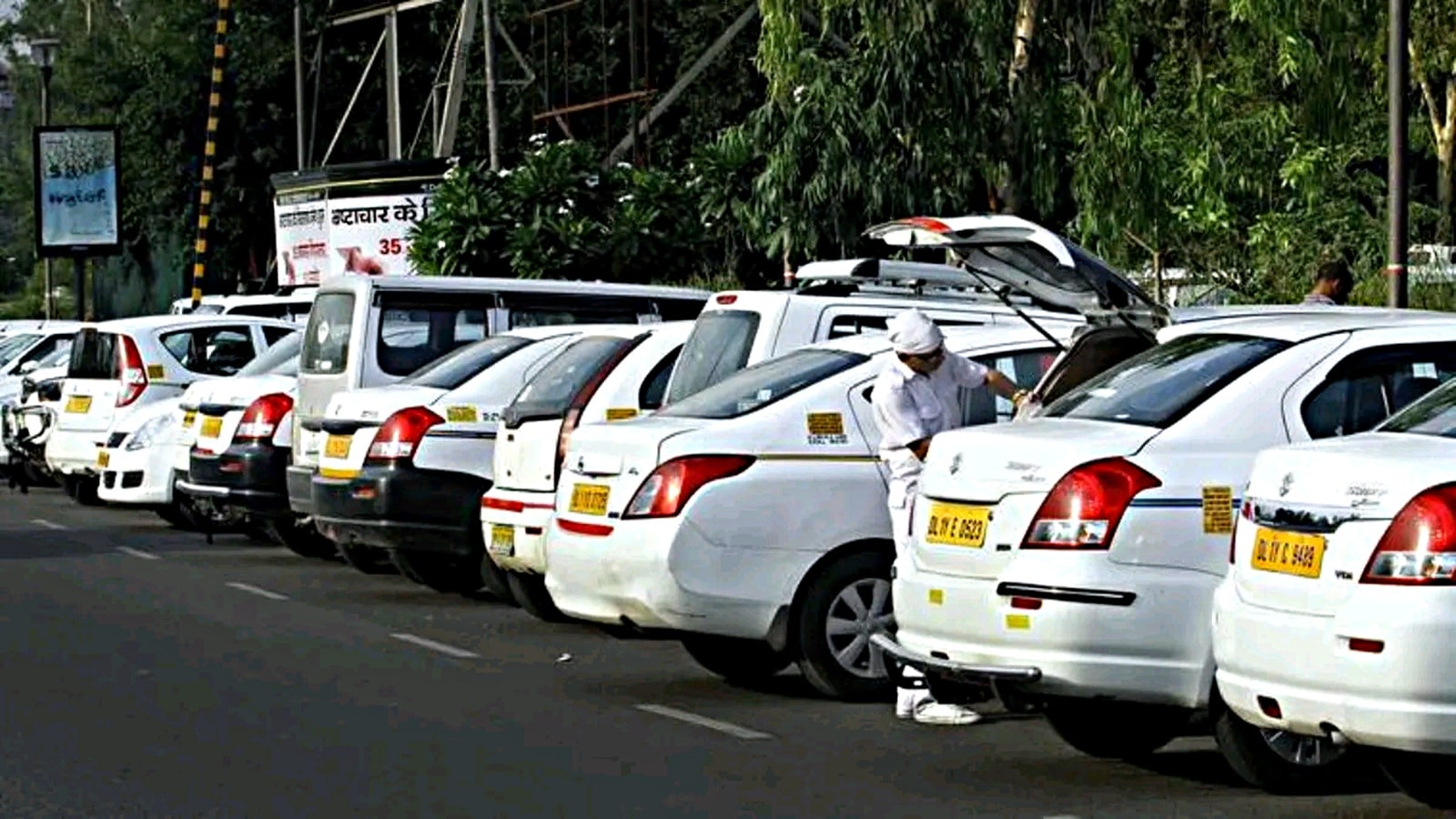
Drivers working in buses, taxis and app-based cabs must be checked and identified clearly.
Vehicle emergency buttons and tracking devices must work, and passengers should know how to use them.
The court also wants to know whether existing police teams and programmes are helping girls report harassment safely.
It said safety checks must follow the law and must not become unfair or excessive.
Delhi officials have to report what they have done and what remains unfinished by November 6.
The court will hear the case again on November 16.

The Supreme Court directed Delhi Police to increase patrolling, especially near schools, colleges, universities and coaching centres.
Authorities must strictly verify public-transport and app-based cab drivers and assistants, and display their names and photographs.
Vehicle tracking and SOS systems must be checked regularly, with clear information for passengers about how alerts are handled.
The court sought reports on Shishtachar Squads, Operation Nirbheek and the Nazuk scheme, including safeguards for complainants.
Delhi officials must submit district-wise compliance reports by November 6; the matter is scheduled for further hearing on November 16.
- Who
- The Supreme Court, Delhi Police, the Delhi government and other authorities responsible for transport and public safety.
- What
- The court ordered stronger patrolling, driver verification, checks of tracking and SOS systems, and reports on existing safety programmes.
- Where
- Delhi, with the case concerning safety in Delhi-NCR.
- When
- The directions were issued on Thursday; compliance reports are due November 6, and the next hearing is November 16.
- Why
- To identify and address weaknesses in crime prevention and emergency response after recent rape incidents in Delhi-NCR.
Preventive Safety Measures
Limits on Police Intervention
Stronger preventive policing
Preventive Safety Measures
The court directed authorities to improve patrolling, verify transport workers, maintain functioning safety systems and address physical conditions that can create blind spots.
Limits on Police Intervention
The court said measures must work in practice rather than remain paperwork, and cautioned that preventive policing cannot justify arbitrary or excessive action.
Key facts
- Bench
- Justices JB Pardiwala and K Vinod Chandran
- Patrolling priority
- Schools, colleges, universities, coaching centres and other vulnerable areas
- Transport covered
- Government and private buses, taxis, autorickshaws and app-based cab services
- App-based services named
- Ola, Uber and Rapido
- Compliance deadline
- November 6
- Next hearing
- November 16
- Reports requested
- Weekly Shishtachar Squad reports for the previous three months, plus status reports on Operation Nirbheek and the Nazuk scheme
Sources
Related news
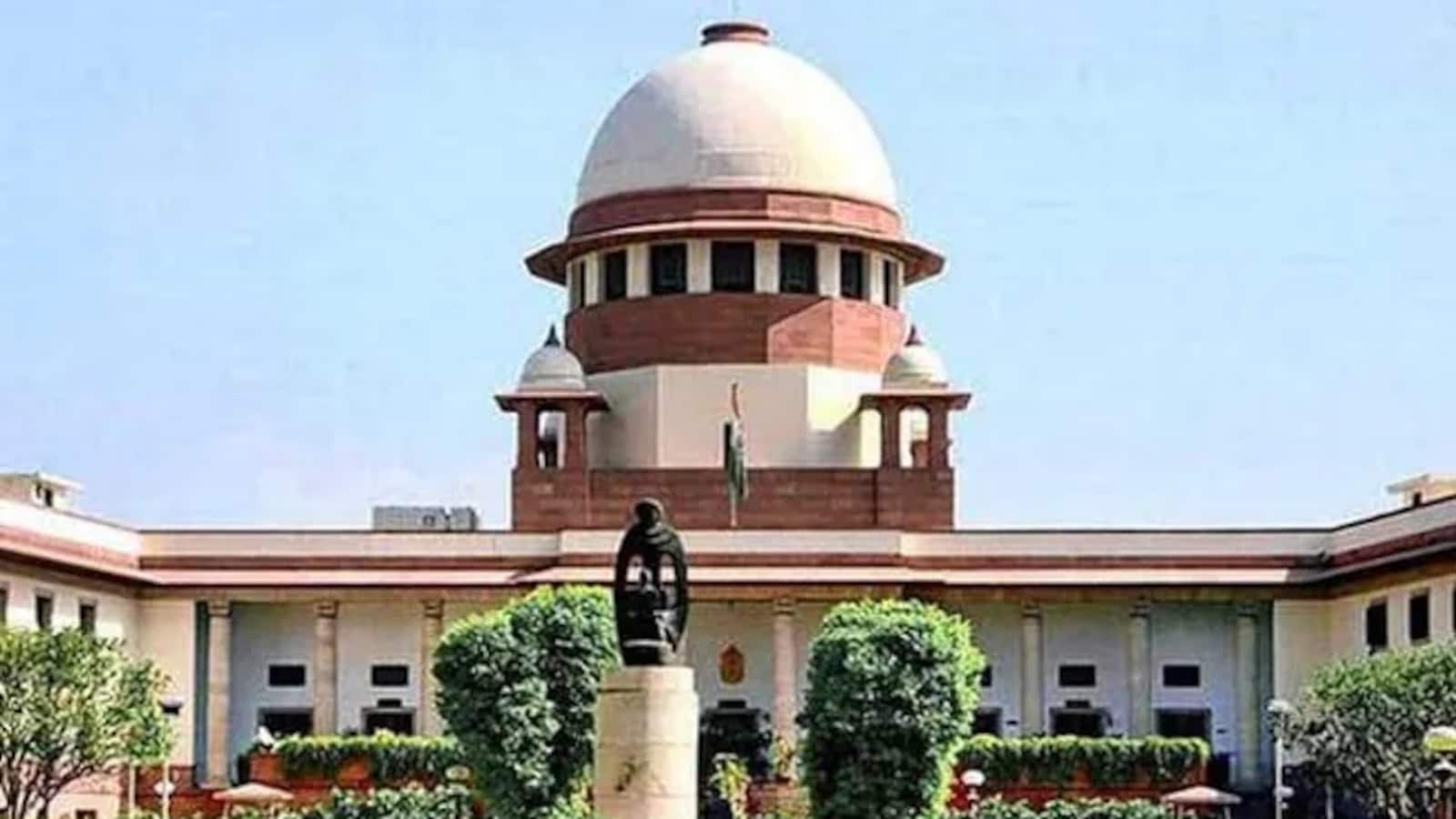
Supreme Court Urges Delhi Police to Strengthen Women’s Safety Measures
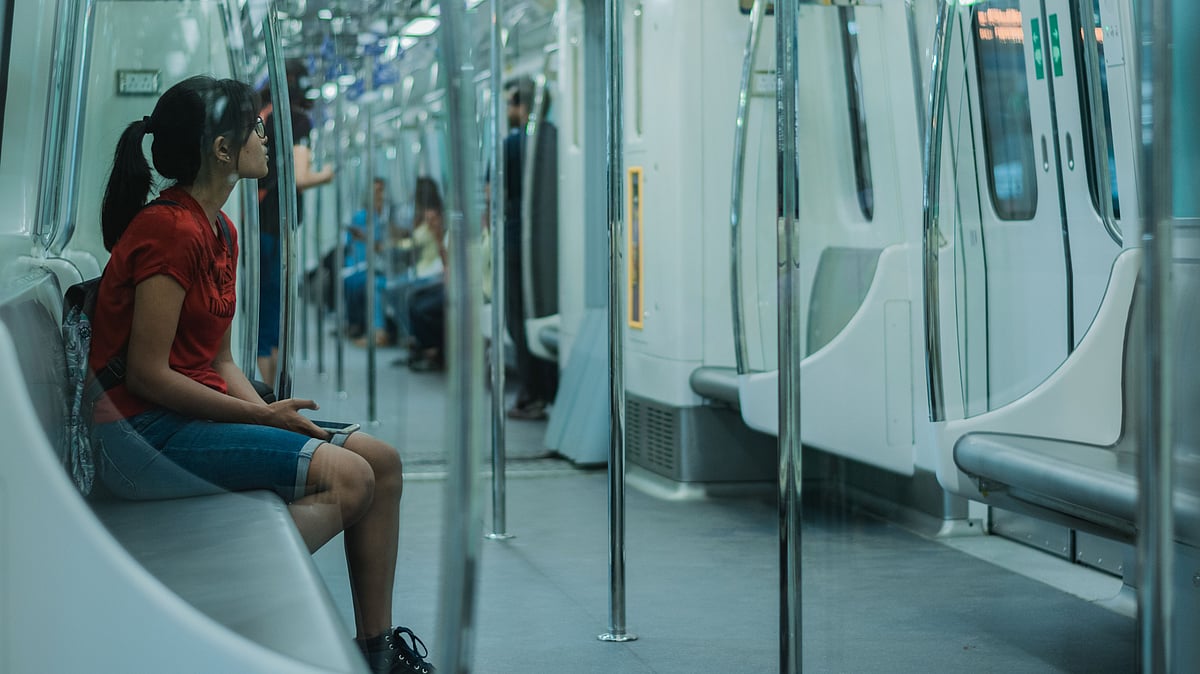
Supreme Court Urges Prevention to Improve Women’s Safety in Delhi
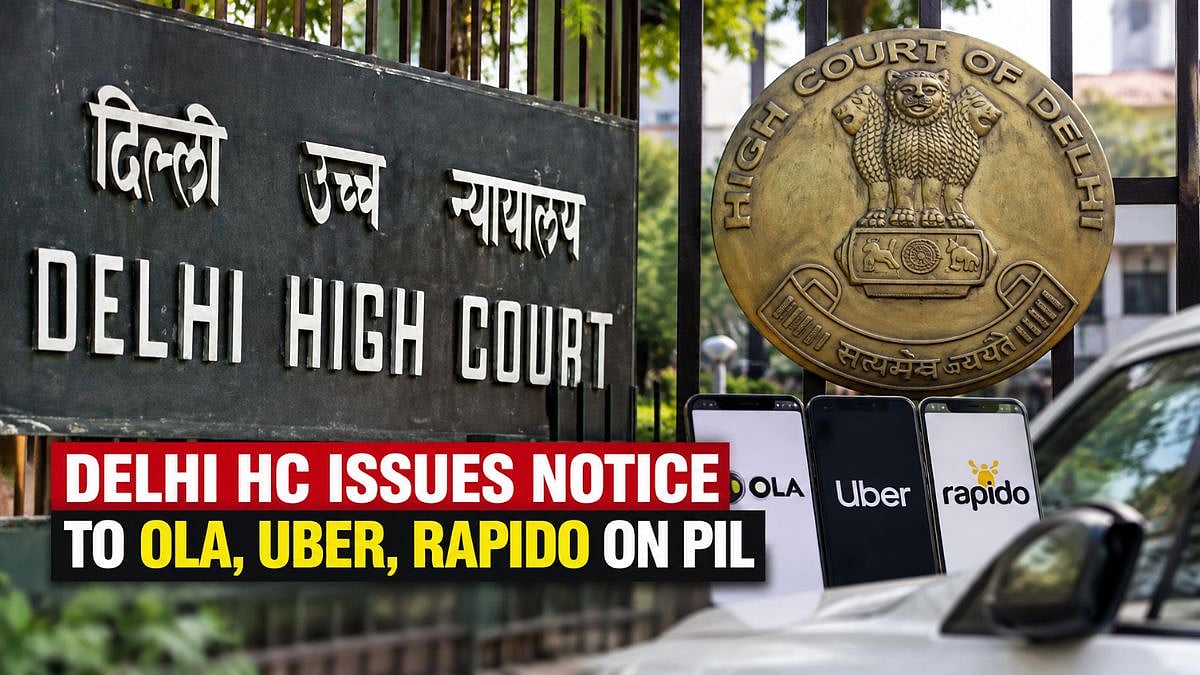
Delhi High Court Issues Notices On Ride-Hailing Women’s Safety Measures
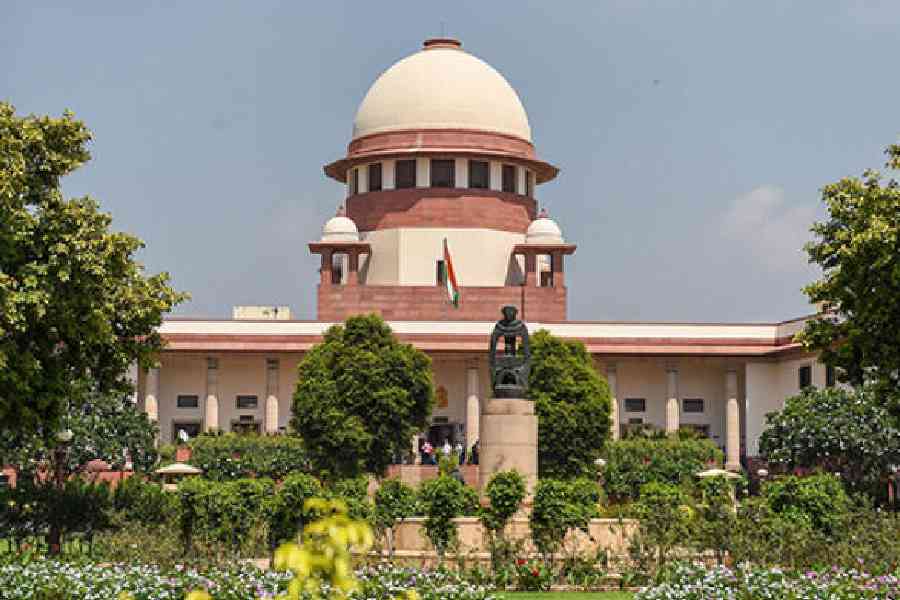
Supreme Court Orders Delhi Police to Map Vulnerable Areas
Supreme Court Urges Delhi Police to Prevent Crimes Against Women
Supreme Court Seeks Delhi-NCR Safety Report After Sexual Offences
Bengaluru Rapido Passenger Says Rider Fled After Crash

Woman Found Hanging in Faridabad Home; Family Alleges Harassment
Maharashtra Gives Bike Taxi Firms Nine Months for Full EV Transition

GST Panel May Ease Rules for Small E-Commerce Sellers