3 weeks ago
Pilots' body warns OTC medicines may cause false-positive drug tests
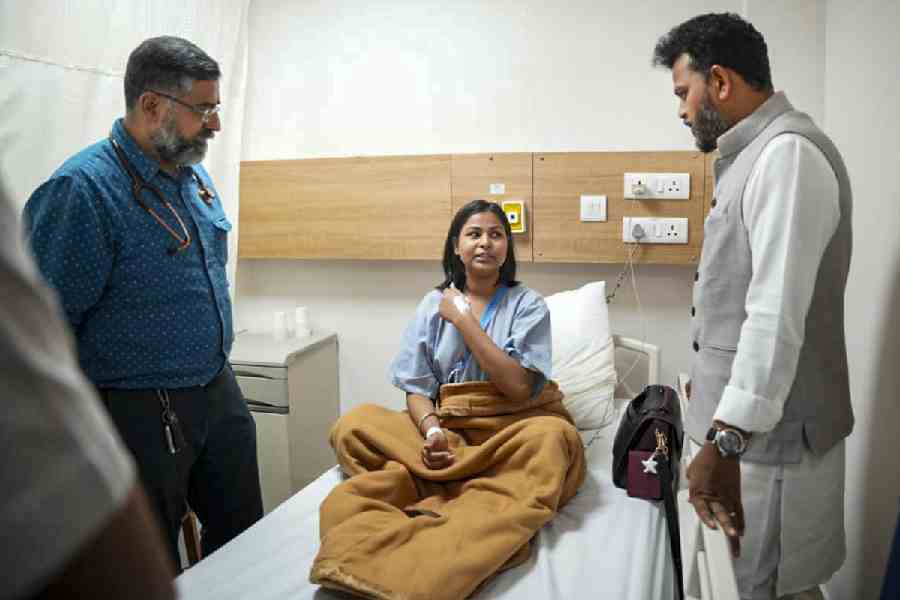
Pilots are tested to make sure they are not drunk or high when they fly planes.
Sometimes the test result can be wrong.
Taking a normal medicine from the store, like cough syrup or allergy pills, can make the test look positive even if the pilot did nothing wrong.
A group called Alpa India helps pilots, and it sent them a warning about this problem.
The warning tells pilots to ask a doctor before taking any new medicine.
It also tells pilots not to eat foods with lots of poppy seeds, like thandai, before flying.
The warning came after an Air India plane suddenly dropped 300 feet in the sky.
Both pilots of that plane were taken off flying duties after their tests were not clear.
The pilots are waiting for a second, more careful test to find out the truth.

Alpa India issued an advisory urging pilots to avoid self-medication, warning that common over-the-counter medicines could trigger false-positive drug screening results.
The advisory follows a government statement that the pilot-in-command of the Air India Phuket-Delhi flight needed further confirmatory drug analysis after screening.
Both pilots of the flight, which dropped 300 feet mid-air on August 4, were taken off the roster by aviation watchdog DGCA after non-negative screening results.
Alpa India advised pilots to consult doctors before taking new medicines, avoid poppy seed-heavy foods like bhang or thandai, and keep prescriptions and pharmacy receipts.
The incident left 13 passengers and four crew members injured and is being probed by the Aircraft Accident Investigation Bureau, with France's BEA joining the investigation.
- Who
- Alpa India (Airline Pilots' Association of India), the DGCA, and the two pilots of the Air India Phuket-Delhi flight
- What
- Alpa India issued an advisory warning that common OTC medicines may trigger false-positive drug screening results for pilots
- Where
- India, involving an Air India flight en route from Phuket to Delhi
- When
- Monday, following the August 4 mid-air incident and the civil aviation ministry's statement on Sunday
- Why
- Because the pilot-in-command's psychoactive substance screening suggested the need for further confirmatory analysis after the flight dropped 300 feet mid-air
Aviation safety advocates
Pilot protection advocates
Mandatory pilot psychoactive substance screening
Aviation safety advocates
Screening safeguards aviation safety by detecting drugs, medications or alcohol that can impair alertness, judgement or coordination, and the CAR's design ensures a first-time positive confirmatory result leads to counselling and rehabilitation, not automatic suspension.
Pilot protection advocates
Common OTC medicines and poppy seed-heavy foods can trigger non-negative results that are not proof of abuse, yet may lead to removal from duty pending confirmatory tests, cause stress and put reputations at risk; Alpa India urges DGCA to safeguard confidentiality and dignity and appeals to the media to avoid trial-by-media coverage.
Key facts
- Advisory Issuer
- Airline Pilots' Association of India (Alpa India)
- Airline
- Air India
- Flight Route
- Phuket-Delhi
- Aircraft
- A320
- Incident
- Sudden 300-foot drop mid-air on August 4
- Injuries
- 13 passengers and 4 crew members
- Regulator
- DGCA took both pilots off the roster
- Probe Agencies
- Aircraft Accident Investigation Bureau and France's BEA
Quotes

Alpa India
Pilots’ grouping representing Indian airline pilots
“We emphasise: the CAR’s design ensures that a first‑time positive confirmatory result leads to counselling and rehabilitation, not automatic suspension.”
 telegraphindia.com
Sources
Related news

Pilot Body Urges DGCA Confidentiality, Warns on 'Non-Negative' Tests
Air India mandates drug screening for all pilots after Phuket flight
Air India pilots grounded after psychoactive substance test flagged
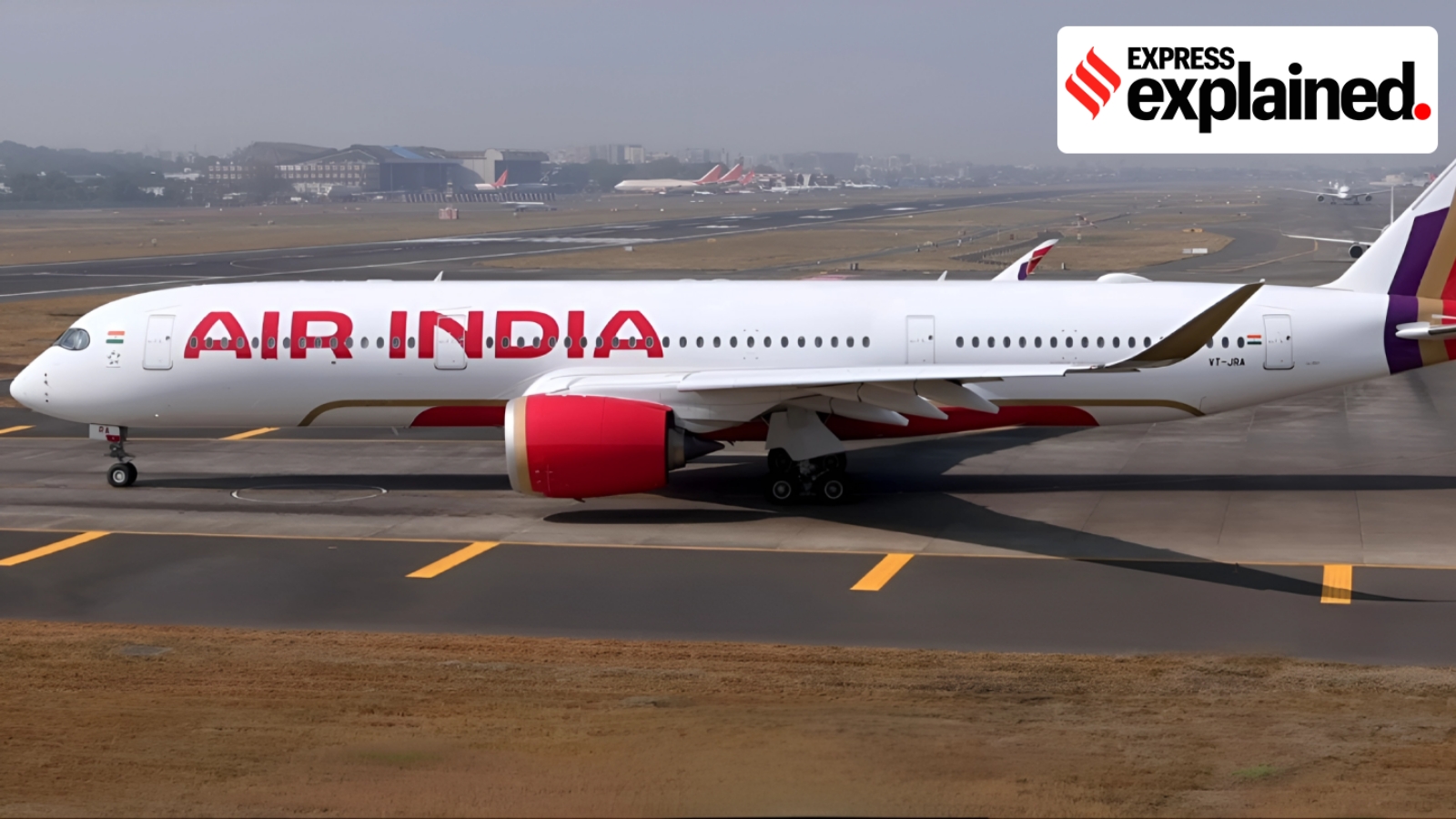
Air India pilot's preliminary drug test non-negative after altitude-loss incident

Air India orders mandatory drug tests for all pilots

Air India Pilot Tests Positive for Marijuana After Turbulence Probe

Pilots Warn Senior Attrition Could Challenge Air India Safety

Air India Express Passenger Arrested After Allegedly Hiding Drugs

New Phuket Resort Offers Luxury Escape From Crowds

India Considers Year-Round Drug Tests for Commercial Pilots

Phuket Shopkeeper Confronts Israeli Tourists, Chants ‘Free Palestine’