

3 weeks ago
Air India pilot's preliminary drug test non-negative after altitude-loss incident
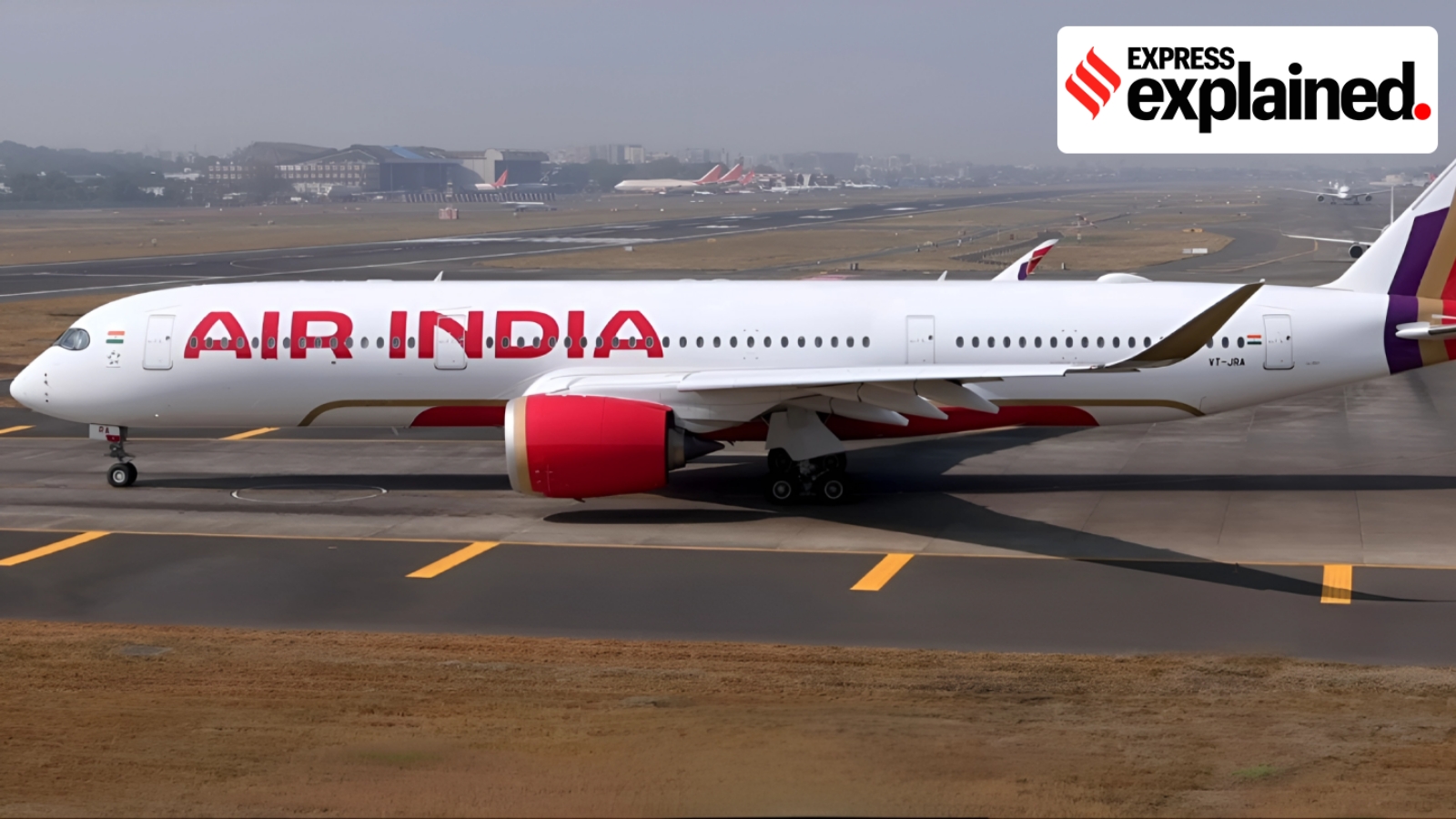
A plane was flying from Phuket to Delhi when it suddenly dropped in the air.
The plane dropped down about 300 feet, which is like falling the height of a very tall building.
Seventeen people on the plane got hurt.
The pilot took a quick test to check for drugs.
The test did not clearly say 'no' - it said 'maybe not negative'.
Because of that, the pilot was asked to stop flying for now.
A more careful second test is being done to find out the truth.
Sometimes normal medicines, like cold or cough medicine, can make the first test say 'maybe'.
Investigators are also checking if the plane itself had a problem with its systems.
If the careful test shows drug use, the pilot could be sent for help, suspended, or lose the license to fly.

The pilot-in-command of the Air India Phuket-Delhi flight returned a 'non-negative' preliminary drug screening result, with confirmatory test results awaited.
The August 4 incident involved a sudden altitude loss of about 300 feet that injured 17 passengers and cabin crew members.
The incident was initially attributed to severe turbulence, but sources now suggest the Airbus A320 faced snags with its hydraulic and control systems before the incident.
The Aircraft Accident Investigation Bureau (AAIB) is investigating the incident, which the non-negative drug test has added another dimension to.
Under DGCA rules, a non-negative screening leads to immediate removal from flying duty; confirmed drug use can result in rehabilitation, licence suspension, or cancellation.
- Who
- The pilot-in-command of the Air India Phuket-Delhi flight, with the incident being investigated by the Aircraft Accident Investigation Bureau (AAIB).
- What
- A sudden altitude-loss incident of about 300 feet that injured 17 people, with the pilot's preliminary drug screening returning 'non-negative'.
- Where
- On an Air India flight operating an Airbus A320 from Phuket to Delhi.
- When
- The flight incident occurred on August 4; the Ministry of Civil Aviation announced the preliminary drug screening result on Sunday.
- Why
- The incident was initially attributed to severe turbulence, but sources now suggest hydraulic and control system snags; the non-negative drug test has added another dimension to the probe.
Initial Assessment
Emerging Reports
Cause of the incident
Initial Assessment
The incident was initially attributed to severe turbulence.
Emerging Reports
Sources now suggest the Airbus A320 faced snags with its hydraulic and control systems just before the incident.
Pilot drug testing policy
Initial Assessment
Strict testing and immediate stand-down rules are necessary because psychoactive substances cause behavioural and cognitive changes that threaten aviation safety.
Emerging Reports
ALPA India warns that common over-the-counter medications in India can trigger non-negative screenings, causing unnecessary removal from duty, stress, and reputational risk for pilots.
Key facts
- Flight
- Air India Phuket-Delhi, Airbus A320
- Incident date
- August 4
- Altitude loss
- About 300 feet
- Injuries
- 17 passengers and cabin crew members
- Preliminary drug test
- Non-negative; confirmatory result awaited
- Investigating body
- Aircraft Accident Investigation Bureau (AAIB)
- Regulator
- Directorate General of Civil Aviation (DGCA)
- First-offence consequence
- Mandatory rehabilitation; repeat offences lead to 3-year licence suspension or cancellation
Sources
Related news

Air India Pilot Not Drug-Tested Before Flight; Rules Explained
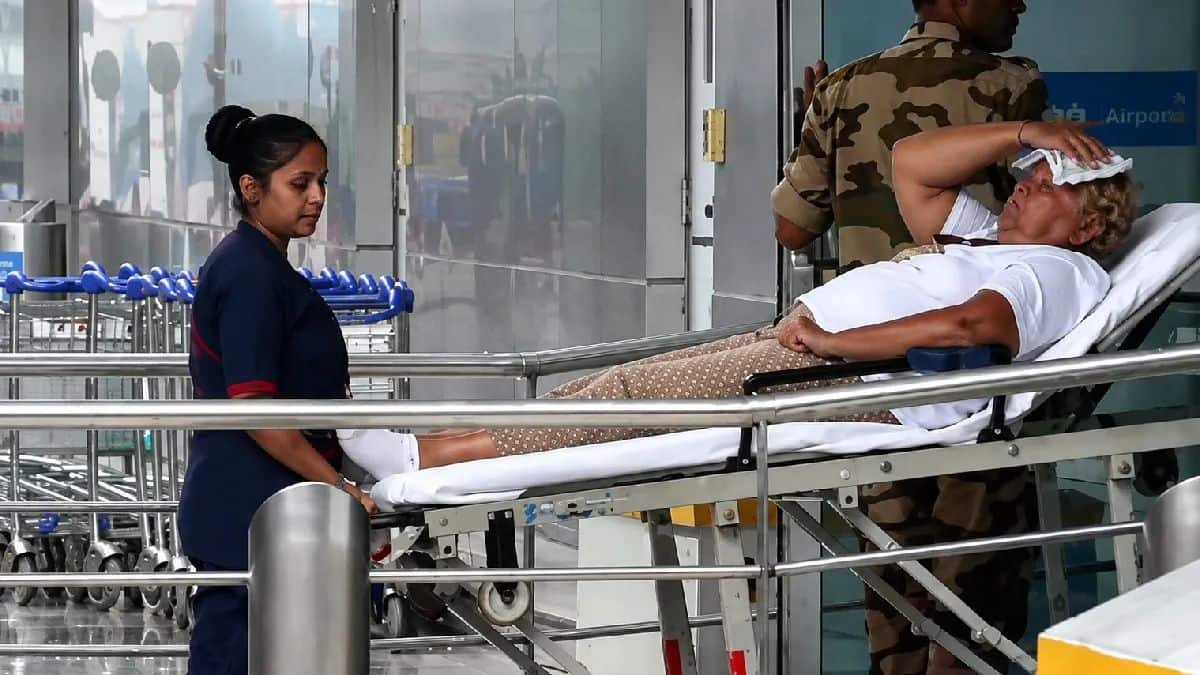
Air India Pilot Licence At Risk After Marijuana Dope Test
Air India pilot tests positive for marijuana after Phuket-Delhi plunge

Pilot Body Urges DGCA Confidentiality, Warns on 'Non-Negative' Tests

Air India pilot tests positive for marijuana after Phuket-Delhi flight
India Weighs Annual Drug Testing for All Pilots After Incident

Balurghat Airport Set to Begin Operations Within One Year

Aviation Ministry Plans Automated Airport Building Clearance System
Maharashtra Offers Airline Aid for Sindhudurg-Navi Mumbai Flights

Ahmedabad Airport Launches Hub-and-Spoke Model for Smoother International Travel

Aviation Ministry Orders Airline Audits Ahead Of FAA Assessment
