4 hrs ago
ERONET and ECINet Fuel Debate Over Voter Roll Control

ERONET is a computer system used to manage India’s voter lists.
It helps officials process applications to become voters, change addresses, correct details or remove records.
ECINet is a newer website platform that brings together more than 40 election services.
The voter-list tools from ERONET are now part of ECINet.
The Election Commission says the computer system only helps officials and does not make final decisions by itself.
Officials must examine possible problems, called logical discrepancies, before deciding what to do.
Some election commissioners have questioned whether the system gives state officials enough control.
In Goa, officials reportedly approved 97 voters but could not easily restore their names through the software.

ERONET is the Election Commission’s centralised system for processing voter registration, migration, correction and deletion applications.
ECINet, launched on January 22, 2026, combines more than 40 election-related applications and websites, including ERONET’s electoral-roll functions.
The Election Commission says ERONET supports Electoral Registration Officers but does not independently decide who is added to or removed from electoral rolls.
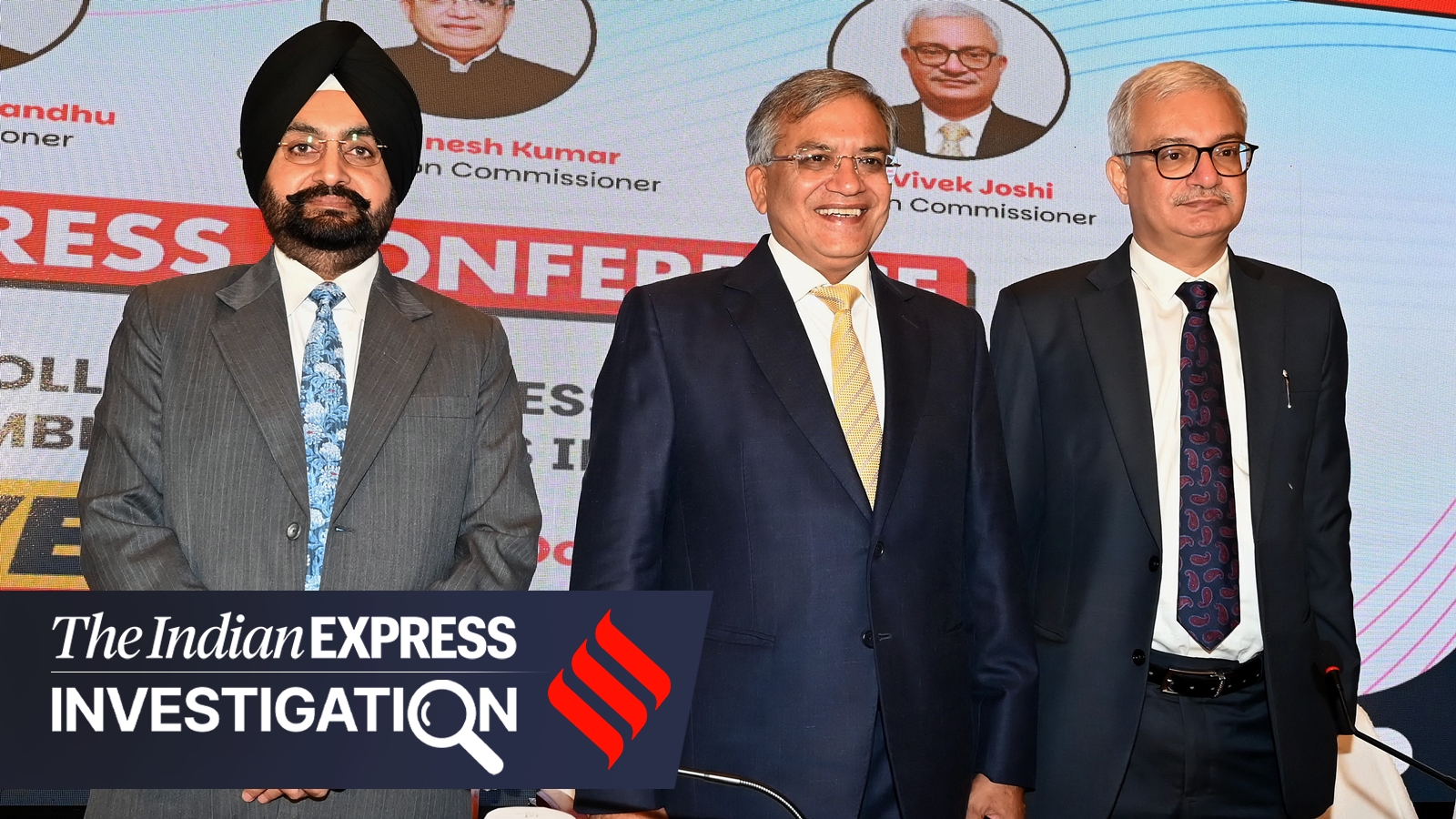
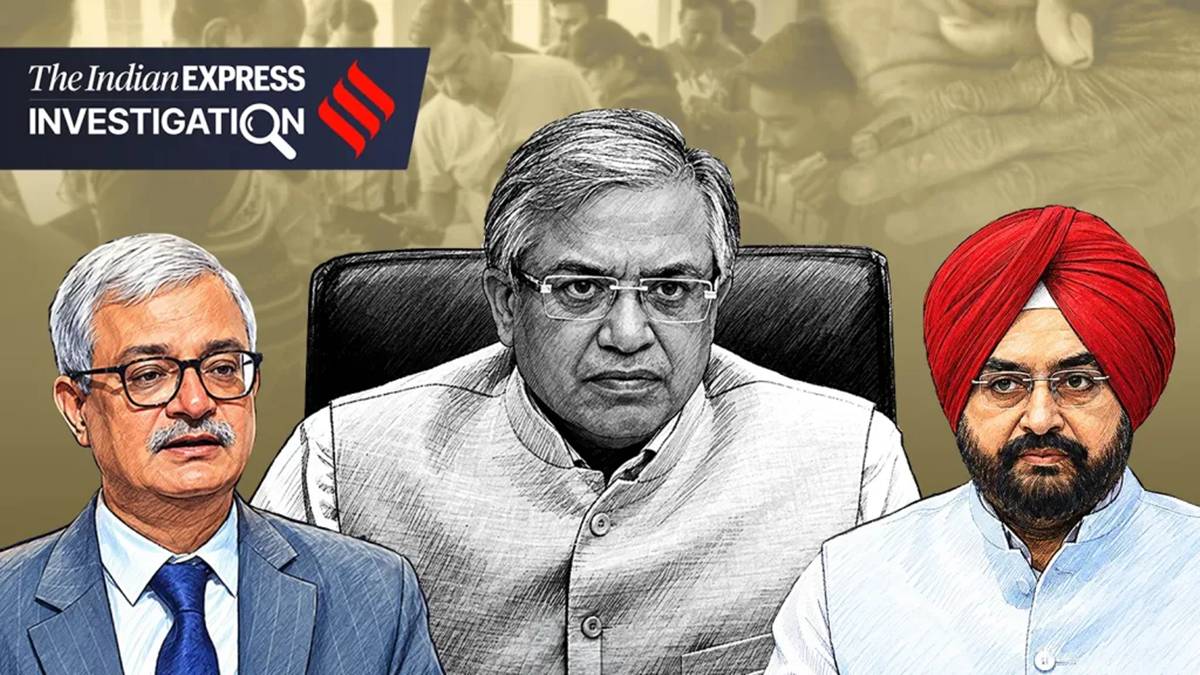
Election Commissioners Sukhbir Singh Sandhu and Vivek Joshi reportedly raised concerns about centralisation and state officials’ control over electoral-roll databases.
A Goa case highlighted concerns after officials found 97 voters eligible for inclusion but reportedly lacked a software option to restore their names.
- Who
- The Election Commission of India, Electoral Registration Officers, and Election Commissioners Sukhbir Singh Sandhu and Vivek Joshi are involved in the issue.
- What
- The centralisation of electoral-roll management through ERONET and ECINet has prompted questions about database control and officials’ ability to reverse decisions.
- Where
- The issue concerns India’s electoral system, with a cited example from Goa.
- When
- The concerns were reported on September 23; ECINet was launched on January 22, 2026.
- Why
- Questions were raised about the extent of centralisation and whether state election officials have sufficient control over the systems.
Centralisation Concerns
Election Commission’s System Description
Control over electoral-roll decisions
Centralisation Concerns
Concerns attributed to Election Commissioners Sukhbir Singh Sandhu and Vivek Joshi focus on the gradual centralisation of the electoral-roll database and the control available to state officials.
Election Commission’s System Description
The Election Commission describes ERONET as a decision-support system for Electoral Registration Officers, who remain responsible for statutory decisions.
Reversing voter-list actions
Centralisation Concerns
The Goa example raised concerns because officials reportedly could not use the software to reverse an earlier action and restore 97 voters’ names after finding them eligible.
Election Commission’s System Description
The system is described as flagging possible problems for further examination; a flagged record is not automatically invalid and may require document review or field verification.
Key facts
- ERONET
- A centralised form-processing and electoral-roll management system used for registration, migration, correction and deletion applications.
- ECINet
- A platform launched on January 22, 2026, bringing together more than 40 Election Commission applications and websites.
- Earlier systems
- Before ERONET, states used 36 separate systems, including spreadsheets and state-specific software.
- Final authority
- The Electoral Registration Officer is the statutory authority responsible for preparing and revising an assembly constituency’s electoral roll.
- Goa case
- Officials reportedly found 97 voters eligible for inclusion after reviewing cases involving logical discrepancies.
- Logical discrepancies
- Apparent inconsistencies in voter records, such as improbable age differences or name mismatches between old and current rolls.
Sources
Related news
Election Commissioners Flag Centralized Control of Voter Software

Telangana Poll Chief Among 93 Lakh Voters Served Notices

Election Commissioners Raise 14 Formal Objections Over SIR
Election Commission Rift Raises Questions Over Electoral Safeguards
Election Commissioners Raise 14 Objections Over SIR Decisions
Former CEC Calls Form 6 Changes Illegal Amid EC Rift
Election Commission defends unanimous decisions amid SIR dissent controversy
Delhi Poll Body Says SIR Notices Do Not Mean Deletion

Delhi CEO Assures SIR Notices Won’t Trigger Automatic Voter Deletions