1 hr ago
India-US Trade Talks Face Hardest Issues, Near-Term Breakthrough Unlikely

India and the United States are still trying to make a trade agreement.
They have made some progress, but important disagreements remain.
These include which goods can be sold in each country and how much India will buy from the United States.
India’s purchases of Russian oil are also part of the disagreement.
BMI, a research agency, says a quick agreement is unlikely.
It thinks the countries could eventually make a smaller, limited deal.
Talks may continue around a G20 meeting in Miami on December 14 and 15.
India’s finance minister said the talks had reached a point where further concessions were difficult.

BMI says a near-term breakthrough in India-US trade negotiations is unlikely.
The main unresolved issues include market access, agriculture, purchases of US goods, and India's Russian oil imports.
BMI expects the countries may eventually reach a narrow interim trade deal.
The negotiations began in March last year, with an interim deal initially targeted for fall 2025.
BMI identifies the December 14-15 G20 summit in Miami as a possible political anchor, but says a deal by then is unlikely.
- Who
- India and the United States, with BMI assessing the negotiations and Finance Minister Nirmala Sitharaman commenting on their progress.
- What
- The countries remain divided in negotiations over an interim trade agreement, and BMI says a near-term breakthrough is unlikely.
- Where
- Between India and the United States; the referenced G20 summit is in Miami.
- When
- Negotiations began in March last year; BMI points to the December 14-15 G20 summit as a possible next political anchor.
- Why
- Disagreements remain over market access, agriculture, purchases of US goods, and India's imports of Russian oil.
India's stated position
United States' stated position
Market access and concessions
India's stated position
India is seeking a tariff advantage in the US over competing economies and Finance Minister Nirmala Sitharaman said further concessions had become difficult.
United States' stated position
The article identifies market access and agriculture as unresolved issues but does not specify the US position on them.
Trade commitments
India's stated position
India committed under the February joint statement to ramp up energy purchases from the US.
United States' stated position
The US committed under the February joint statement to cut reciprocal tariffs on India from 25% to 18%; the legal basis for that tariff was later struck down by the US Supreme Court.
Key facts
- Assessment
- BMI considers a near-term breakthrough unlikely.
- Possible outcome
- BMI expects a narrow interim trade deal may eventually be concluded.
- Key disagreements
- Market access, agriculture, purchases of US goods, and India's Russian oil imports.
- Negotiations began
- March last year.
- Initial target
- An interim deal by fall 2025.
- Earlier agreement
- A February agreement included a US commitment to cut reciprocal tariffs on India from 25% to 18%, and an Indian commitment to increase energy purchases from the US.
- Change to tariff basis
- The US Supreme Court struck down the legal basis for the reciprocal tariff, after which negotiations resumed on updated terms.
- Possible political anchor
- The December 14-15 G20 summit in Miami; BMI considers an agreement by then unlikely.
Quotes

BMI
A business research agency owned by FitchSolutions.
“We expect India and the US eventually to conclude a narrow interim trade deal, although the remaining differences make a near-term breakthrough unlikely”
 rediff.com
Sources
Related news
India-US Trade Talks Stall as Both Sides Hold Firm
India-US Trade Deal Nears Final Stretch, But Is Not Imminent
India-US Trade Talks Plateau Amid Disputes Over Tariffs
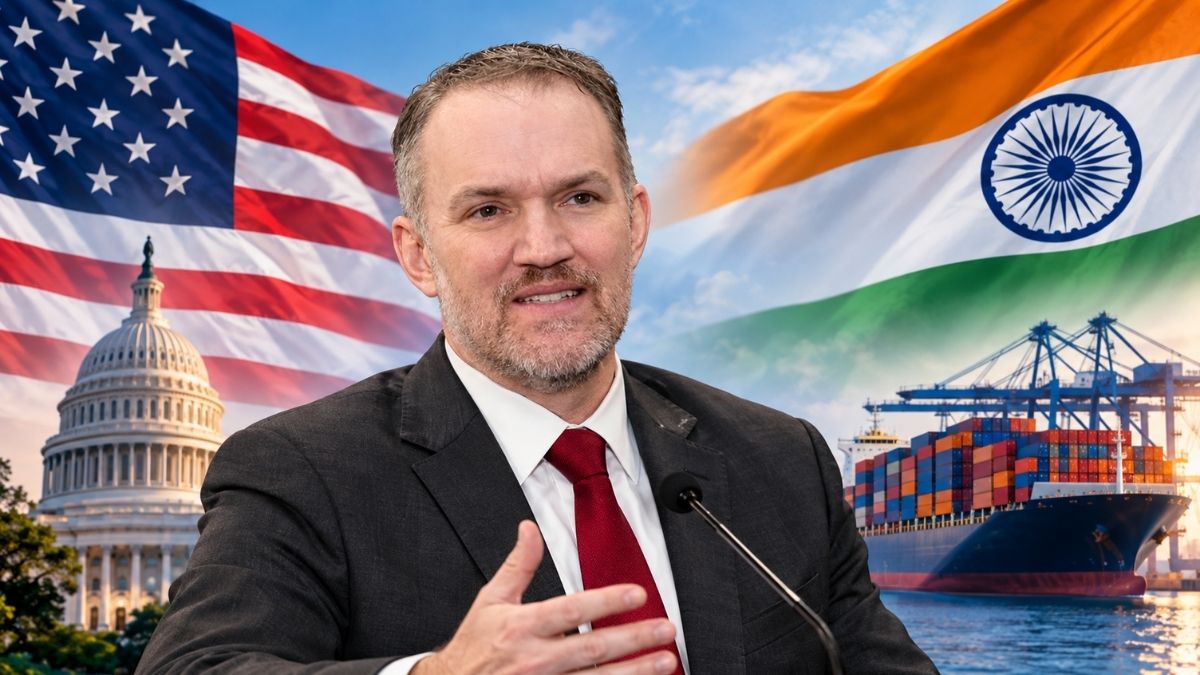
Indo-US Trade Deal Remains Distant Amid Tariff Uncertainty

India and US Push Interim Trade Deal Talks Forward
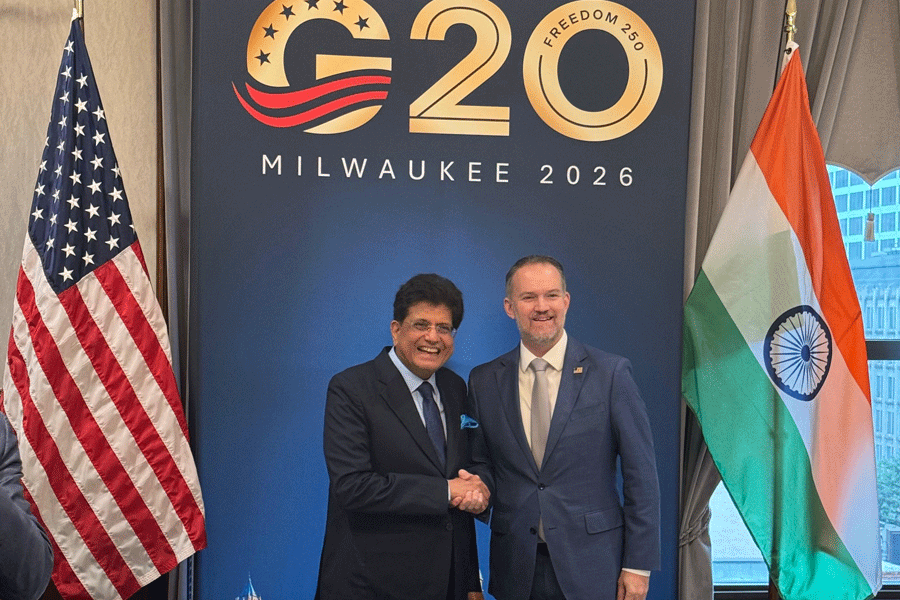
Goyal, Greer Advance India-United States Interim Trade Deal Talks
Rivera Gets 10 Years in Venezuela Lobbying Case

NTSB Says Amazon Cargo Pilots Lacked Wind Warning
Ken Griffin Pledges Record $3 Billion to Carnegie Mellon
Andrew Schulz Joins Michael B. Jordan in Miami Vice ’85