2 weeks ago
Jason Arday's death exposes toll of relentless media scrutiny
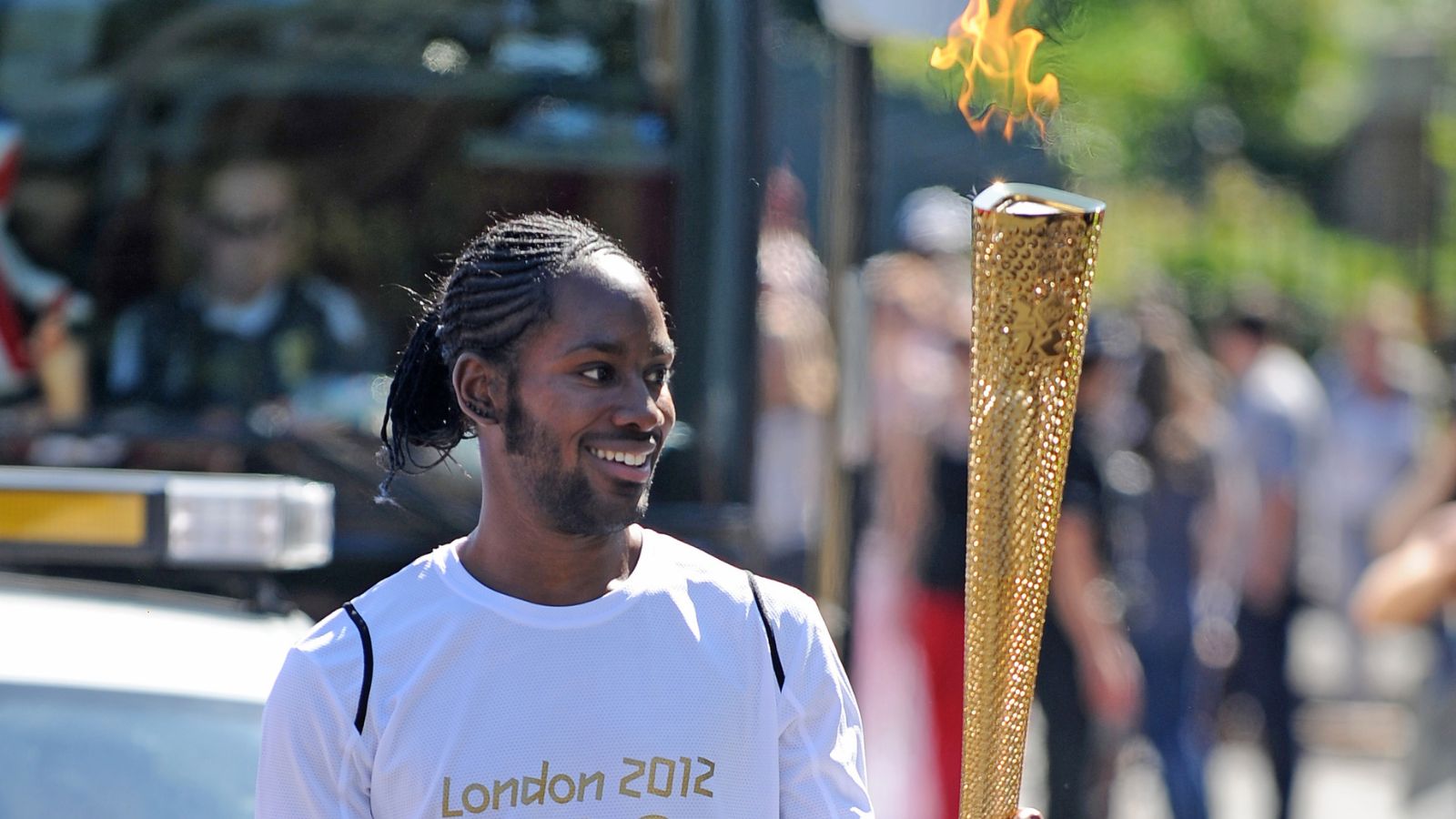
Jason Arday was a professor who did very important work.
Some people said that parts of his schoolwork were not all his own.
That is a very serious thing to say about a professor.
Newspapers and websites talked about it many, many times.
They kept talking about him even after he stopped working.
So many mean stories made him feel very sad and alone.
He told a friend that he couldn't go on, and sadly he died.
His family says all the mean attention hurt him too much.
When people are picked on so much in the news and online, it can be very hard to bear.
We should always remember that people in the news have feelings, just like us.

Professor Jason Arday, 41, was found dead at his home in Battersea on August 14; authorities called the death unexpected but not suspicious.
Hours before his death, Arday told a colleague he 'couldn't go on,' and his family cites sustained abuse and misinformation as the cause.
NewsCord counted about 249 articles about Arday across British national outlets in 22 days, nearly 190 published after his August 5 resignation.
Allegations included textual overlaps in his 2015 PhD thesis, problems in later papers, and inconsistencies in his public biography.
Arday, who had autism and a history of widespread developmental delay, was compared to cases including Caroline Flack and Sushant Singh Rajput.
- Who
- Professor Jason Arday, a 41-year-old professor found dead at his home in Battersea.
- What
- Arday died unexpectedly after telling a colleague he 'couldn't go on'; his family links his death to sustained media scrutiny and online abuse following allegations about his academic work.
- Where
- His home in Battersea; the coverage came from British national outlets and social media.
- When
- Found dead on August 14; media coverage spanned 22 days and continued after his August 5 resignation.
- Why
- His family says a campaign of sustained abuse and misinformation, amplified by newspapers and social media, became unbearable for him.
Public Interest Defense
Human Cost Critique
Media scrutiny of Arday
Public Interest Defense
The press has a legitimate duty to scrutinise authority and report in the public interest; the questions about Arday's PhD thesis, papers and biography were serious and required answers.
Human Cost Critique
The volume, personalisation and duration of coverage — roughly 249 articles in 22 days, continuing after resignation — turned inquiry into a destructive spectacle that targeted the person rather than the scholarly record.
Academic integrity allegations
Public Interest Defense
Academic integrity is not optional, and universities and the public have a proper interest in the reliability of credentials and published work; formal investigation was the correct route.
Human Cost Critique
The allegations were converted into a high-volume, personalised campaign that stripped context, amplified humiliation on social media, and continued long after resignation rather than awaiting formal investigation.
Social media's role
Public Interest Defense
Platforms democratise information and allow broader public discussion and accountability of public figures.
Human Cost Critique
Social media removed the brakes, amplified humiliation through clips, memes and comment threads, and reduced a complex story to simplified, shareable judgment.
Key facts
- Age
- 41
- Date found dead
- August 14
- Location
- Home in Battersea
- Death status
- Unexpected but not suspicious
- Articles about him
- About 249 in 22 days (NewsCord count)
- Articles after resignation
- Nearly 190; resigned on August 5
- Main allegations
- Textual overlaps in 2015 PhD thesis; problems in later papers; biography inconsistencies
- Personal vulnerability
- Autism and history of widespread developmental delay
Quotes
Colleague
A colleague of Professor Jason Arday
“"Shame on all of you"”
 indianexpress.com
“"couldn’t go on"”
indianexpress.com
Sources
Related news
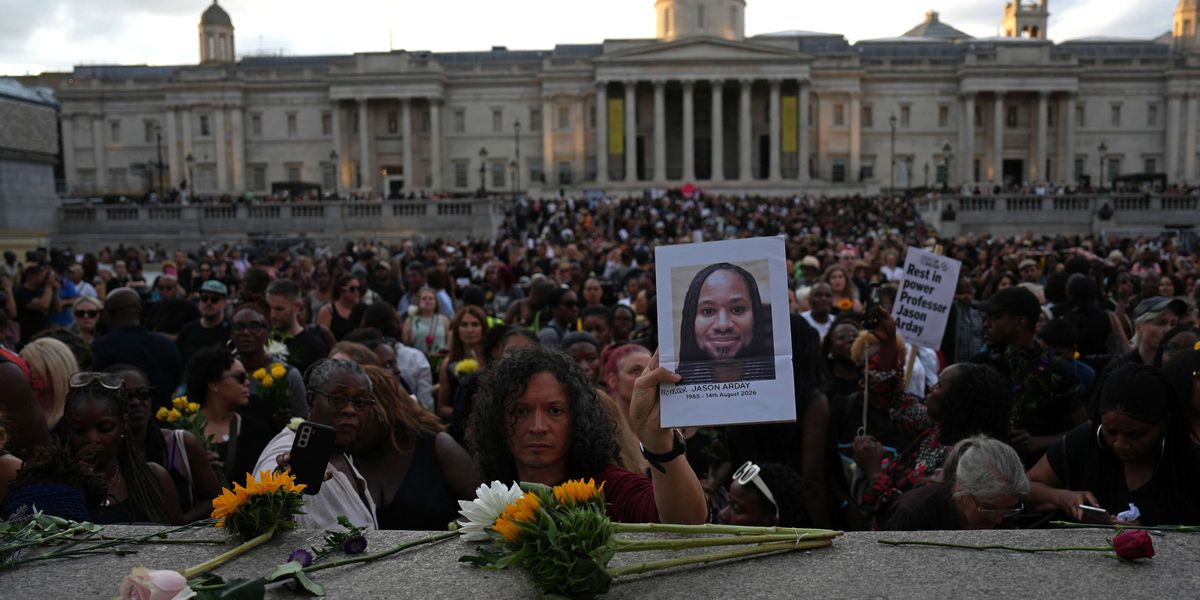
Debate Over Jason Arday’s Scrutiny Continues Before Book Publication
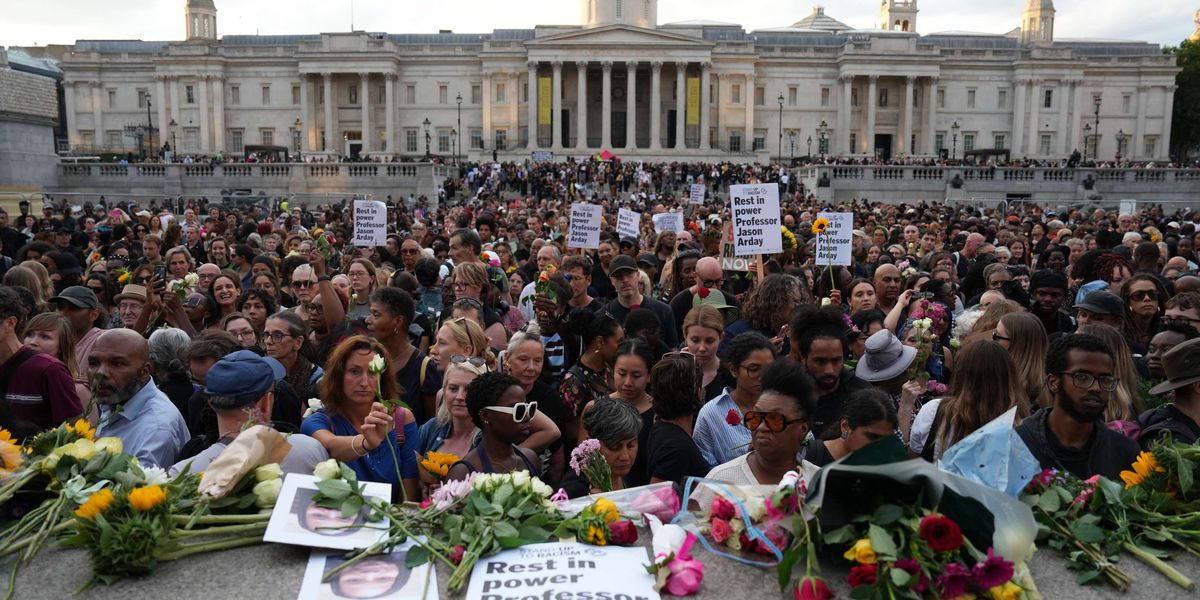
Thousands mourn Cambridge professor Jason Arday amid plagiarism fallout
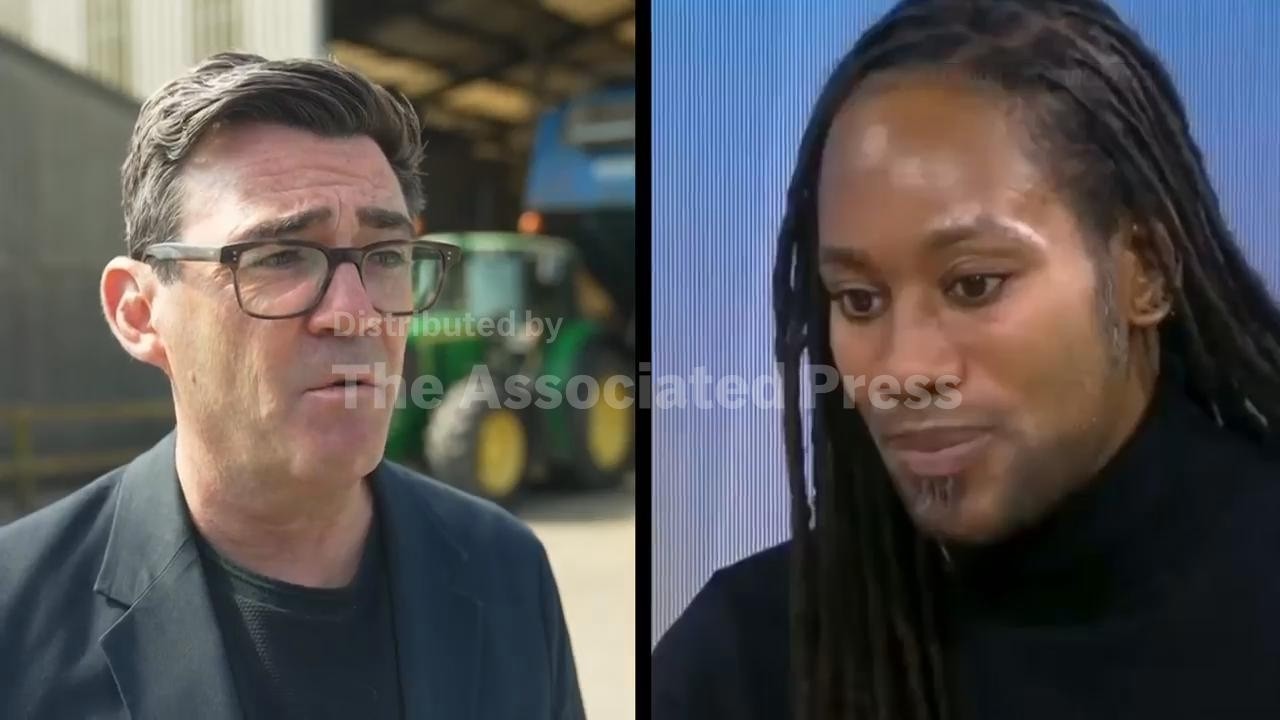
Burnham Urges Reflection After Death of Ex-Cambridge Professor Jason Arday

Opinion Article Disputes Sympathy After Allegations Against Jason Arday
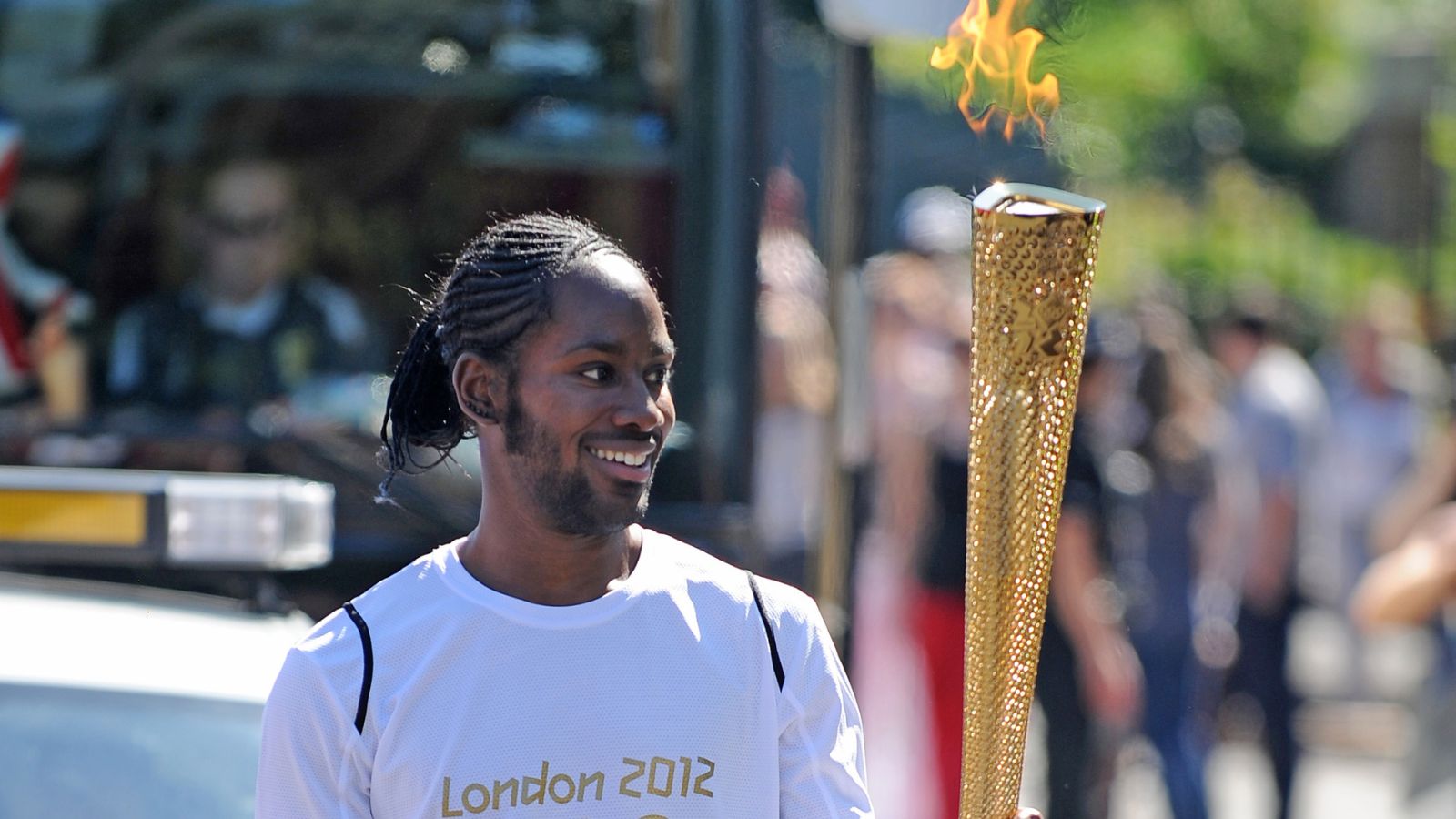
Jason Arday, Youngest Black Cambridge Professor, Found Dead in London
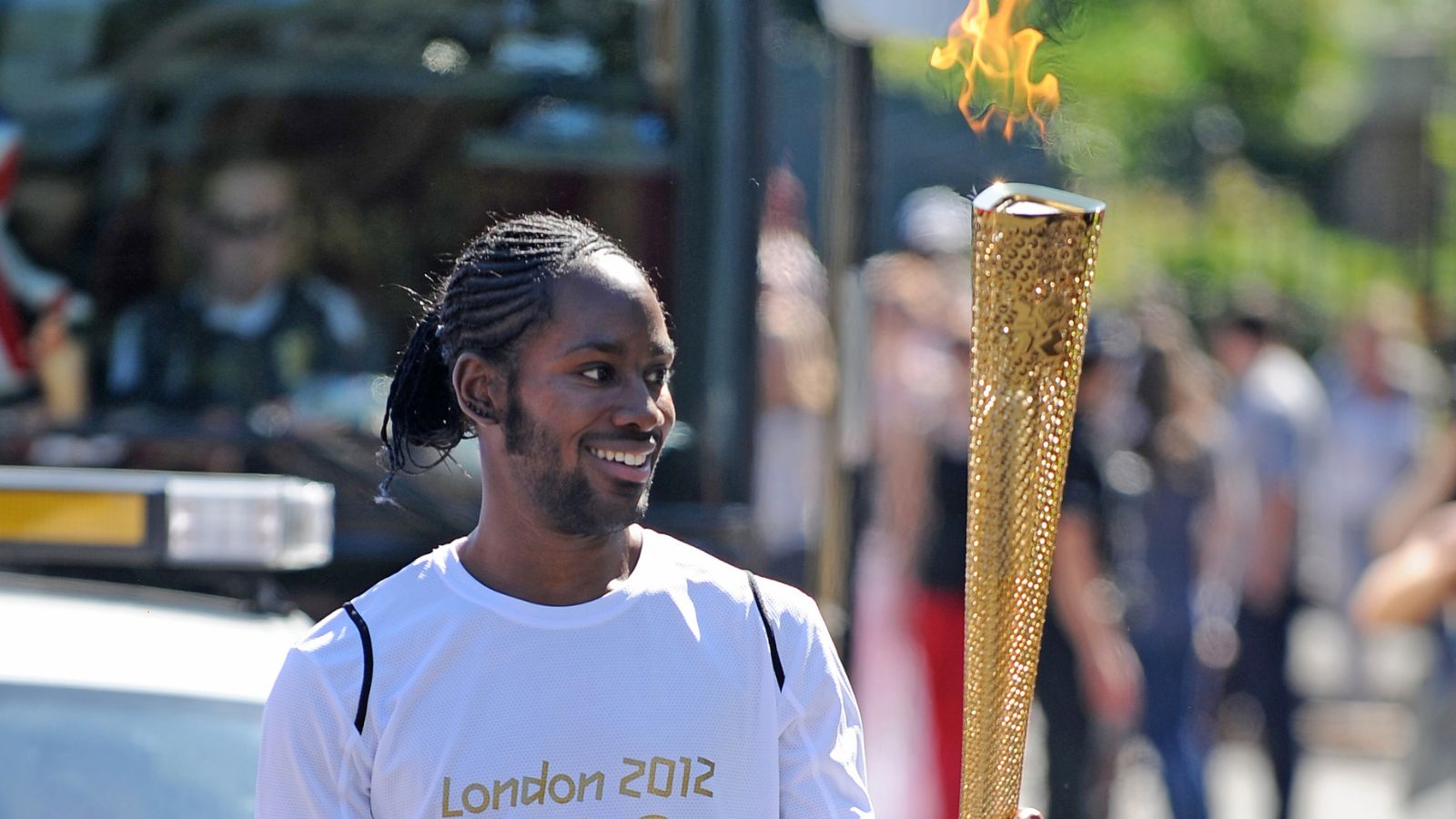
Race, Media Scrutiny, and the Death of Jason Arday

Sahil Salathia Criticizes Mallika Sherawat Over Jail Comment

Rhea Chakraborty Eliminated From The Traitors India Season 2

The Traitors Season 2 Reveals Six Finalists After Evictions

Rhea Chakraborty exits Traitors 2 amid emotional innocence claim

Soundous Moufakir Calls Rakhi Sawant’s Reality Drama Performance