

3 weeks ago
Protein bars and powders safety: experts explain third-party testing
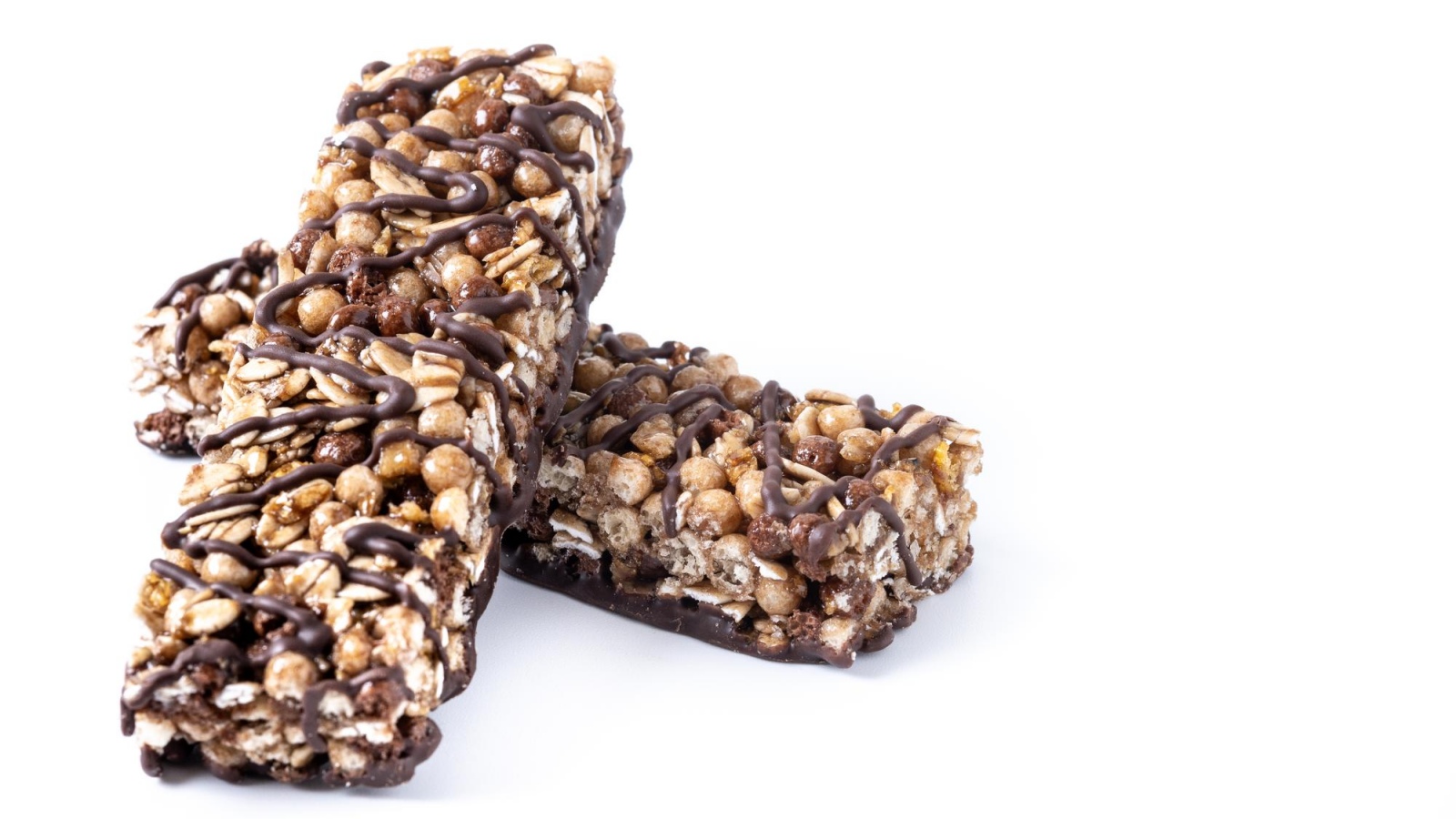
Some people worry that protein bars and powders might not be safe to eat.
A nutritionist named Layla Al-Naif said that many of these products contain tiny bits of heavy metals, toxins, and pesticides.
She said that if the package doesn't say a product was "third-party tested," it probably wasn't tested at all.
A health expert named Anshul Singh said her worry is understandable.
He explained that ingredients like whey, soy, and rice protein can soak up tiny amounts of these substances from the soil.
But he also said that good companies do their own careful testing.
"Third-party tested" means an outside laboratory checked the product to make sure the label is correct and that there are no harmful chemicals or germs inside.
Not having that stamp does not mean a product is bad, says Singh.
Still, experts say it's best to eat real foods like eggs, milk, fish, and beans for protein most of the time, and only use bars and powders when you are busy.

Nutritionist Layla Al-Naif said on The Masoom Minawala Show that most protein powders and bars are “heavy on the heavy metals, toxins, pesticides” and are not tested unless they state they are third-party tested.
Anshul Singh, Team Lead of Clinical Nutrition & Dietetics at Artemis Hospitals, says the worry is valid because ingredients like whey, soy, pea and rice proteins may absorb trace contaminants from soil during cultivation or processing.
Third-party testing means an independent laboratory verifies ingredient accuracy and purity and checks for contaminants such as heavy metals and harmful microbes.
Singh says the absence of third-party certification does not automatically mean a product is unsafe, since many reputable manufacturers conduct rigorous in-house quality testing.
Experts advise choosing reputable brands with certifications like NSF Certified for Sport, Informed Choice, Informed Sport or USP Verified, and never replacing whole-food protein sources with bars.
- Who
- Nutritionist Layla Al-Naif raised the concerns, and Anshul Singh, Team Lead of the Clinical Nutrition & Dietetics Department at Artemis Hospitals, responded as an expert.
- What
- A debate over whether protein powders and bars are contaminated with heavy metals, toxins and pesticides, and what the “third-party tested” claim actually means.
- Where
- Not explicitly stated; the discussion aired on The Masoom Minawala Show podcast and expert comment came from Artemis Hospitals.
- When
- No specific date given; the discussion took place during an episode of The Masoom Minawala Show podcast.
- Why
- To help consumers understand the safety of protein supplements and how to choose safer protein powders and bars.
Concerned nutritionists
Clinical nutrition experts
Safety of protein supplements
Concerned nutritionists
Layla Al-Naif says most protein powders and bars are "heavy on the heavy metals, toxins, pesticides" and are not tested.
Clinical nutrition experts
Anshul Singh says the worry is valid, but actual health risk depends on contamination levels, product quality, how often it is consumed and overall dietary exposure over time.
Meaning and necessity of third-party testing
Concerned nutritionists
Al-Naif says if a product doesn't state it is third-party tested, that means it is not tested.
Clinical nutrition experts
Singh says third-party testing is an additional layer of quality assurance, but its absence does not automatically mean a product is unsafe because many reputable manufacturers do rigorous in-house testing.
Key facts
- Expert quoted
- Anshul Singh, Team Lead, Clinical Nutrition & Dietetics Department, Artemis Hospitals
- Nutritionist raising concern
- Layla Al-Naif, via The Masoom Minawala Show podcast
- Third-party tested meaning
- Independent laboratory verifies ingredient accuracy, purity and checks for heavy metals and harmful microbes
- Potential contaminants
- Heavy metals, pesticides, toxins, harmful microbes
- Common protein ingredients
- Whey, soy, pea and rice proteins
- Certification examples
- NSF Certified for Sport, Informed Choice, Informed Sport, USP Verified
- Whole-food protein sources
- Eggs, milk, yogurt, fish, chicken, lentils, beans, tofu, nuts
Quotes
Layla Al-Naif
nutritionist who raised concerns about protein supplement safety
“"Independent third‑party testing offers an additional layer of quality assurance," says Singh, explaining that independent laboratories verify ingredient accuracy, purity, and check for contaminants such as heavy metals and harmful microbes.”
 indianexpress.com
“"Most protein powder, which is all obviously going into a protein bar, is heavy on the heavy metals, toxins, pesticides. They’re not tested. And third‑party tested, if it doesn’t say it, that means it’s not."”
indianexpress.com
Sources
Related news
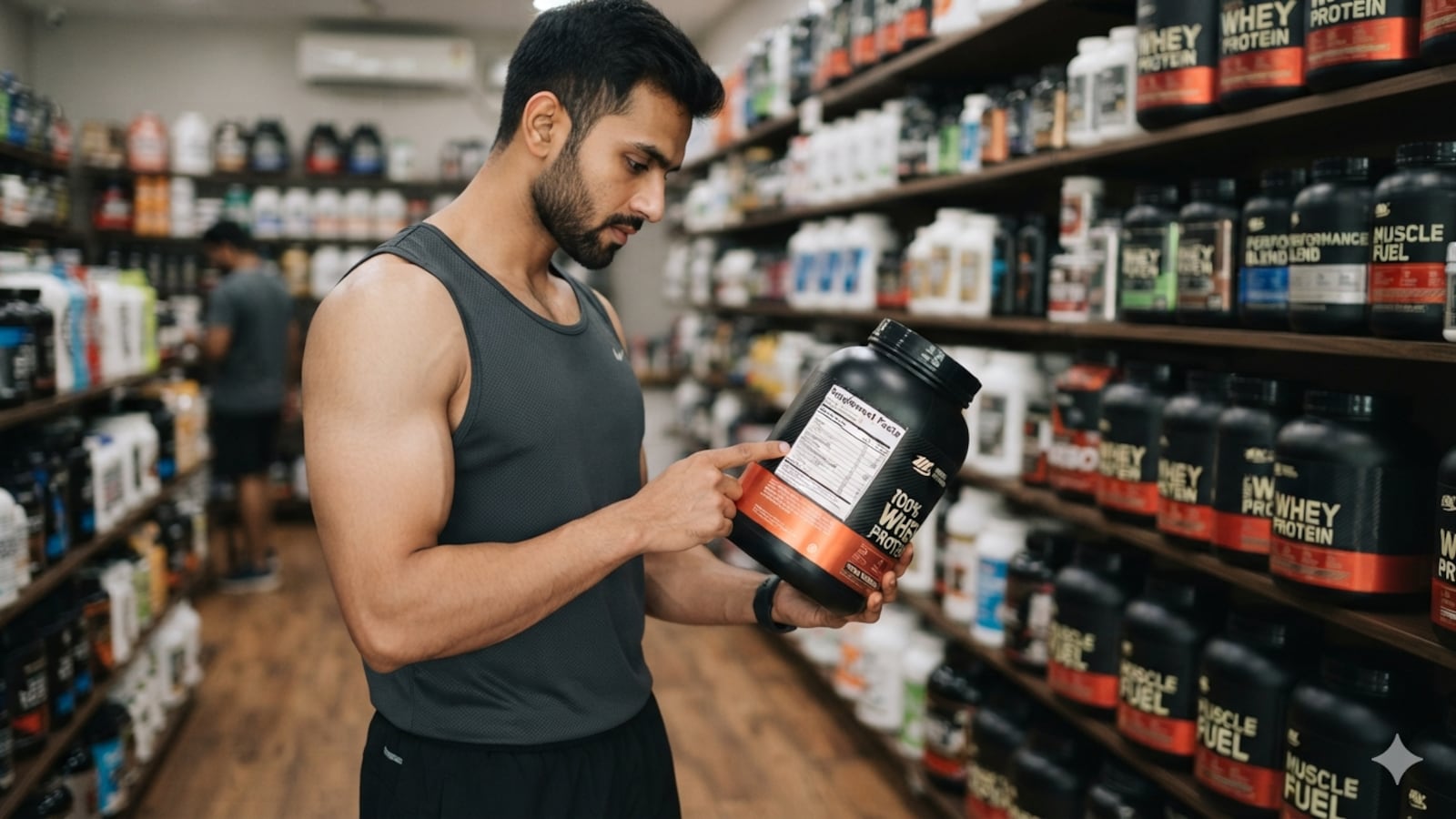
Protein Powder Labels: Key Ingredients to Check Before Buying
India's Protein Fixation: Fortified Food Trend Raises Nutrition Questions
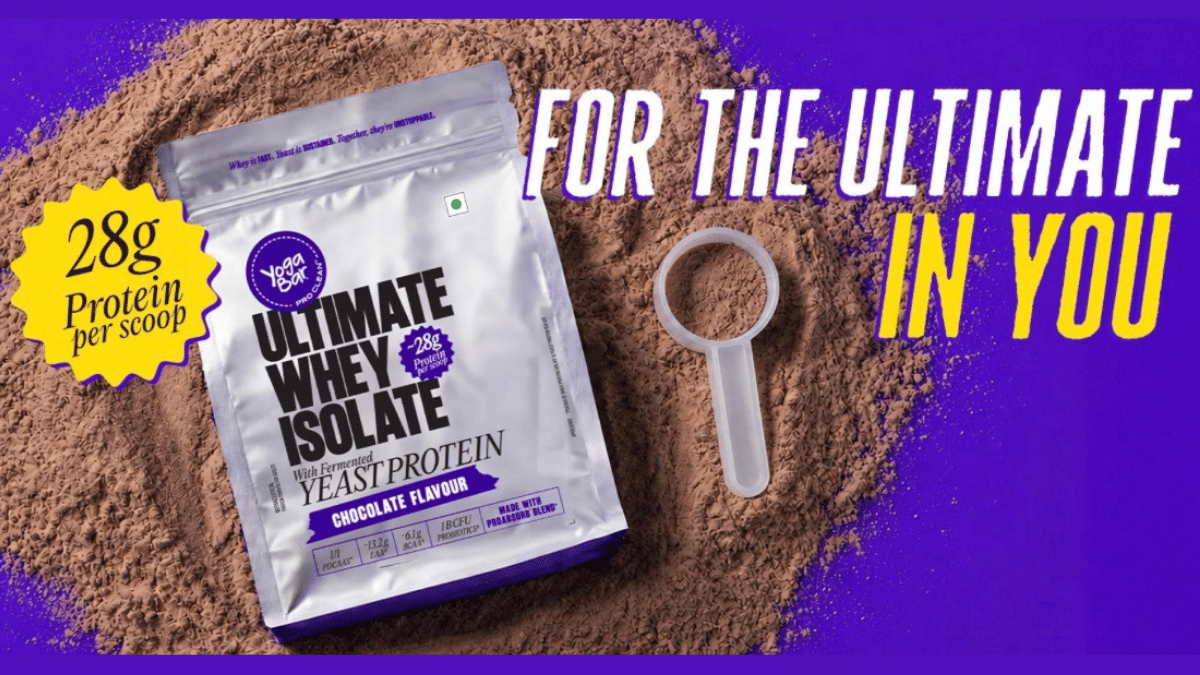
Yoga Bar Launches Whey Isolate With Fermented Yeast Protein

Why Indian Consumers Are Choosing Cleaner Whey Formulations
1 in 2 Indians Eat Protein Daily, Confusion Persists: Report
