2 hrs ago
Trump Administration Backs OpenAI in New York Times Copyright Fight

The New York Times says OpenAI used its articles to teach ChatGPT without permission or payment.
OpenAI says using the articles to train an AI is allowed under a copyright rule called fair use.
The Trump administration agrees with OpenAI’s position.
Government lawyers say AI training could help science, creativity, the economy, and national security.
The Times says this approach would hurt journalists and other creators.
It argues that AI companies should pay for the work that makes their products useful.
A judge will consider the arguments in the ongoing case.
The government’s filing gives advice to the court but does not decide the case.
Similar lawsuits have been brought by authors, publishers, music companies, and other copyright owners.

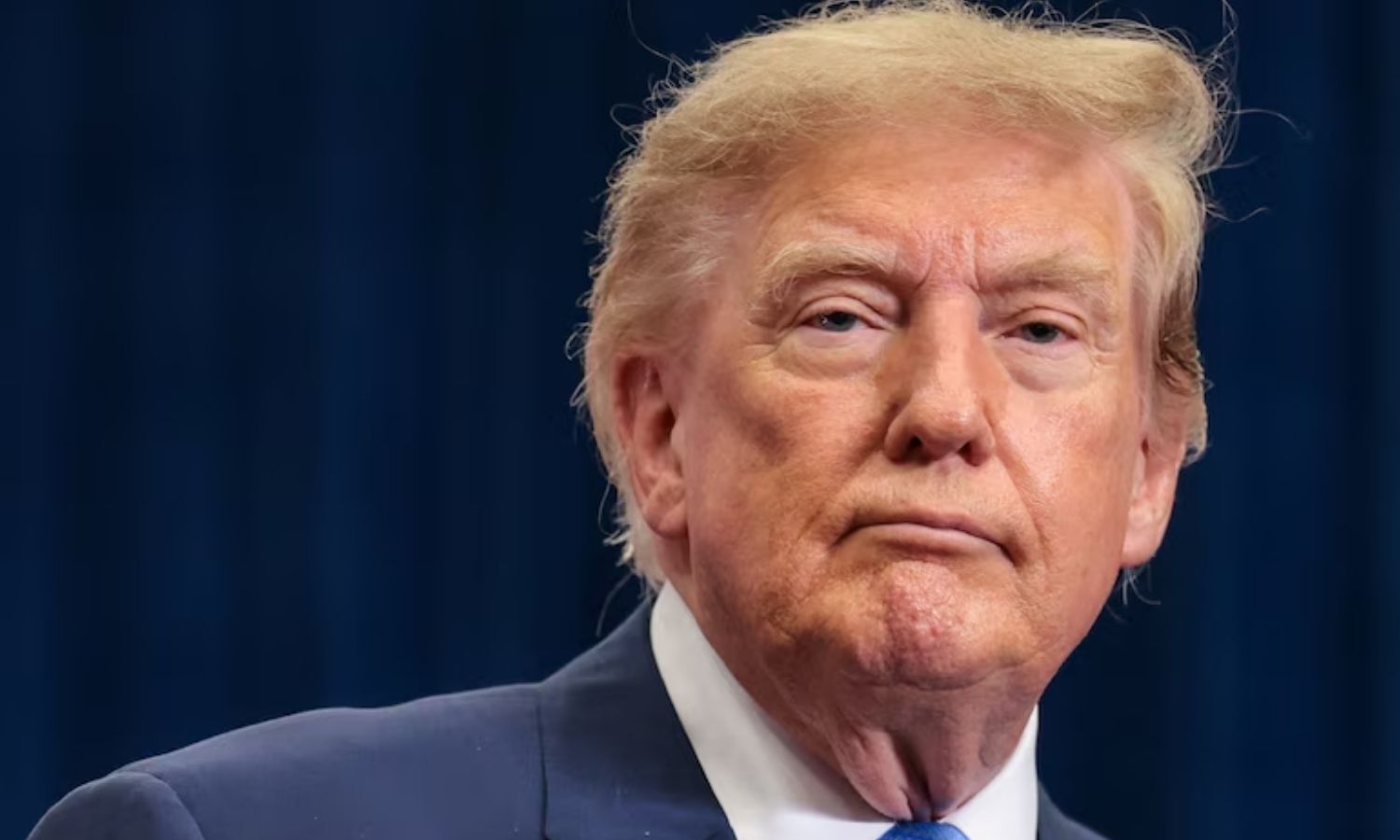
The Trump administration filed a court brief supporting OpenAI’s fair-use defense in its copyright dispute with The New York Times.
The Justice Department argued that restricting AI training could hinder creative and scientific progress, economic mobility, and national security.
The Times says OpenAI used millions of articles without permission and built competing products from its journalism without payment.
The case, filed in 2023, is among dozens challenging AI companies’ use of copyrighted books, news, music, and other works for training.
Commerce Secretary Howard Lutnick separately urged countries to support AI training while developing protections for creators.
- Who
- OpenAI, The New York Times, the Trump administration, and other copyright owners.
- What
- The Justice Department filed a brief supporting OpenAI’s argument that using copyrighted material to train large language models can qualify as fair use.
- Where
- The brief was filed in Manhattan federal court; the Justice Department made the filing on behalf of the US government.
- When
- The lawsuit was filed in 2023; the government brief was filed Tuesday, and Howard Lutnick discussed the issue Wednesday.
- Why
- The administration says restricting AI training could hinder innovation, scientific and creative progress, economic mobility, and national security, while The Times seeks permission and compensation for its journalism.
OpenAI and Government
The New York Times and Creators
Whether AI training is fair use
OpenAI and Government
OpenAI and the Justice Department argue that training models on large collections of online writing can be transformative fair use.
The New York Times and Creators
The New York Times and other copyright owners argue that using their work without permission violates copyright law.
Effect on innovation and the economy
OpenAI and Government
The administration says limiting AI training could obstruct creative and scientific progress, American prosperity, economic mobility, and national security.
The New York Times and Creators
The Times says allowing companies to use content without payment would undermine human-created journalism and the sustainability of creators.
Payment for journalism
OpenAI and Government
The government’s position would allow AI companies to train on creators’ work under fair-use principles without requiring permission or compensation in these circumstances.
The New York Times and Creators
The Times says AI companies should pay fairly for the content used to make their products possible.
Key facts
- Lawsuit filed
- 2023
- Government position
- AI training on online writings can be protected by fair use.
- Justice Department argument
- The public and creative benefits of large-language-model training outweigh competitive harm.
- New York Times position
- OpenAI used billions of dollars’ worth of journalism without permission and created competing products from it.
- Court filing
- The government brief was filed in Manhattan federal court and has advisory rather than legal weight.
- Broader litigation
- Copyright owners have brought dozens of cases against OpenAI, Anthropic, Meta Platforms, and other technology companies.
- Related policy statement
- Commerce Secretary Howard Lutnick urged countries to allow AI training while protecting artists.
Quotes
Justice Department attorneys
Attorneys representing the U.S. Justice Department in the copyright case
“The entire reason that AI models are rapidly reshaping the economy and national security is that they help people, including those working in creative fields, make things and get things done.”
 livemint.com
Graham James
Spokesperson for The New York Times
“Both AI and creators can thrive — AI companies simply need to pay fairly for the content that makes their products possible, as copyright law requires.”
livemint.com
Sources

Related news

Sony and Warner Sue Anthropic Over AI Music Training

Great Book Grab: Who Owns Knowledge in the AI Age?

Sony and Warner Sue Anthropic Over Claude Copyright Claims

AI Copyright Debate Puts the Future of Information Ahead
Sony, Warner Sue Anthropic Over Alleged Music Copyright Theft

Judge Blocks Pentagon’s Anthropic Supply Chain Risk Designation
India’s Data Centre Sector Draws Massive Investment Projections
Former Big Tech Workers Describe Layoffs’ Harsh Aftermath

Beijing Bar Uses Free AI Tokens to Attract Tech Crowd

New foreign firms expected to drive Indian GCC headcount growth