

8 months ago
Lessons from Trump's Second Term
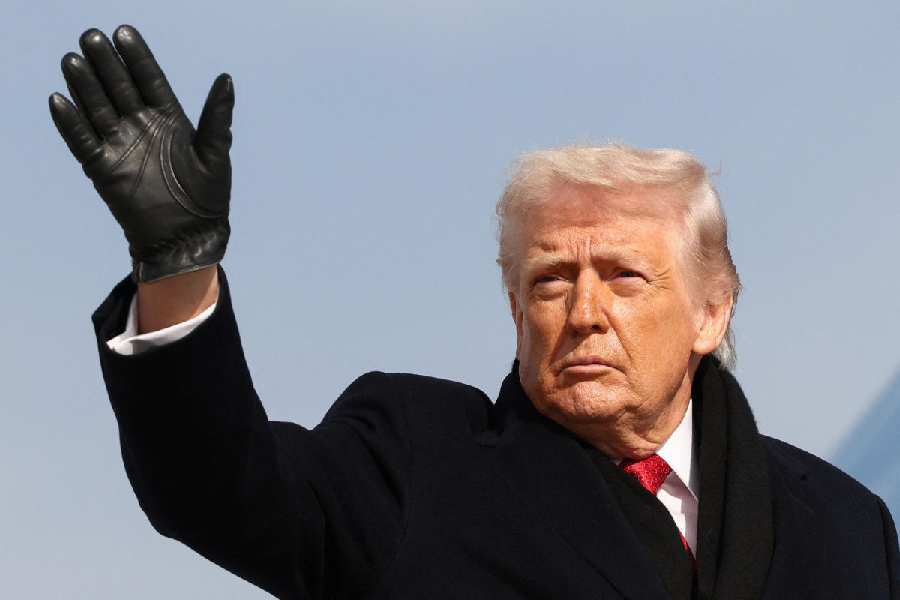
Donald Trump's second term has shown us several important things.
First, the 'West' is not a united group of countries but rather nations that rely on the US for protection.
Second, Europe has not been able to stand up to Trump's aggressive policies, showing that it is not an independent power.
Third, China has become a strong competitor to the US, especially in technology and clean energy.
Fourth, the US and its allies have not followed international laws, making them less respected.
Finally, India's close relationship with the US has not always been beneficial, as seen with Trump's high tariffs on Indian goods.
These lessons help us understand the changing world order and the role of different countries in it.

The 'West' is a euphemism for US-dependent nations, not a united fellowship.
Europe's inability to counter Trump's policies highlights its dependency and lack of independent action.
China's rise in technology and clean energy contrasts with the US's declining influence.
The US and its allies have undermined international law through actions in Gaza, Venezuela, Iran, and elsewhere.
India's pro-US stance has not always been beneficial, as seen with Trump's high tariffs on Indian goods.
- Who
- Donald Trump, US President; European leaders; China; India
- What
- Analysis of Trump's second term policies and their global impact
- Where
- United States, Europe, China, India, Global South
- When
- First year of Trump's second term
- Why
- To understand the implications of Trump's policies on global dynamics and US leadership
Key facts
- President
- Donald Trump
- Term
- Second term, first year
- Key Policies
- Gaza, immigration, tariffs, aid, armed intervention, annexation, allies, China
- US Policy Continuity
- Similarities between Trump and Biden administrations on Gaza and China
- European Dependency
- Europe's reliance on US for security and policy direction
- China's Rise
- China's growing influence in science, technology, and global economy
- India's Position
- India's shift from non-alignment to pro-US stance and its implications
- International Law
- West's complicity in undermining international law
Quotes
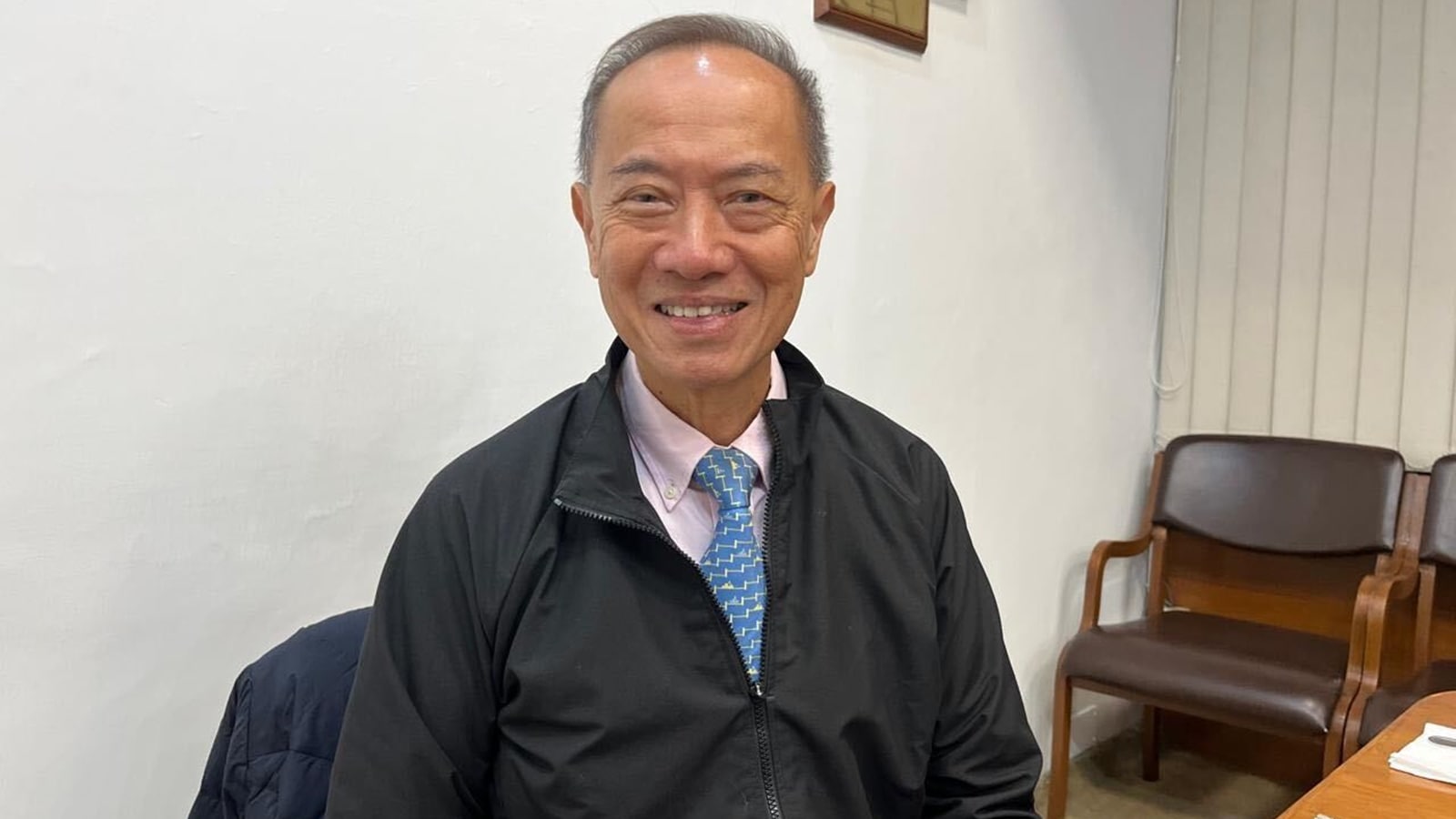
George Yong-Boon Yeo
Former Foreign Minister of Singapore and a Padma Bhushan awardee
“Right now, his obsession must be the midterms this year. If he loses control of one of the two houses of US Congress, the second half of his term may become a lame-duck administration. He will try to issue executive orders but they will be contested in the courts. After the midterms, many people will be thinking beyond him. Who are the potential successors to him on the Republican side? On the Democratic side, other leaders will be thrown up. Some of Trump’s policies will be reversed, but many cannot be. The Transatlantic Alliance cannot be repaired to what it was. The US can’t disentangle itself from Venezuela. The greatest uncertainty in the world is domestic politics in the US.”
 indianexpress.com
“Trump’s foreign policy is to dominate the Western hemisphere. He wants China and Russia to be kept out. That’s why he covets Canada and Greenland, and renamed the Gulf of Mexico as the Gulf of America. If he moves into Greenland, uninvited, the Transatlantic Alliance will be ruptured. It’s already cracked. I’m not saying that the US is going to retreat from the world but there is a clear shift of emphasis which was reflected in the National Security Strategy paper issued a few weeks ago… Europe will have to calculate for itself. The multi-polar world is crystallising, and the crystallisation is taking place faster because of Trump’s actions.”
indianexpress.com
Sources
Related news
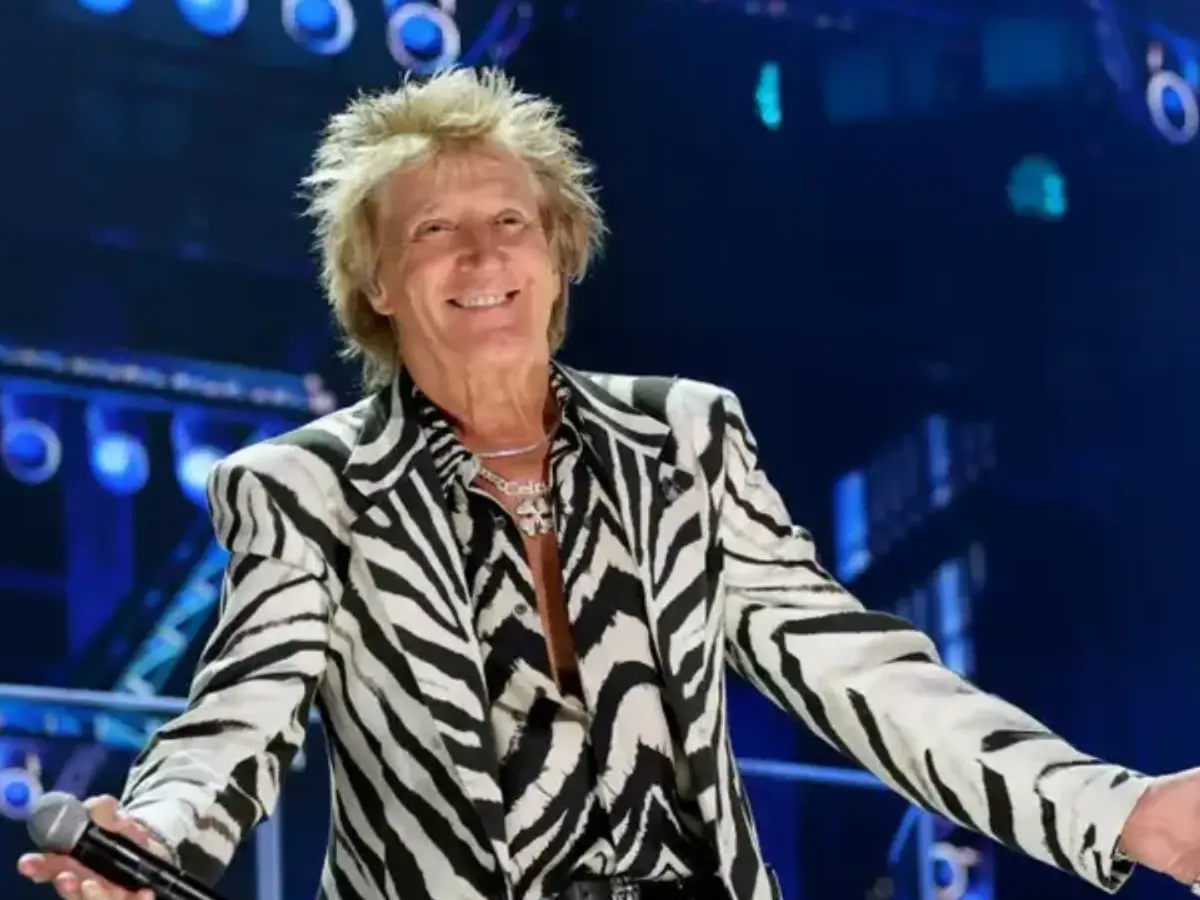
Rod Stewart Announces Final Rock-and-Roll Tour After Health Concerns
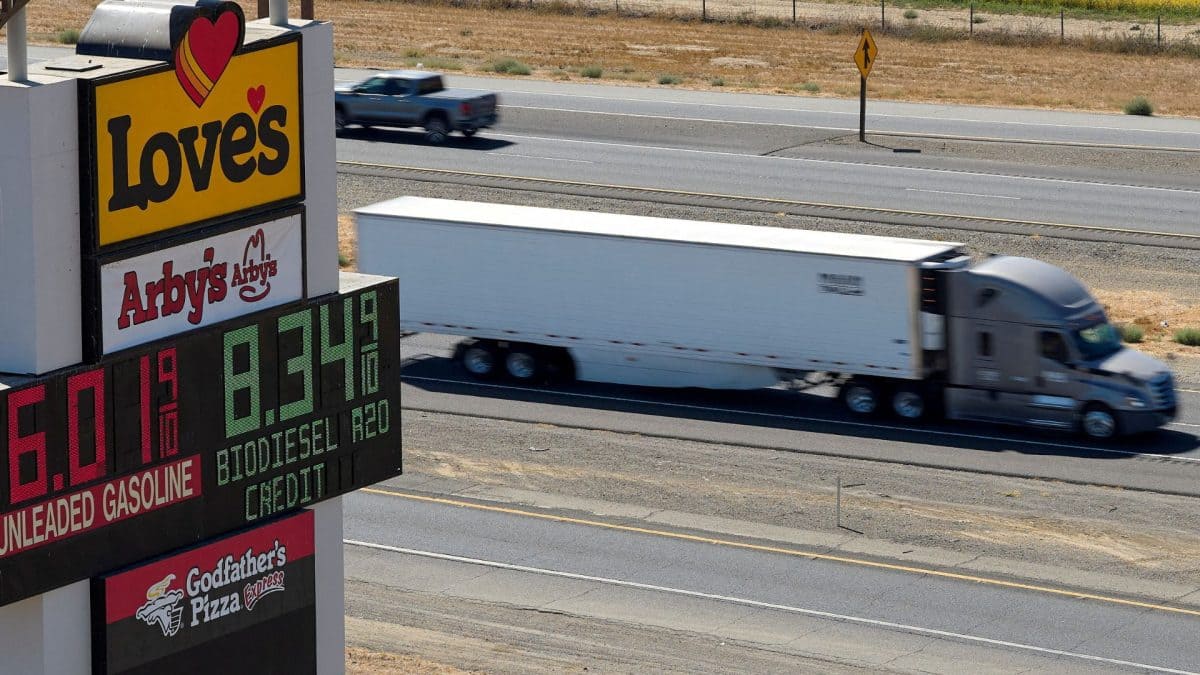
Trump’s Proposed Diesel Export Ban Raises Global Fuel Concerns
Putin Rejects European Fears of Possible Russian Attack
Putin Weighs Ukraine Talks, Rules Out Conflict With Europe

Indore Police Probe Fake Tour and Property Fraud Cases
