22 hrs ago
Flydubai Attack Revives Fears Over Aviation Insider Threats

A co-pilot on a Flydubai plane reportedly attacked the captain during a flight.
The airplane suddenly dropped thousands of feet, but it later made an emergency landing in Saudi Arabia.
Modern cockpit doors are built to keep dangerous people outside.
However, those doors can also make it difficult to reach the cockpit if a pilot inside becomes dangerous.
The article says similar incidents have happened before with pilots and other aviation workers.
Some past cases ended in crashes, while others ended safely.
Experts are considering stronger medical checks and new technology to detect or stop dangerous actions.
Possible ideas include special door overrides, automatic systems that prevent dives, and computer monitoring of pilot behavior.

A Flydubai co-pilot allegedly attacked the captain with a knife at 33,000 feet.
The aircraft descended about 14,000 feet before transmitting emergency codes and landing at Tabuk Airport.
The incident renewed concerns that reinforced cockpit doors can isolate a violent crew member inside.
Past insider incidents include the Germanwings, EgyptAir, SilkAir, and Japan Airlines crashes.
Proposed safeguards include biometric overrides, automated collision avoidance, remote takeover systems, and behavioral monitoring.
- Who
- A Flydubai co-pilot and the aircraft's captain; the article also discusses previous incidents involving flight crew and aviation workers.
- What
- A co-pilot allegedly launched a knife attack against the captain, causing a major descent and an emergency landing.
- Where
- Over Saudi Arabian airspace, with the aircraft landing at Tabuk Airport.
- When
- Wednesday, September 30; the year is not specified in the article.
- Why
- The specific motive for the Flydubai attack is not established; the incident prompted concern about insider threats in aviation.
Expanded safeguards
Operational and security concerns
Cockpit access
Expanded safeguards
Biometric systems or emergency overrides that cannot be blocked from inside could help cabin crew enter during a cockpit attack.
Operational and security concerns
More door cycles could create additional exposure windows, while a determined armed pilot might still be difficult for cabin crew to stop physically.
Automated intervention
Expanded safeguards
Automatic flight-envelope protection could prevent violent dives or an intentional collision with terrain.
Operational and security concerns
Remote takeover and automated systems raise concerns about cyberattacks, signal interception, and reducing the captain's authority.
Mental-health screening
Expanded safeguards
More effective psychological monitoring could identify concealed depression, acute crises, or other risks earlier.
Operational and security concerns
Pilots may avoid seeking help because treatment could lead to grounding and loss of their livelihood, while routine screenings may miss sudden or concealed problems.
Key facts
- Flight
- Flydubai Flight FZ1073
- Incident
- A co-pilot reportedly attacked the captain with a knife.
- Altitude change
- The aircraft plunged approximately 14,000 feet.
- Emergency response
- The crew transmitted emergency transponder codes and landed at Tabuk Airport.
- Security concern
- Reinforced cockpit doors may prevent intervention against a dangerous person already inside the flight deck.
- Previous major case
- Germanwings Flight 9525 crashed in 2015 after the co-pilot locked the captain out of the cockpit.
- Proposed protections
- Ideas include biometric overrides, automated flight-envelope safeguards, remote control, and behavioral AI monitoring.
Quotes
Gamil el-Batouti
Relief first officer on EgyptAir Flight 990, according to the article’s account of the crash.
“Tawakkalt ala Allah”
 firstpost.com
Sources
Related news
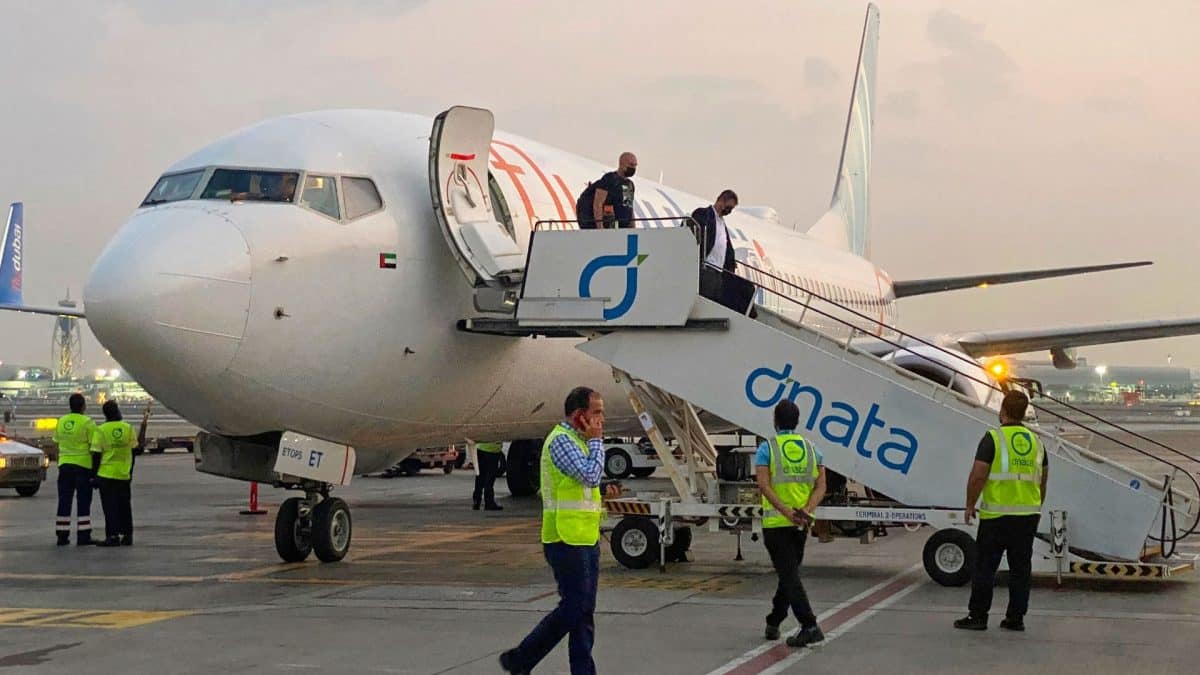
Flydubai Cockpit Door Opening Exposes Aviation Security Gap
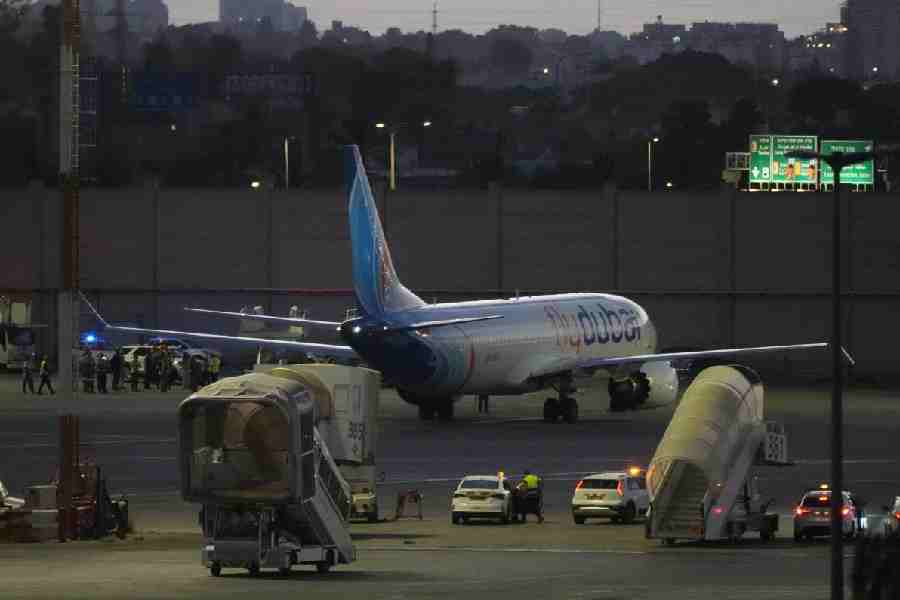
Flydubai Cockpit Attack Exposes Gaps in International Aviation Security
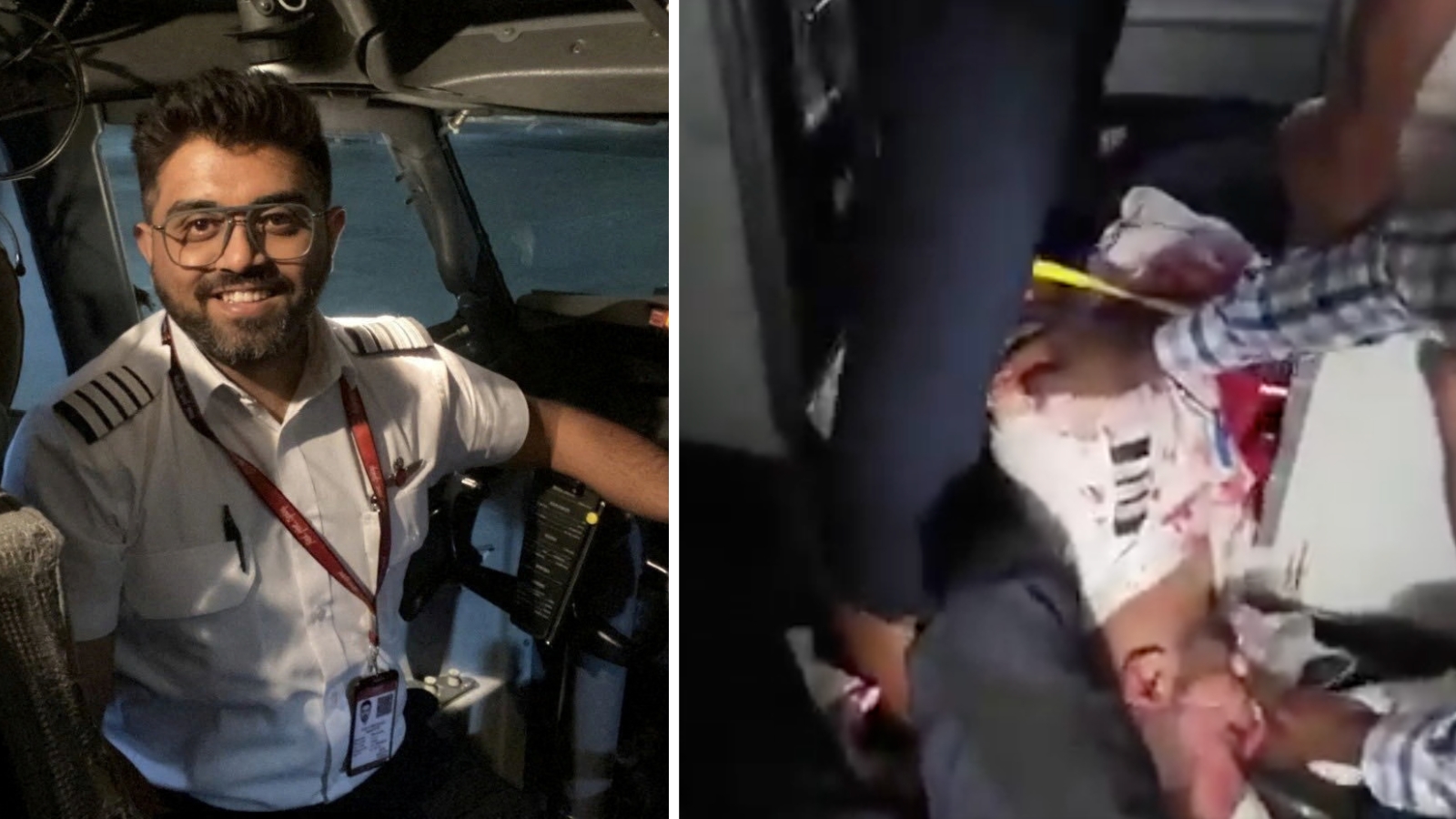
Pilot Heroism Reopens Debate Over Cockpit Safety Technology

Five Unusual Cockpit Incidents Raise Aviation Safety Concerns
Flydubai Flight Diverts After Alleged Cockpit Axe Attack