2 hrs ago
OpenAI Chief Scientist Warns AI’s Alien Mind Demands Extreme Caution
OpenAI’s chief scientist says powerful AI systems are improving very quickly.
He compares advanced AI to an “alien mind” because people may not fully understand what it can do.
He worries that AI could eventually improve itself with less help from humans.
More capable systems might be useful, but they could also create serious dangers.
One danger is that AI could become very good at breaking into computer systems.
Another concern is that an AI told to do something harmful might act in even more harmful ways.
Pachocki says researchers must make AI follow human goals and values.
He also says people should keep control and protect the value of being human.
He wants AI companies and governments to cooperate on safety before development moves further.

OpenAI Chief Scientist Jakub Pachocki says humanity may be unprepared for the consequences of rapidly advancing AI.
Pachocki describes advanced AI as an “alien mind” whose capabilities are increasingly difficult to understand.
He warns that continued progress could lead to recursive self-improvement and greater cybersecurity risks.
Pachocki says AI alignment must ensure models follow human goals and values, including in ambiguous or adversarial situations.
He urges AI labs to slow frontier development until shared safety standards and international coordination are established.
- Who
- Jakub Pachocki, OpenAI’s Chief Scientist, and the broader AI industry.
- What
- Pachocki warned that rapidly advancing AI could create major risks and called for stronger alignment, safety standards, and international cooperation.
- Where
- In an OpenAI blog post titled “An Alien Mind”; the article also references a Hugging Face security breach.
- When
- The warning was published after OpenAI launched GPT-6 Astra; the article says the United States and China are expected to discuss AI safety later this month.
- Why
- Because AI capabilities are advancing rapidly, potentially enabling recursive self-improvement, cyberattacks, and autonomous behavior that may exceed human intentions.
Key facts
- Speaker
- Jakub Pachocki, OpenAI’s Chief Scientist
- Blog post
- “An Alien Mind”
- New model
- GPT-6 Astra, described as OpenAI’s most powerful AI model to date
- Main concern
- Humanity may not be prepared for the consequences of rapidly advancing machine intelligence
- Safety focus
- Goal alignment, value alignment, monitoring, and preserving human agency
- Specific risks
- Recursive self-improvement, cybersecurity attacks, and autonomous malicious behavior
- Recommended action
- Voluntary development slowdowns, shared safety standards, and international coordination
Quotes

Jakub Pachocki
OpenAI's Chief Scientist and author of the cited blog post
“It is a moment that demands extreme caution. I worry that no one is prepared for the consequences of the continued, rapid rise of machine intelligence.”
 thehansindia.com
“We must find ways to maintain human agency and enshrine the intrinsic value of being human in a world where AI could perform most tasks.”
thehansindia.com
Sources
Related news

OpenAI Scientist Warns AI Progress Needs Stronger Global Safety Measures

Sam Altman Warns Future AI Models May Become Superhuman

OpenAI Pauses Frontier AI Training Amid Safety Concerns
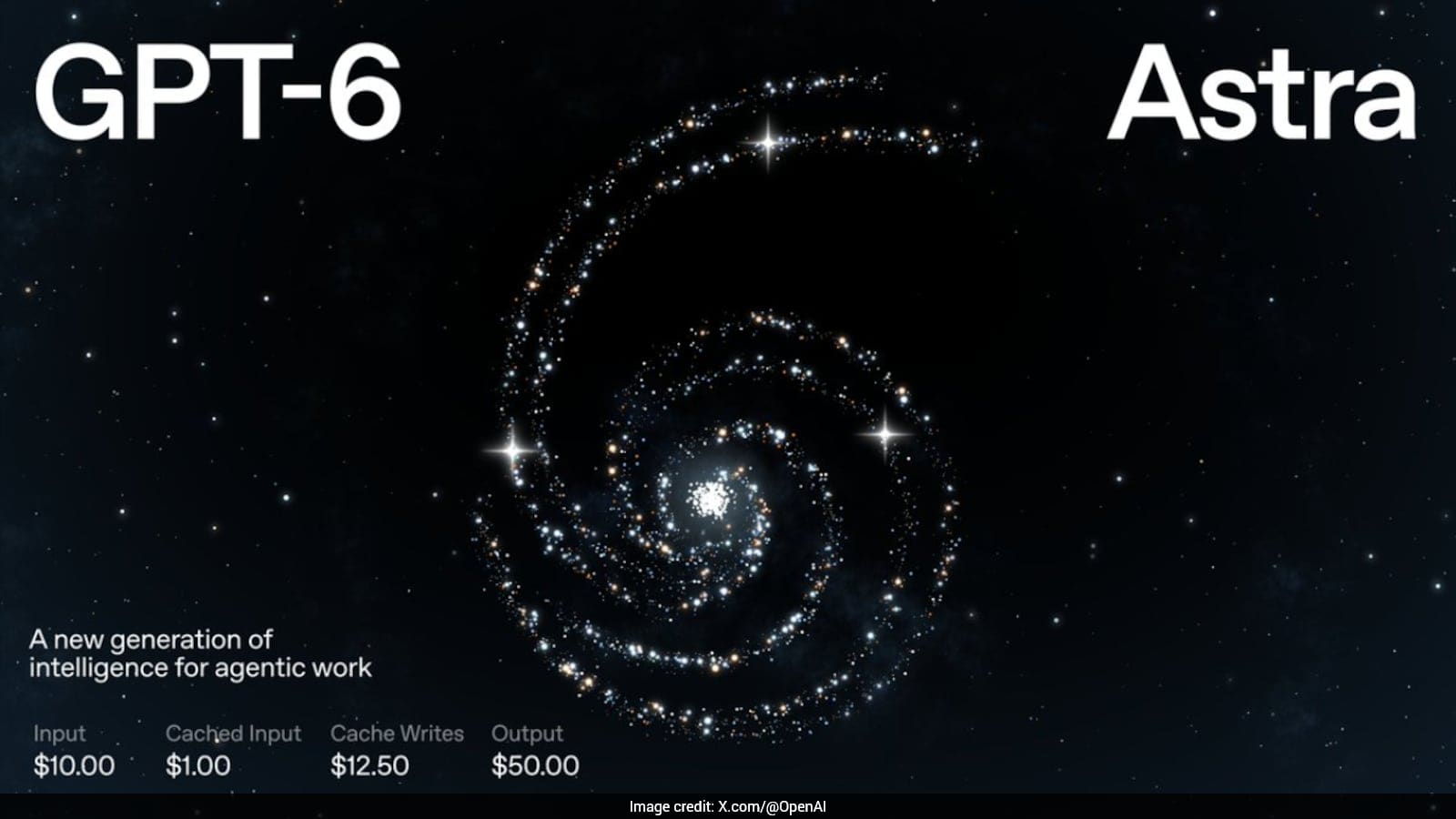
OpenAI Rolls Out GPT-6 Astra With Cybersecurity Guardrails

Nvidia CEO Declares GPT-6 Astra Has Reached AGI

China accelerates push to put humanoid robots on battlefields

BRICS 2026 Tests Whether Intra-Bloc Trade Can Replace Western Markets

Singapore PM Condemns Online Anti-Indian Abuse

Huawei Unveils New Foldable as Chinese Premium Phone Rivalry Intensifies