1 hr ago
Civilians Targeted as Naga-Kuki Violence Escalates in Manipur

Armed groups in Manipur have been attacking people in remote villages.
Many victims were ordinary civilians traveling, working, or visiting family.
At least 23 civilians were killed in one month.
The dead included people from both the Naga and Kuki communities.
Some villages have been burned or abandoned because residents fear more attacks.
Community leaders say security forces have not protected vulnerable areas quickly enough.
The fighting is connected to a longer dispute over land, territory, and political control.
The attacks have also caused revenge killings between the two communities.
Many residents now stay inside villages or leave them for safer places.

At least 23 civilians, including seven women, were killed in Manipur’s hill districts between August 27 and September 27.
The victims included Naga and Kuki villagers attacked while traveling, farming, gathering firewood, or performing other daily activities.
Residents and community leaders accused armed groups from both sides of targeting civilians and criticized slow or inadequate security responses.
The violence followed an August 27 ambush that killed four Naga civilians and triggered further retaliatory attacks.
Villages have been emptied, schools closed, homes and churches burned, and more than 2,000 Kuki civilians reportedly displaced.
- Who
- Naga and Kuki civilians, armed groups from both communities, village leaders, and security forces were involved or affected.
- What
- A surge of armed attacks killed civilians, burned homes and churches, displaced residents, and intensified Naga-Kuki conflict.
- Where
- The attacks took place in Manipur’s hill districts, including Noney, Tamenglong, Kangpokpi, Kamjong, and Ukhrul.
- When
- The reported surge occurred mainly between August 27 and September 27, amid a conflict that began in February.
- Why
- The violence is linked to competing territorial claims, opposition to the Kuki demand for a separate administration, retaliatory attacks, and armed-group control of territory and routes.
Community and Civilian Concerns
Security and Armed-Group Perspectives
Responsibility for attacks
Community and Civilian Concerns
Naga and Kuki leaders accused armed groups from the opposing community of ambushes, killings, arson, and attacks on villages.
Security and Armed-Group Perspectives
The article reports competing allegations involving Kuki armed groups, Naga armed groups, the Kuki National Front (Presidential), and the National Socialist Council of Nagaland (Isak-Muivah), while noting that armed groups on both sides are involved.
Protection of civilians
Community and Civilian Concerns
Residents and community leaders said the governments and security forces had failed to protect villages, responded too slowly, and left civilians to defend themselves.
Security and Armed-Group Perspectives
Former Assam Rifles director general Shokin Chauhan said the presence of armed groups on both sides makes the violence difficult to control and that isolated civilian settlements are being used as soft targets.
Dialogue and conflict resolution
Community and Civilian Concerns
Some residents and leaders have called for government intervention and security deployment to stop attacks and deliver justice.
Security and Armed-Group Perspectives
Naga leader Timothy Wijunamai said there was no current initiative for dialogue and that communities were moving toward direct confrontation, reflecting the broader breakdown in communication.
Key facts
- Civilian deaths
- Twenty-three civilians, including at least seven women, were killed between August 27 and September 27.
- Total deaths
- At least 51 people had been killed in Manipur since the Naga-Kuki conflict began in February.
- Longpi attack
- Three Kuki civilians were killed after militants attacked a group in Longpi village on September 13; one victim was two months pregnant.
- August 27 ambush
- Four Naga civilians traveling toward Senapati were killed and one was injured.
- Displacement
- Kuki Inpi said more than 2,000 Kuki civilians had been forcibly displaced and 29 Kuki villages had been attacked, looted, or burned.
- Infrastructure damage
- Armed Kukis allegedly burned 41 Naga homes and churches in Makui on September 23.
- Security concerns
- Residents and community leaders said security forces were slow to reach vulnerable villages and had not provided adequate protection.
Quotes
Timothy Wijunamai
Leader of the Liangmai Naga Council
“There are thousands of security personnel in the headquarters, be it in Kangpokpi, Senapati, or Tamenglong. Why are they not being deployed in vulnerable areas?”
 scroll.in
“Nobody is there to protect us. No Army, no one from the government. How can we defend ourselves as civilians?”
scroll.in
Sources
Related news

Four Kuki Civilians Killed in Suspected Manipur Militant Attacks
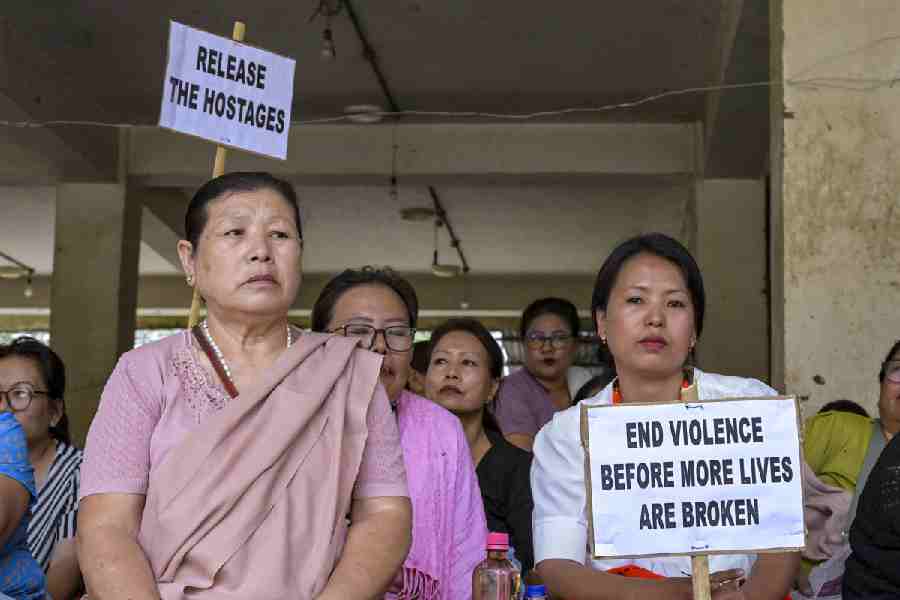
Suspected militants kill two Kuki women in Manipur attack
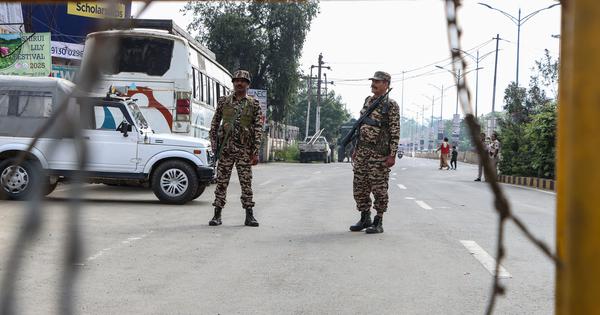
Two Kuki-Zo Women Killed in Suspected Manipur Militant Attack
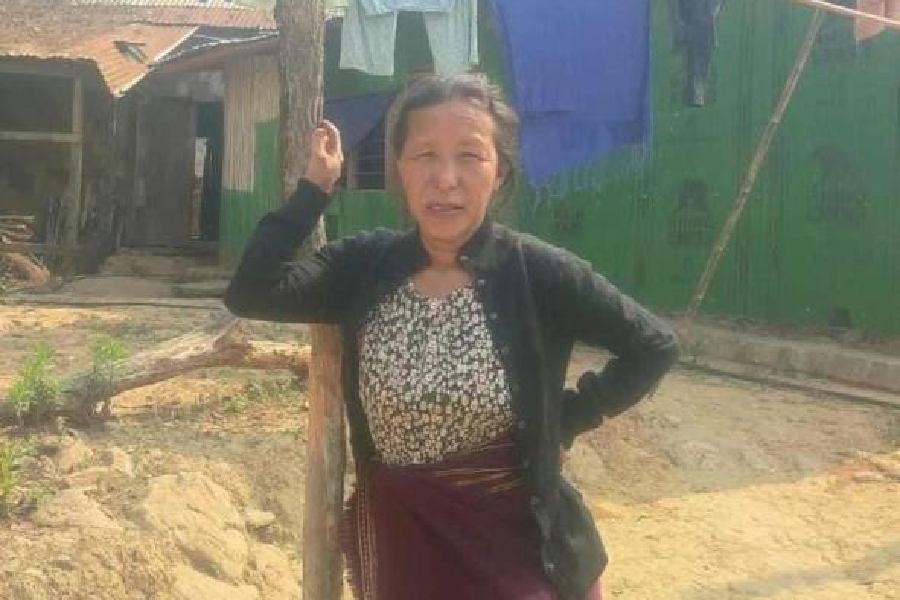
Four Killed, Child Injured in Manipur Kuki Black Day Attacks
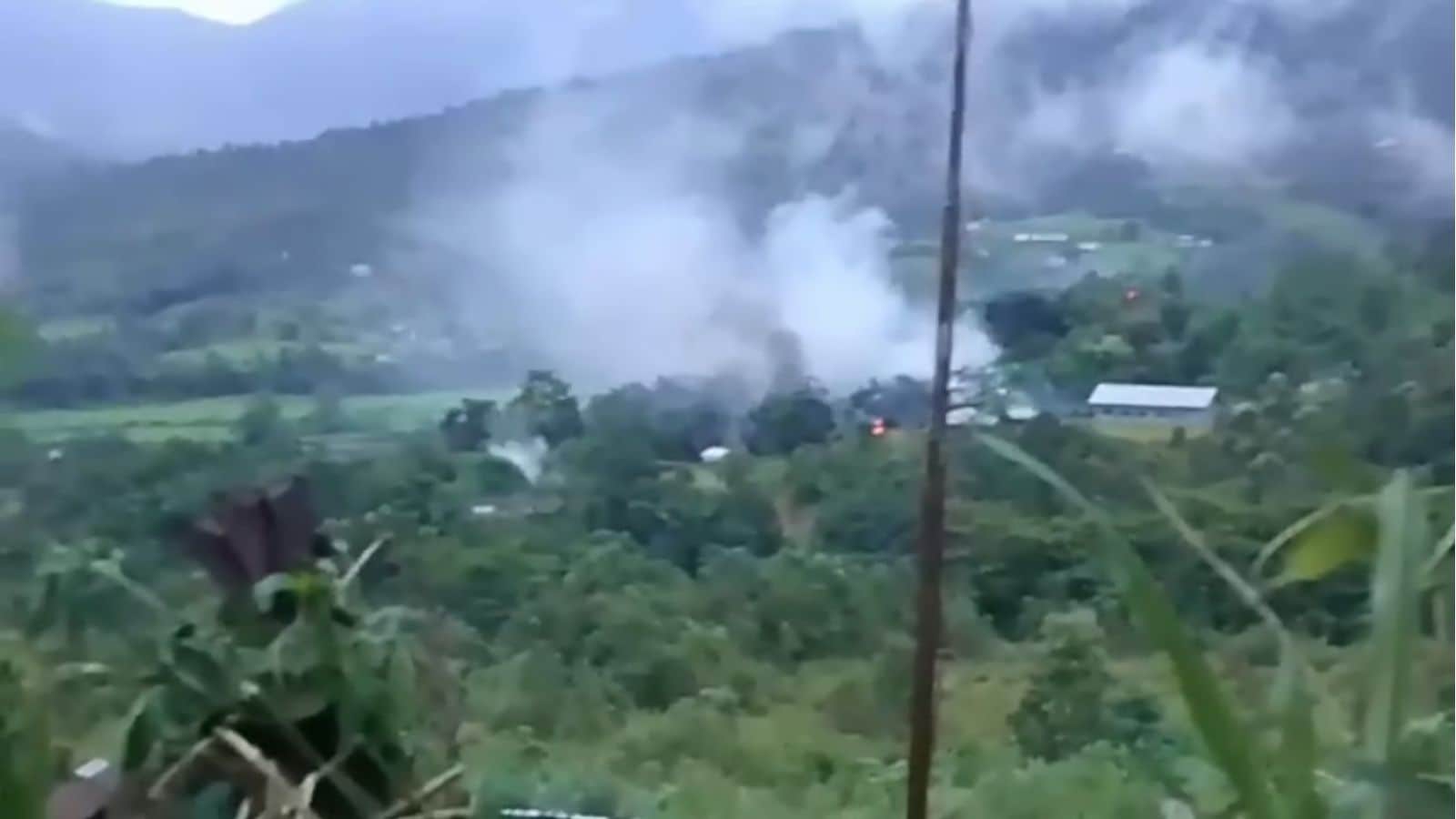
Houses Burned in Alleged Attack on Manipur Naga Villages

Four Naga Civilians Killed Near Manipur’s Myanmar Border

Indian Celebrities Praise Captain After Alleged flydubai Cockpit Attack

Prayers Honor Indian Pilot After Flydubai Cockpit Attack

Grok Translation Turns Flydubai Captain Machchhar Into “Mosquito”

Rahul Gandhi Accuses Modi, Shah, Election Chief of ‘Treason’