1 hr ago
Tamil Nadu’s Quarry Ban Sparks Fight Over Mineral Transport
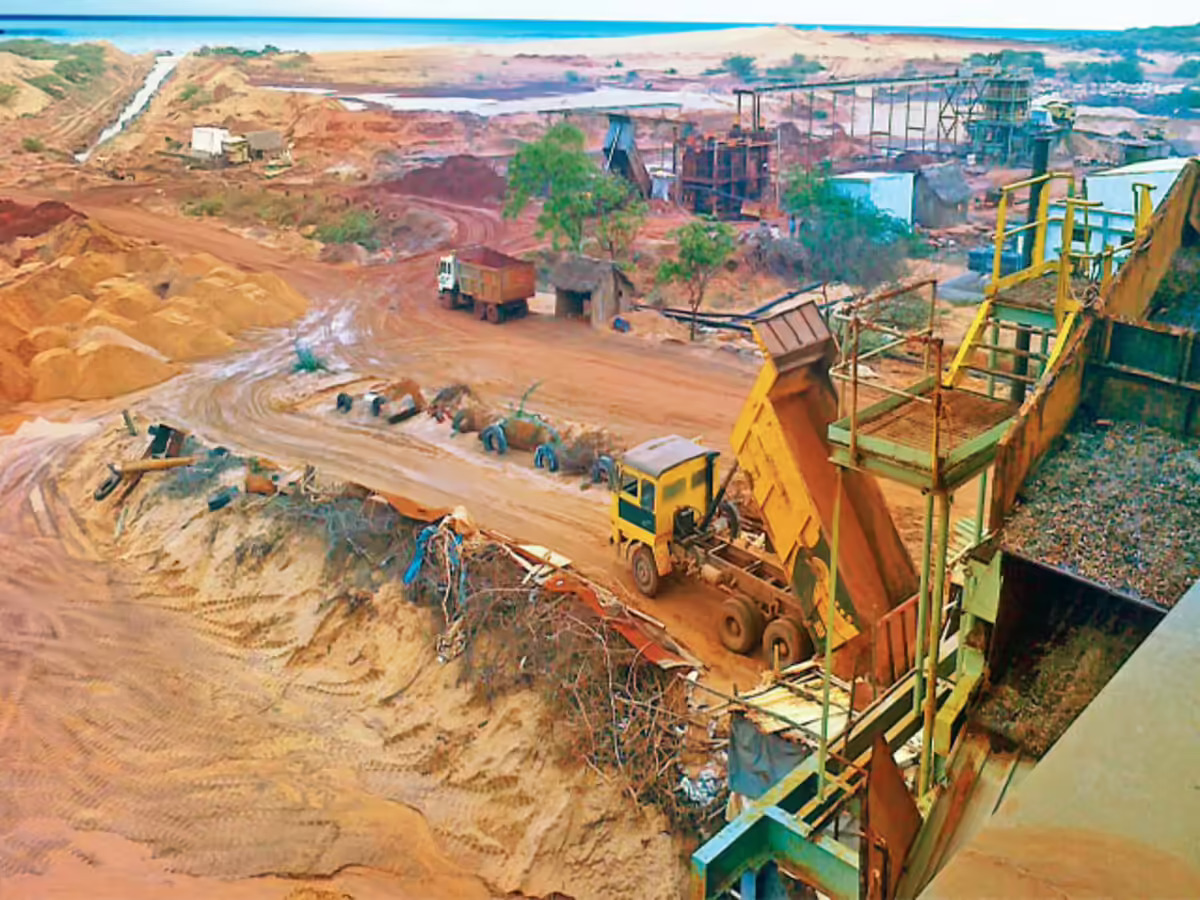
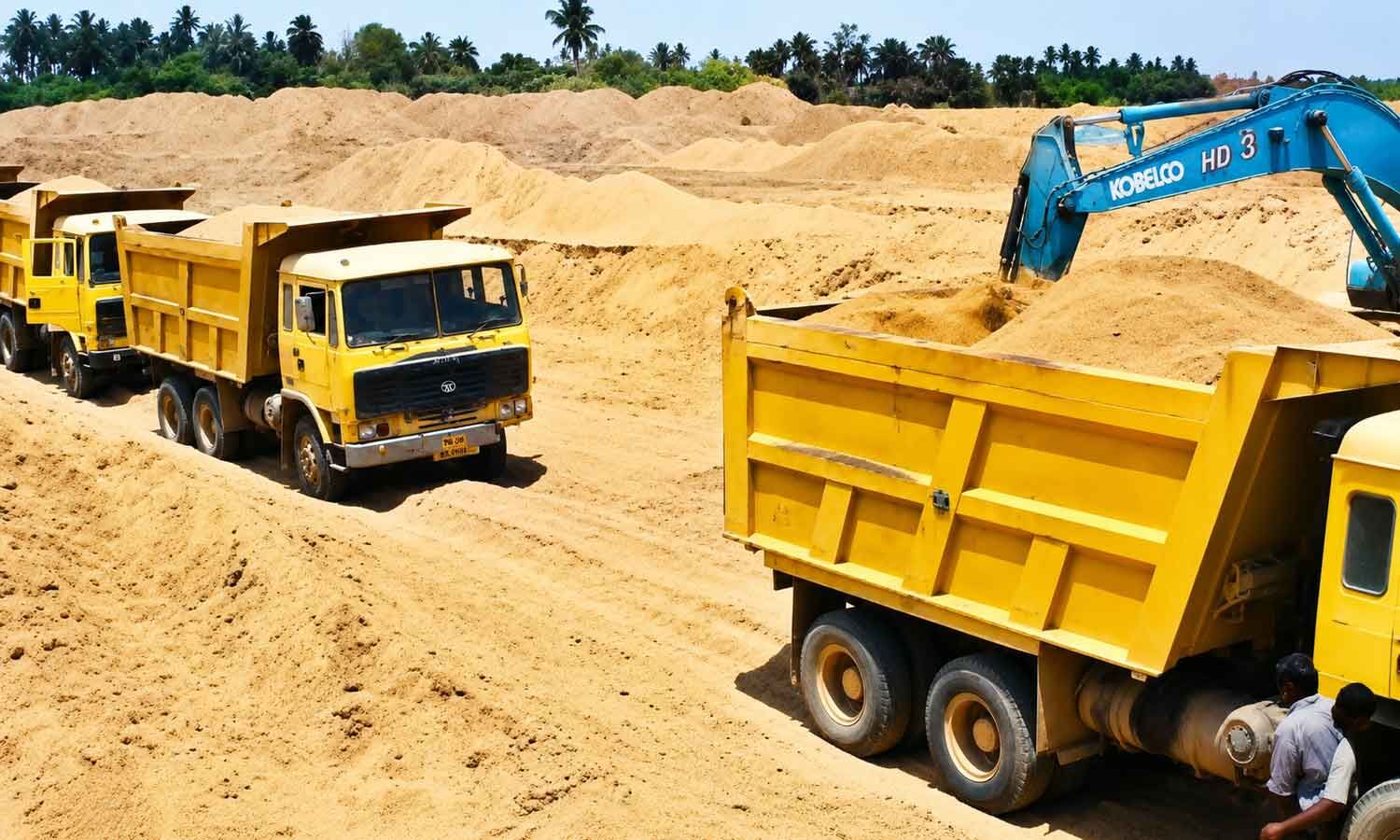
Tamil Nadu temporarily stopped trucks from carrying many kinds of stones and sand to other states.
The government says too much quarrying is damaging hills and nature.
It also says sending materials away has caused shortages and higher prices inside Tamil Nadu.
Heavy trucks have damaged roads and contributed to traffic problems and accidents.
Kerala says it needs these materials for highway and other important construction projects.
Quarry owners and truck operators say the ban is causing financial losses and leaving workers without jobs.
Farmers and environmental groups support the restriction and want it to continue permanently.
They say quarrying has harmed groundwater, farming and local landscapes.
Officials say the temporary ban may be removed after local supplies and demand become stable.

Tamil Nadu imposed an immediate three-month ban on transporting rough stones and related materials to other states.
The government cited environmental damage, local shortages, rising prices, road damage, traffic bottlenecks and accidents.
Kerala Chief Minister V.D. Satheesan asked Tamil Nadu to ease restrictions, warning that highway and other major projects could be delayed.
Quarry operators and truck owners have petitioned the Madras High Court over losses, contracts and job disruptions.
Farmers, environmentalists, local bodies and activists want the ban made permanent to protect water, agriculture and hill ecosystems.
- Who
- The Tamil Nadu government, quarry and truck-owner groups, Kerala officials, farmers, environmentalists, local bodies and social activists.
- What
- Tamil Nadu imposed a three-month ban on inter-state transport of rough stones, crushed stones, M-sand, ballast and related construction materials.
- Where
- The restrictions apply to materials transported out of Tamil Nadu, particularly from southern districts including Tirunelveli, Tenkasi and Kanyakumari.
- When
- The order was issued and took effect on July 27; Kerala’s request followed the next day.
- Why
- The government cited environmental degradation, illegal quarrying, local shortages, higher prices, road damage and safety problems, while critics of the ban cite disruption to construction projects, businesses and jobs.
Supporters of a Permanent Ban
Opponents of the Restrictions
Environmental protection
Supporters of a Permanent Ban
Farmers, environmentalists, local bodies and activists say continuing quarrying has depleted groundwater, damaged agriculture and harmed hills and ecosystems.
Opponents of the Restrictions
Quarry operators and truck owners focus on the economic disruption caused by stopping mineral transport and argue that existing business commitments cannot be fulfilled.
Access to construction materials
Supporters of a Permanent Ban
Supporters say Tamil Nadu’s resources should serve its own infrastructure needs first because outbound shipments have contributed to local shortages and higher prices.
Opponents of the Restrictions
Kerala says it has limited suitable stone aggregates and has long depended on Tamil Nadu supplies for national highway and other infrastructure projects.
Length of the ban
Supporters of a Permanent Ban
Advocates want a permanent restriction, arguing that natural resources are being over-exploited for other states and that the ban has reduced waste dumping and pollution in southern villages.
Opponents of the Restrictions
The government describes the measure as temporary and says it may be withdrawn once domestic shortages are resolved and local demand stabilizes; operators seek relief from the three-month restriction.
Key facts
- Ban duration
- Three months, subject to possible revocation after domestic supply and demand stabilize.
- Effective date
- July 27, with immediate effect.
- Covered materials
- Rough stones, boulders, broken or crushed stones, M-sand, metal jelly, ballast, millstones, hand chakkis, building stones and road construction stones.
- Legal enforcement
- Violations may be prosecuted under Tamil Nadu’s 2011 rules on illegal mining, transportation, storage and mineral dealing.
- Affected Tamil Nadu districts
- The order identified economically exploitable deposits in Kanyakumari, Tenkasi, Theni, Coimbatore, Tiruppur and Krishnagiri.
- Kerala’s concern
- Kerala said restrictions on supplies from Tirunelveli, Tenkasi and Kanyakumari could delay national highway and other strategically important projects.
- Court action
- The Tamil Nadu Quarry, Crusher and Lorry Owners’ Association moved the Madurai bench of the Madras High Court against the ban.
Sources
Related news
Tamil Nadu Quarry Owners Seek End to Inter-State Mineral Ban
Tamil Nadu Considers Exempting Kerala From Construction Material Curbs

Villagers Halt Gravel Trucks Over Safety Risks in Vijayawada
Tamil Nadu Plans Technology-Led Expansion to Boost Mining Revenue

Ramanathapuram Farmers Threaten Protests Over Illegal Sand Mining
Telangana Cracks Down on Sand Overloading With Fines