

20 hrs ago
Chhattisgarh High Court Orders LKG Classes Across Atmanand Schools
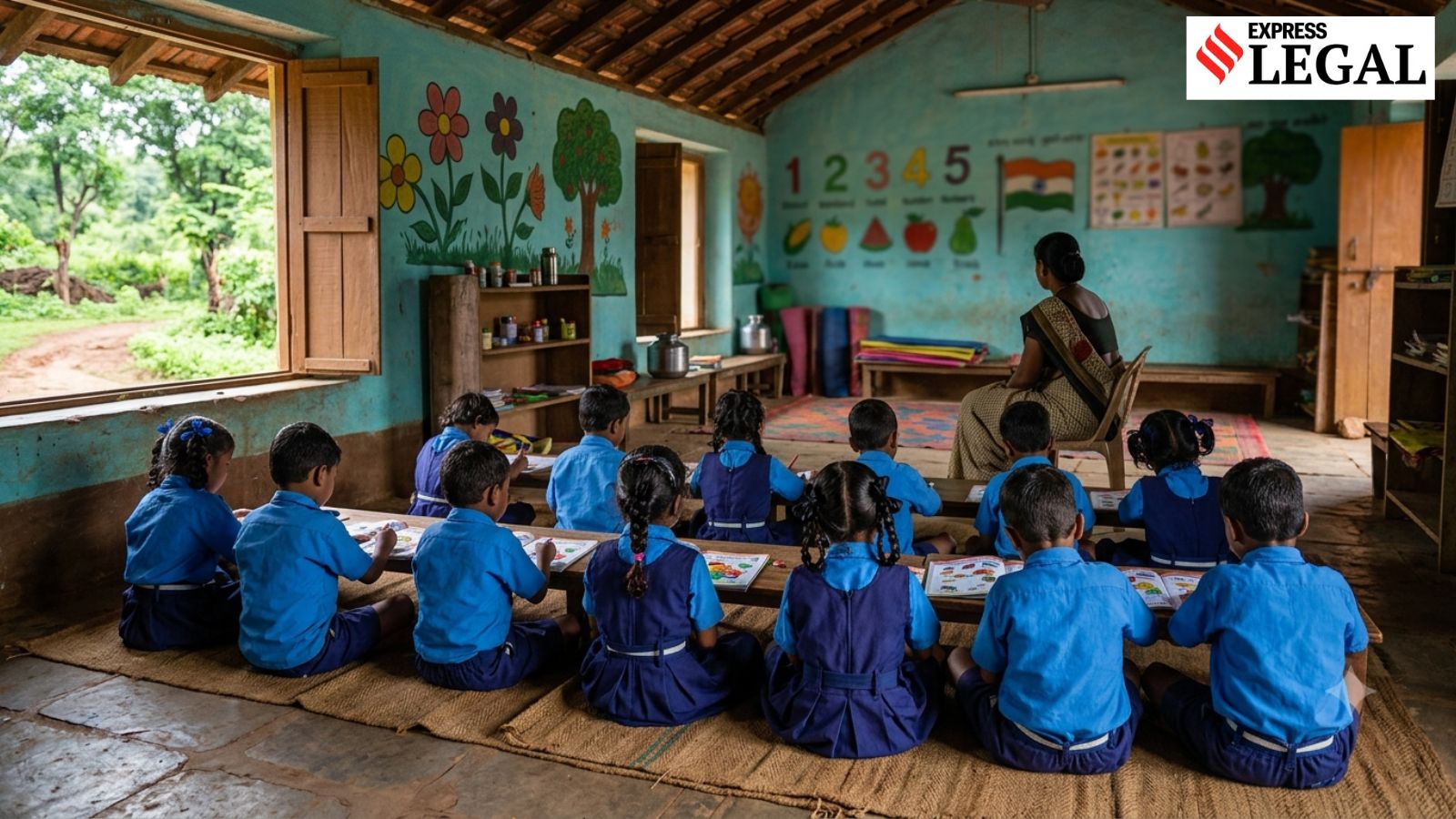
Some parents in Bemetara wanted their children to study in LKG at a Swami Atmanand school.
LKG classes had started in many other districts but not in Bemetara.
The parents said this was unfair because the schools were meant to provide quality English-medium education across the state.
The state said preschool education was not covered by the constitutional right to free and compulsory education for children aged six to 14.
It also said opening LKG classes depended on local needs, infrastructure, and government decisions.
The Chhattisgarh High Court disagreed with denying the facility to one district.
It said children should have equal access to state education programs.
The court ordered the government to start LKG classes across the state and make arrangements within four weeks.

The Chhattisgarh High Court ordered LKG classes to begin across Swami Atmanand schools statewide.
The order specifically includes Swami Atmanand School at Rajamohgaon in Saja block of Bemetara.
The court directed authorities to complete infrastructure and admission arrangements within four weeks.
Petitioners said LKG admissions were available in most districts but not in Bemetara.
The state argued that LKG falls outside Article 21-A and depends on administrative feasibility.
- Who
- The Chhattisgarh High Court, Justice Amitendra Kishore Prasad, the Chhattisgarh government, and 12 residents of Saja in Bemetara.
- What
- The court ordered the government to start LKG classes in Swami Atmanand Excellent English Medium Schools across Chhattisgarh.
- Where
- Across Chhattisgarh, including Rajamohgaon in Saja block of Bemetara district.
- When
- The order was issued on September 22, with implementation directed within four weeks.
- Why
- The court held that a state-wide educational policy could not be implemented selectively or deny one district equal access to the facility.
Petitioners and High Court
State Government
Equal access to LKG education
Petitioners and High Court
The petitioners argued that children in Bemetara should receive the same state-sponsored English-medium education available in other districts. The court held that educational opportunity could not be restricted on a territorial basis.
State Government
The state argued that opening LKG classes depended on local necessity, feasibility, infrastructure, and administrative discretion.
Constitutional protection
Petitioners and High Court
The court linked equal educational opportunity to Articles 14 and 21 and said the state must implement its welfare policy uniformly.
State Government
The state argued that Article 21-A and the Right of Children to Free and Compulsory Education Act, 2009, cover elementary education for children aged six to 14, not preschool LKG education.
Policy implementation
Petitioners and High Court
The court said a policy providing pre-primary English-medium education could not be selectively denied to a particular region or social class.
State Government
The state maintained that courts should generally avoid interfering with policy decisions unless they were manifestly arbitrary.
Key facts
- Court
- Chhattisgarh High Court
- Judge
- Justice Amitendra Kishore Prasad
- Petitioners
- 12 residents of Saja in Bemetara
- Schools
- Swami Atmanand Excellent English Medium Schools
- Deadline
- Infrastructure and admission arrangements must be completed within four weeks
- Reason for dispute
- LKG classes had not begun in Bemetara because authorities cited inadequate infrastructure and budgetary allocation
- Constitutional provisions discussed
- Articles 14, 21, and 21-A of the Constitution of India
Quotes

Chhattisgarh High Court
The court issuing the order through Justice Amitendra Kishore Prasad.
“Both the State Government and the Union of India share a solemn responsibility to ensure non-discrimination in access to public education and to effectively implement the legislative mandate under the Right to Education framework. Furthermore, once the State Government formulates a policy to impart pre-primary education through its institutions, it cannot selectively deny the benefit to a particular region.”
 indianexpress.com
“Equality of educational opportunity is a constitutional guarantee under Articles 14 (right to equality) and 21 (protection of life and personal liberty) of the Constitution of India. Being a Welfare State, the State is expected to frame and execute its policies uniformly across all districts so that benefits reach every section of society rather than being confined to a select few.”
indianexpress.com
Sources
Related news

Telangana High Court Seeks Responses in Three Key Cases
Himachal Pradesh to Remove Caste Column From School Forms

Supreme Court Gives Tamil Nadu Three Months for Navodaya Land
Supreme Court Bars Fresh Assam Teacher Appointments, Absorption

Allahabad HC Denies RTE Exemption to CBSE, CISCE Schools
