1 hr ago
Trump EV Policy Shift Threatens U.S. Auto Factory Jobs
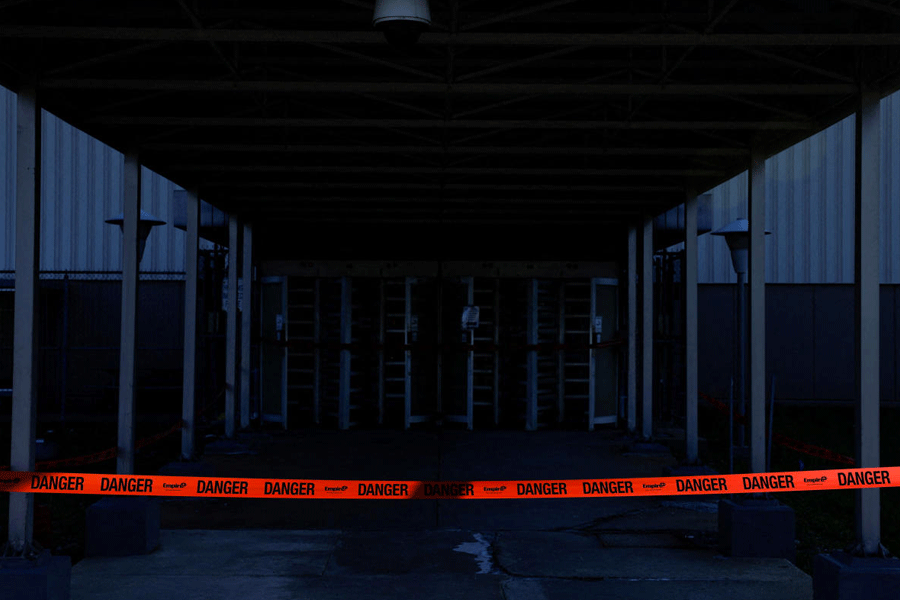
Several U.S. companies built large factories to make electric cars and their batteries.
These factories were expected to create many jobs in places that had lost older auto plants.
Electric-car sales grew more slowly than automakers expected.
Then the federal $7,500 tax credit for buying an electric car ended.
President Donald Trump’s administration also reduced some electric-vehicle rules and promoted gasoline-powered vehicles.
As a result, companies canceled or delayed some battery and electric-car projects.
About 27,000 promised jobs were affected by canceled projects, according to the article’s analysis.
Some factories may make batteries for energy storage instead, but that will not replace all the planned work.
Supporters say people should be free to choose gasoline vehicles, while critics say the changes could leave the United States behind China and Europe in electric cars.

The expiration of the $7,500 EV tax credit contributed to weaker U.S. electric-vehicle demand and factory layoffs.
Reuters analysis found that canceled EV-related projects since January 2025 had promised about 27,000 jobs, mostly in Republican-led states.
Lordstown’s Ultium Cells battery plant laid off hundreds of workers after pausing production, though about 700 have since returned.
Ford plans to convert part of its Kentucky battery complex to energy-storage production, with fewer jobs than originally promised.
Trump administration officials defend the policy shift as supporting consumer choice, gasoline vehicles and broader manufacturing investment.
- Who
- The Trump administration, U.S. automakers, battery manufacturers and workers in affected factories.
- What
- A policy shift away from EV incentives and regulations has contributed to canceled or delayed electric-vehicle and battery projects and threatened about 27,000 promised jobs.
- Where
- Across the U.S. Battery Belt, including Lordstown, Ohio; Glendale, Kentucky; Kokomo, Indiana; and Georgia.
- When
- The reported cancellations and employment effects occurred mainly from January 2025 through 2026; the broader investment boom ran from 2019 to 2024.
- Why
- Automakers cited weaker EV demand, the end of the $7,500 tax credit and changing federal policies, while the administration said it was restoring consumer choice and encouraging broader manufacturing investment.
Critics of the EV Policy Shift
Supporters of the Policy Shift
Jobs and investment
Critics of the EV Policy Shift
Critics say ending EV incentives and changing regulations have undermined factory projects, threatened tens of thousands of jobs and weakened the U.S. industrial base.
Supporters of the Policy Shift
The Trump administration says it is cutting red tape, reducing taxes and securing broader manufacturing investments, while some companies are shifting toward gasoline vehicles and other products.
Consumer choice
Critics of the EV Policy Shift
Critics argue that retreating from EV manufacturing could leave U.S. automakers behind China and Europe as electric-car markets expand there.
Supporters of the Policy Shift
Trump and Republican supporters say previous policies created artificial demand and effectively pressured Americans toward EVs; they frame the rollback as protecting the freedom to choose gasoline-powered vehicles.
Industrial strategy
Critics of the EV Policy Shift
Analysts cited in the article say relying more heavily on gas-powered trucks may produce short-term gains but could leave U.S. manufacturers making vehicles that global consumers increasingly do not want.
Supporters of the Policy Shift
Automakers such as Stellantis say revised regulations better reflect market realities and allow them to offer a range of powertrains, including large gasoline engines, hybrids and EVs.
Key facts
- Canceled project jobs
- About 27,000 promised jobs were tied to projects canceled between January 2025 and August of the reported year.
- Lordstown plant
- Ultium Cells indefinitely laid off about 480 workers and paused work for about 850 others; around 700 later returned.
- Tax credit
- The federal $7,500 electric-vehicle tax credit expired in September before the reported factory fallout.
- Investment decline
- Fresh U.S. EV investment announcements fell to about $6.5 billion, compared with $55 billion at the 2023 peak.
- Auto employment
- U.S. auto-manufacturing employment fell 1.3% to about 963,000 in August, according to federal data.
- Kentucky conversion
- Ford plans to hire 2,100 workers at Glendale for energy-storage batteries, below the originally projected 5,000 jobs.
- Battery Belt exposure
- About 87% of announced EV-related investments were in states won by Trump in 2024, according to the Reuters analysis.
Quotes
Susan Helper
Economics professor at Case Western Reserve University and former Biden industrial-strategy adviser
“Trump is slashing red tape, renegotiating broken trade deals, and cutting taxes to secure trillions in new manufacturing investments – including billions from domestic and foreign automakers.”
 telegraphindia.com
“We're not going to be making the cars that the rest of the world wants, which are electric cars.”
telegraphindia.com
Sources
Related news

Trump May Allow Chinese EV Plants With American Workers

Vance Announces Cleveland-Cliffs’ $1 Billion Ohio Steel Investment
Nvidia CEO Says AI Is Reindustrialising America, Reviving Jobs

Trump Open to Chinese Car Plants as Xi Visits India
VinFast Disputes Report of India EV Production Suspension Plans

Tesla Reportedly Discontinues Solar Roof Tiles Amid AI Power Shift

Kia PV7 Electric Van Revealed Ahead Of 2027 Launch

Skyscanner Index Names World's Most Walkable Emerging Cities

Must-Visit Caves Preserve Ancient Art Across Global Landscapes

Hero Motors IPO Opens Amid Mixed Brokerage Views on Valuation