2 hrs ago
President Returns Bengal Bill Over Preventive Detention Concerns

West Bengal passed a bill about detaining people accused of dangerous or anti-social activities.
The bill would let authorities hold someone for up to one year without a regular conviction.
President Droupadi Murmu sent the bill back after the Union government raised legal concerns.
The government said parts of the bill may overlap with existing national drug laws.
It suggested removing references to offences under the 1985 Narcotic Drugs and Psychotropic Substances Act.
A review board led by a High Court judge would examine each detention within three weeks.
The bill also covers activities such as organised extortion and blocking businesses.
Opposition legislators worry that peaceful protesters and students could be targeted.

President Droupadi Murmu returned West Bengal’s preventive-detention bill after the Union government raised concerns about overlap with central narcotics laws.
The bill would allow detention for up to one year of people considered dangerous or involved in broadly defined anti-social activities.
The Union government said provisions covering drug-related offences could duplicate the central preventive-detention framework.
Detention cases would be reviewed within three weeks by an advisory board led by a serving or former High Court judge.
Opposition MLAs warned that the legislation could be used against peaceful protests and student movements, while Suvendu Adhikari denied it would enable political vendetta.
- Who
- President Droupadi Murmu, the Union government, the West Bengal Assembly, and West Bengal authorities are involved.
- What
- The president returned a bill proposing preventive detention for up to one year for people classified as involved in anti-social activities.
- Where
- West Bengal, India.
- When
- The West Bengal Assembly passed the bill on June 30; the president’s return was reported on Friday.
- Why
- The Union government said provisions concerning drug-related offences could overlap with and conflict with existing central preventive-detention laws.
Government rationale
Opposition concerns
Need for preventive detention
Government rationale
The proposed law targets people considered desperate and dangerous to the community and covers organised extortion, obstruction of business, and other acts that create public fear or insecurity.
Opposition concerns
Opposition MLAs said the legislation could be used to curb peaceful protests and student movements.
Drug-related provisions
Government rationale
The Union government said references to drug offences should be removed because they may duplicate the central preventive-detention framework and create inconsistencies between state and central laws.
Opposition concerns
The bill’s broader definition of anti-social activity includes people who commit, attempt, abet, promote, finance, or facilitate offences under the 1985 narcotics law, raising concerns about overlapping powers.
Political use of the law
Government rationale
Suvendu Adhikari said the legislation would not be used for political vendetta.
Opposition concerns
Opposition legislators raised concerns that the law could be applied against political protesters and student movements.
Key facts
- Bill
- Public Safety and Control of Anti-Social Activities Bill
- Assembly passage
- Passed by the West Bengal Assembly on June 30
- Maximum detention
- Up to one year
- Review period
- Each detention case would be reviewed within three weeks
- Review body
- An advisory board headed by a serving or former High Court judge
- Issuing authorities
- A district magistrate, police commissioner, or state-authorised police officer of at least deputy inspector general rank
- Central concern
- Possible overlap with the Narcotic Drugs and Psychotropic Substances Act, 1985, and the Prevention of Illicit Traffic in Narcotic Drugs and Psychotropic Substances Act, 1988
Sources
Related news

President Returns Bengal Anti-Goonda Bill Over Drug-Law Overlap
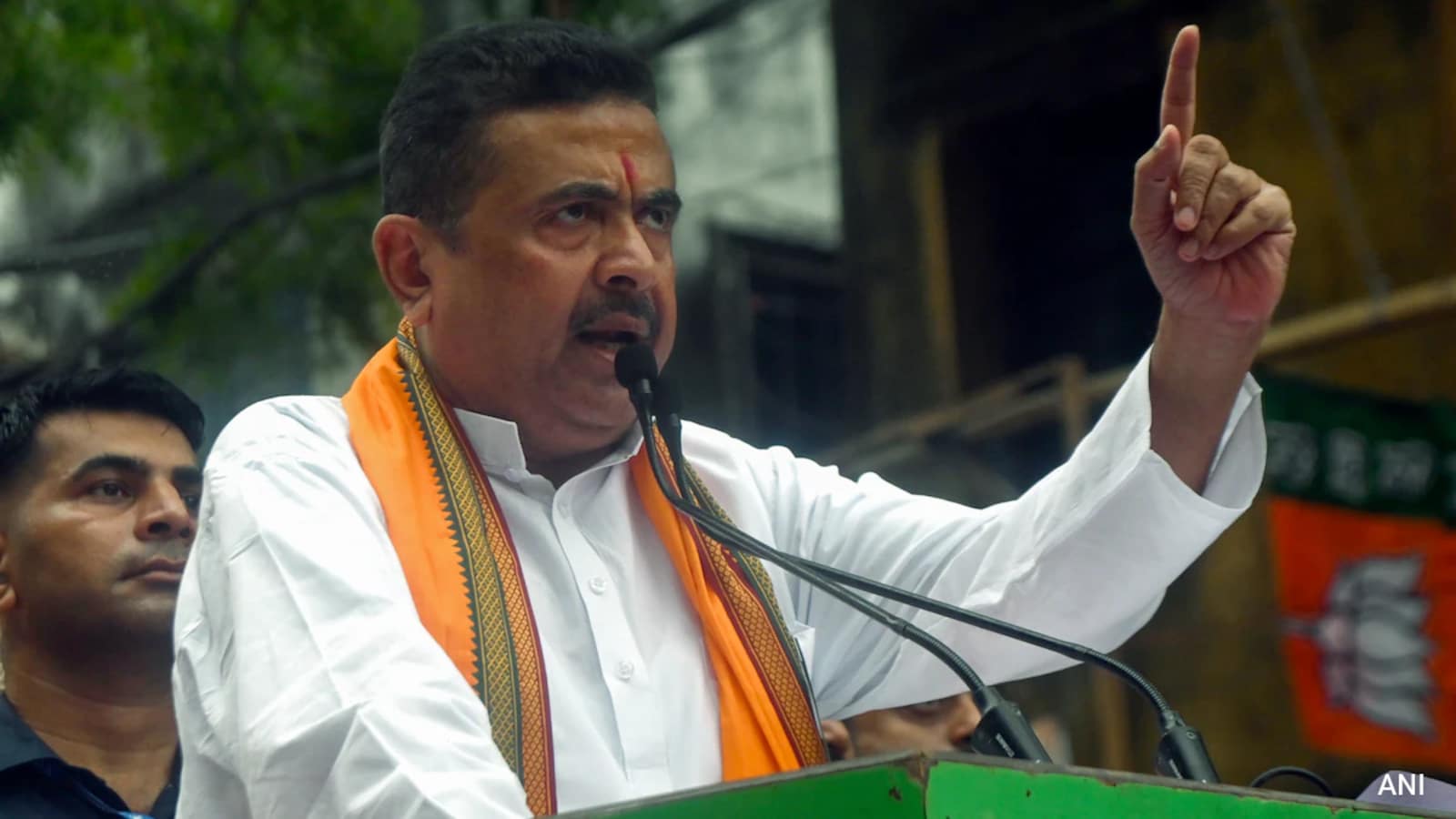
West Bengal Plans Anti-Extortion Law, Including Police Accountability
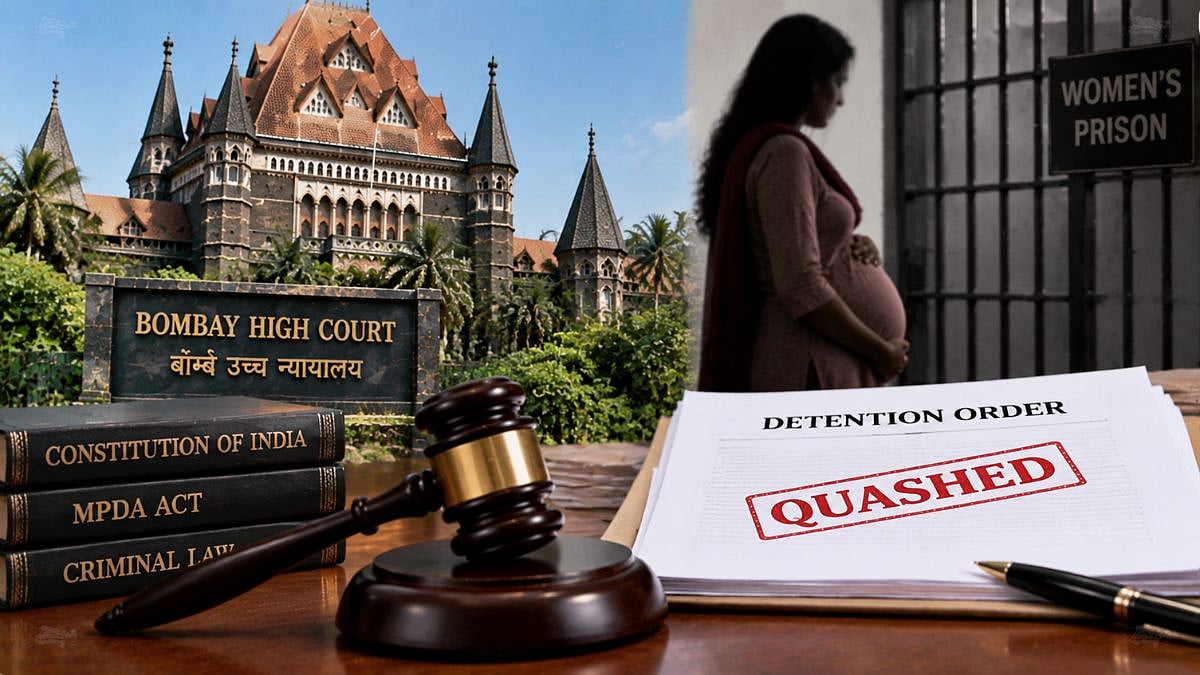
Bombay High Court Quashes Pregnant Woman’s MPDA Preventive Detention
High Court Quashes Preventive Detention Over Bovine Transport Allegations

Jammu and Kashmir High Court Quashes Detention Over Facebook Post

West Bengal Announces Zero Tolerance After Destroying Banned Cough Syrups

Tukaram Mundhe Warns Bollywood as Food Safety Crackdown Intensifies

Murmu Hails India’s Men’s Badminton Team After Bronze

President Murmu Hails Indian Asian Games Medal Winners