

1 hr ago
Iran’s Uranium Capacity Remains Uncertain After US-Israeli Strikes
Before the attacks, Iran had uranium that was enriched to a high level.
The IAEA estimated that Iran had 440.9 kilograms of it.
Israel and the United States bombed several Iranian nuclear sites in a 12-day campaign.
The attacks destroyed one enrichment plant and badly damaged two others.
Iran has not told inspectors how much of its uranium survived or let them return to the damaged sites.
The IAEA believes some highly enriched uranium remains in tunnels near Isfahan and at Natanz.
Iran is not known to be enriching uranium right now.
But experts do not know where all its machines are, or how quickly Iran could restart enrichment.
The United States says Iran must meaningfully reduce its enrichment capacity.

Before the strikes, Iran had 440.9 kg of uranium enriched to up to 60% purity, according to the IAEA.
Israel and the United States struck Iran’s nuclear facilities in a 12-day campaign beginning June 13 of the previous year.
The IAEA says the above-ground enrichment plant at Natanz was destroyed; two other operating plants were badly damaged and are believed to be out of action.
Iran has not reported how much enriched uranium survived or allowed inspectors back to the bombed sites; the IAEA believes a little over 200 kg of 60%-enriched uranium remains in Isfahan’s tunnels, with some also at Natanz.
Iran is not known to be enriching uranium now, but its centrifuge numbers and locations are unknown, and the surviving stock could potentially be enriched further.
- Who
- Iran, the United States, Israel, and the International Atomic Energy Agency (IAEA).
- What
- Iran’s uranium enrichment stocks, damaged facilities, and uncertain capacity to restart enrichment.
- Where
- Iran, including nuclear sites at Natanz, Fordow, and Isfahan.
- When
- The strikes began June 13 of the previous year; the report was published October 7.
- Why
- The issue is central to US demands that Iran meaningfully reduce its enrichment capacity; the United States and Israel said Iran was approaching the ability to produce a nuclear weapon.
US and allied concerns
IAEA findings and uncertainties
Risk posed by enrichment
US and allied concerns
The United States and Israel argued Iran was getting too close to being able to produce a nuclear weapon; the United States says Iran must meaningfully reduce its enrichment capacity.
IAEA findings and uncertainties
The IAEA said it had no credible indication of a coordinated weapons programme, while expressing serious concern about Iran’s enrichment level and the quantity produced.
Civilian justification
US and allied concerns
The United States and its European allies say there is no civil justification for enriching uranium to this level.
IAEA findings and uncertainties
The articles report the IAEA’s serious concern about the enrichment level and quantity, but do not state that the agency concluded Iran had a coordinated weapons programme.
Key facts
- Uranium stock before strikes
- The IAEA estimated 440.9 kg enriched to up to 60% purity.
- Potential weapons quantity
- The IAEA yardstick says that stock could provide enough material for 10 nuclear weapons if enriched further.
- Strike campaign
- A 12-day US-Israeli campaign began on June 13 of the previous year.
- Facilities struck
- Three operating enrichment facilities were destroyed or badly damaged.
- Estimated remaining stock
- The IAEA believes a little more than 200 kg enriched to up to 60% remains in Isfahan’s tunnel complex, with some also at Natanz.
- Current enrichment
- Iran is not currently known to be enriching uranium.
- Centrifuge information
- The number and whereabouts of Iran’s centrifuges are unknown to the IAEA.
- Inspection access
- Iran has not allowed IAEA inspectors to return to the bombed sites.
Sources

Related news

Vance Says Iran Must Cut Enrichment to End War
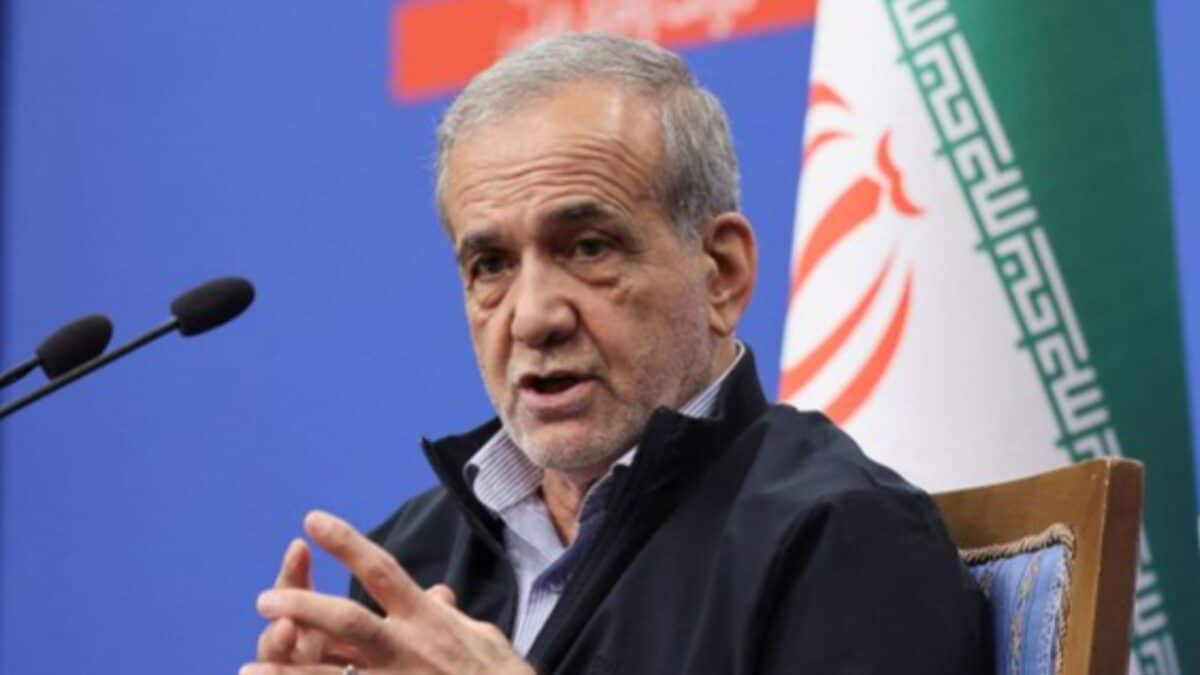
Iranian President Rejects Nuclear Bomb Ambitions, Offers International Verification

Iran Seeks June Ceasefire Revival, Offers Nuclear Concession Before Midterms
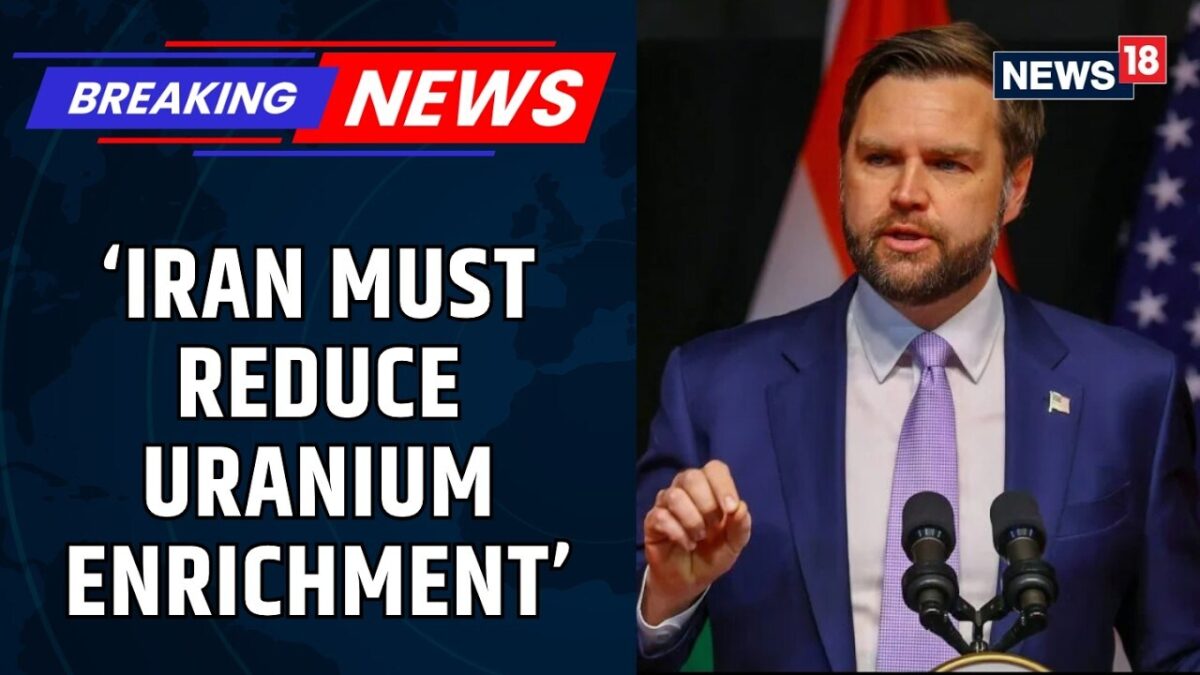
Vance Says Iran Must Cut Enrichment To End War
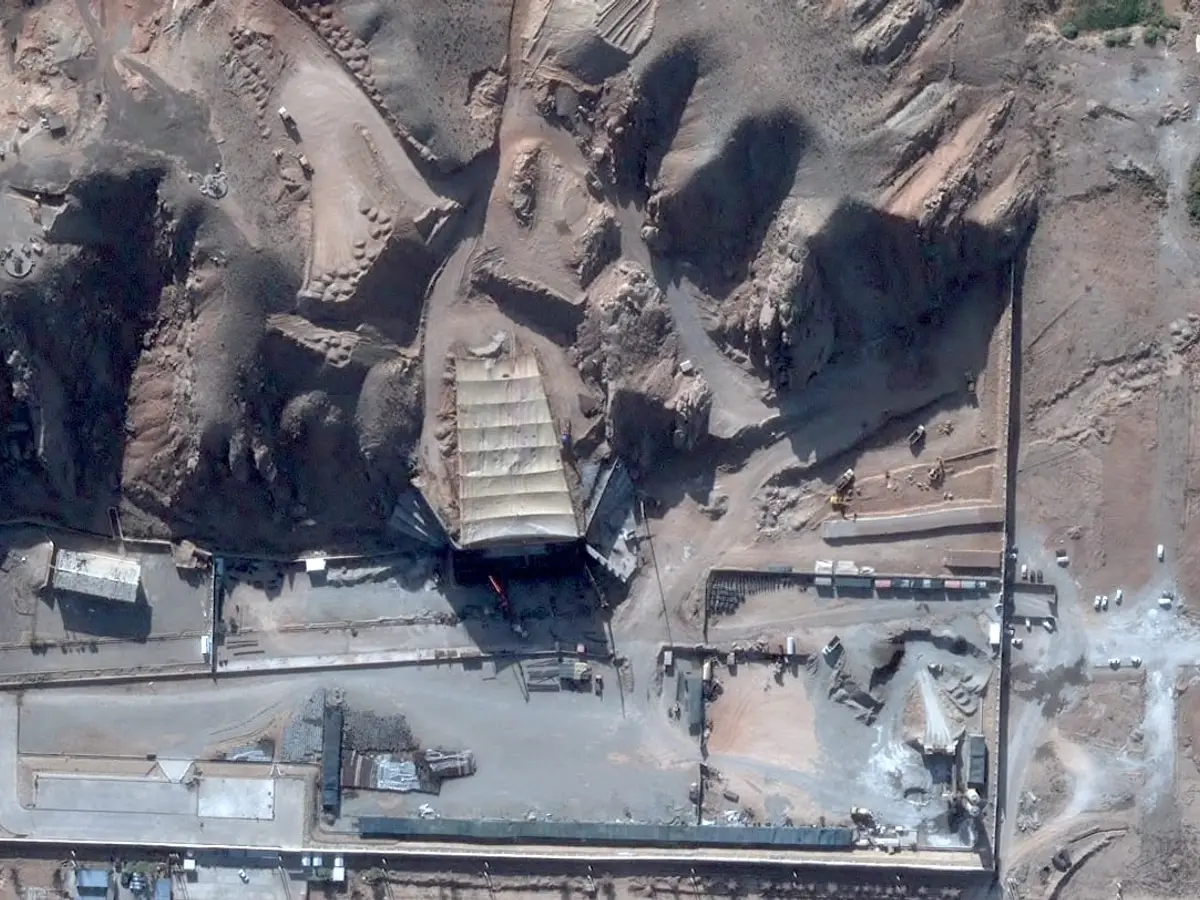
Satellite Images Suggest Iran Rebuilding Bombed Parchin Nuclear Facility
Iran Considers NPT Exit, Says Uranium Enrichment Will Continue
Iran War Rhetoric Clashes With Signs of Prolonged Conflict
Construction Surges at Iran’s Pickaxe Nuclear Site Amid War
Iran and US Trade Vessel Strikes Around Strait Hormuz

What Pickaxe Mountain Is and Why Trump Threatens It
