1 day ago
Treasury Yield Fears Meet Resilient US Stocks and Earnings
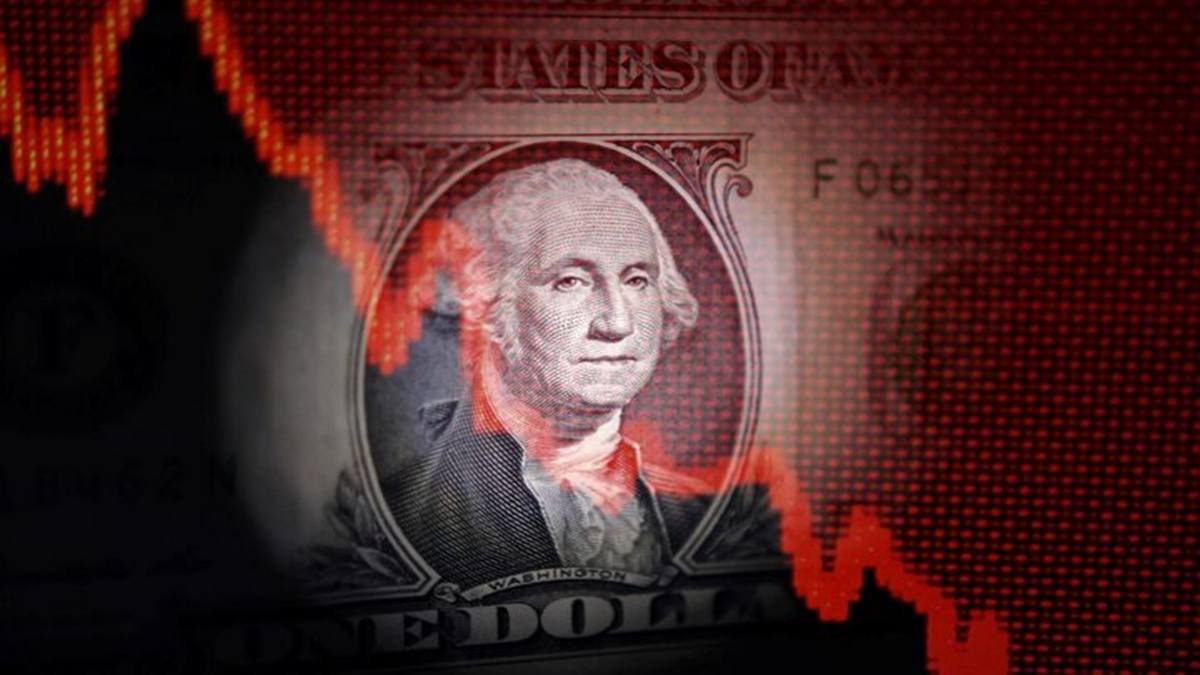
When government bond yields go up, investors may be less willing to pay high prices for stocks.
Earl Davis thinks the yield on 30-year US government bonds could reach 6%.
Fidelity’s Jurrien Timmer says that could push stock valuations lower.
He estimates that a 6% 10-year yield could point to a lower price-to-earnings ratio than today’s.
That could mean a valuation drop of about 20%, but it does not automatically mean stocks will fall by that much.
Timmer says growing company profits could help make up for lower valuations.
Stocks have kept rising, supported by strong earnings and economic growth.
The article says investors are watching to see whether those supports continue.

BMO Global Asset Management’s Earl Davis said the 30-year US Treasury yield reaching 6% was “inevitable,” potentially within October.
The 30-year yield was reported at 5.67%, while the 10-year yield hovered around 5.32%.
Fidelity’s Jurrien Timmer said rising yields could reduce stock valuations, with a 10-year yield of 6% implying a P/E near 16x under the Fed model.
Timmer estimated that a fall from the current 19–20x P/E to 16x would mean about a 20% valuation reduction, though earnings growth could offset some of it.
Stocks remained near record highs as strong earnings expectations and US economic growth supported the market, despite concerns about higher yields and elevated valuations.
- Who
- Earl Davis of BMO Global Asset Management and Jurrien Timmer of Fidelity Investments discussed the risks; US stock investors are affected.
- What
- Analysts warned that rising Treasury yields could pressure stock valuations, while earnings and economic growth have supported stocks.
- Where
- The United States financial markets.
- When
- The article describes recent yield moves and says Davis sees the 30-year yield crossing 6% potentially within October; no year is specified.
- Why
- Higher yields can reduce the present value of future company earnings and weigh on stock valuations; strong earnings and GDP growth may cushion the impact.
Reasons for concern
Reasons for resilience
Rising bond yields
Reasons for concern
Davis expects the 30-year Treasury yield to reach 6%, and Timmer warns that higher yields could reduce stock valuations.
Reasons for resilience
The article says rising yields have so far had a muted impact on stocks, which remain near record highs.
Valuation risk
Reasons for concern
The article notes the Shiller P/E has surpassed 40, and Timmer’s scenario implies about a 20% valuation reduction.
Reasons for resilience
Timmer says current forward P/E measures do not indicate a bubble and argues that growing earnings can cushion valuation declines.
Potential market decline
Reasons for concern
Timmer says a continuing bond bear market could bring a milder repeat of the 2022 valuation-driven decline.
Reasons for resilience
Timmer says double-digit earnings growth—and, in his example, 30% growth—could limit the price damage.
Key facts
- 30-year Treasury yield
- Reported at 5.67%, after reaching 5.7%; up 0.42 percentage points over the prior month.
- Davis’s forecast
- Earl Davis called a 6% 30-year Treasury yield “inevitable” and said it could happen within October.
- 10-year Treasury yield
- Around 5.32%, after touching 5.35%; described as near its highest level since 2002.
- Valuation scenario
- Timmer said a 6% 10-year yield suggests a P/E ratio of 16x under the Fed model, versus a current 19–20x.
- Potential valuation change
- A four-point P/E decline would represent about a 20% valuation reduction, according to the article.
- Earnings growth
- S&P 500 earnings per share rose 51% year over year in the second quarter and 26% over the past four quarters.
- Market context
- The Nasdaq Composite and S&P 500 were described as near all-time highs.
Quotes
Jurrien Timmer
Director of Global Macro at Fidelity Investments
“In terms of valuation, the forward cap-weighted P/E ratio is now a mere 19.7x, and the equal-weighted index is an even more modest 17.3x. Whatever you want to call this cycle, it isn’t a bubble. Bubbles are all about valuation, and what we have now is the opposite of the first two years of this cyclical bull, when multiples boomed while earnings lagged.”
 financialexpress.com
“earnings are booming.”
financialexpress.com
Sources
Related news

Why 6% Could Become the Next Treasury Yield Threshold

Experts Warn Higher Bond Yields Could Pressure Equity Markets

Treasury Yields Climb as Stocks Rise on Tech Gains

Yields Ease as AI Optimism Pushes Stocks to Records

Rising Bond Yields Put AI-Driven Equity Boom to Test

Treasury Yields Hit 19-Year High as Stocks Tumble

World’s Ten Richest Women Control $886 Billion

Midterm Elections Could Test the Stock Market’s AI Rally

NSE IPO Listing Tomorrow After Rs 6,746 Crore Anchor Raise

LIC Leads NSE IPO Bidding as Institutional Demand Surges