

1 week ago
Why 6% Could Become the Next Treasury Yield Threshold

The United States lends money to investors through Treasury bonds.
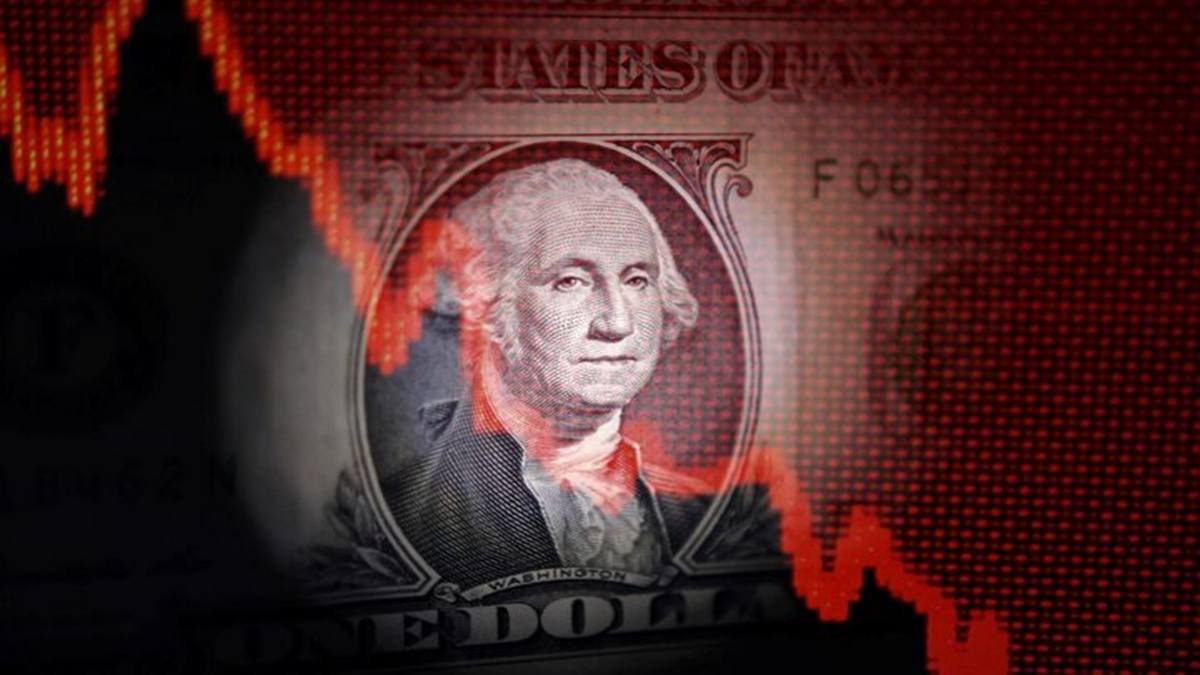
The interest rate on a 10-year Treasury bond recently rose above 5%.
Some investors are now wondering whether 6% could become the next level that worries markets.
Higher rates can make bonds more attractive than stocks.
They can also make it more expensive for companies and governments to borrow money.
Some analysts think the economy may be able to handle rates between 5.5% and 6% better than it did in the past.
Other investors warn that stock prices could fall if high rates last and people recalculate company values.
Higher United States rates can also pull money away from emerging markets.

The United States 10-year Treasury yield briefly moved above 5% this month.
Some analysts say stock markets could withstand yields of 5.5% to 6% because economic growth is less interest-rate sensitive.
A sustained move to 6% could reflect higher inflation expectations, fiscal concerns, or prolonged elevated interest rates.
Historical evidence links sharp increases in Treasury yields with major stock-market declines, although the relationship is not automatic.
Higher yields are already contributing to outflows from emerging-market bond and equity funds, though some investors remain constructive.
- Who
- Investors, stock markets, emerging-market economies, Federal Reserve policymaker Austan Goolsbee, and analysts from BlueBay Asset Management, JPMorgan, Invesco, Allspring Global Investments, and Premier Miton.
- What
- The 10-year Treasury yield's move above 5% has prompted debate over whether 6% could become the next important market threshold.
- Where
- The development centers on the United States Treasury market and its effects on global financial markets.
- When
- The latest move occurred in September 2026; the article was published September 23, 2026.
- Why
- Higher yields can raise borrowing costs, strengthen the dollar, make bonds more attractive, and pressure stock and emerging-market valuations.
Higher Yields May Be Absorbable
Higher Yields Could Trigger Market Stress
Where the breaking point lies
Higher Yields May Be Absorbable
JPMorgan said structural changes, including greater roles for artificial intelligence, healthcare, and services, may make the traditional interest-rate channel less binding and push the stock-market threshold toward 5.5% to 6%.
Higher Yields Could Trigger Market Stress
Other analysts warn that a sustained rise could force investors to recalculate long-term profits and valuations, potentially causing stocks to fall.
Current market condition
Higher Yields May Be Absorbable
Allspring's Alison Shimada said conditions were not going horribly wrong and remained constructive for emerging markets.
Higher Yields Could Trigger Market Stress
Invesco's Paul Jackson is reducing stock exposure and increasing government-bond holdings, while emerging-market funds have experienced notable outflows.
Meaning of 6% yields
Higher Yields May Be Absorbable
A 6% yield is not necessarily an automatic trigger for turmoil because the relevant measure is its relationship with other assets, especially stock earnings yields.
Higher Yields Could Trigger Market Stress
A move to 6% could signal higher inflation expectations, concerns about United States fiscal sustainability, or the end of abundant liquidity and ultra-cheap money.
Key facts
- Recent yield move
- The 10-year Treasury yield briefly exceeded 5% in September 2026.
- Potential threshold
- JPMorgan cited views that stock-market stress could begin in the 5.5% to 6.0% range.
- Current 12-month average
- The 10-year yield's 12-month average was approximately 4.34%.
- Historical comparison
- The 10-year yield previously approached 6.8% before the dotcom bubble burst, according to the article.
- Stock-market risk
- Paul Jackson said global stocks historically began to decline when the yield averaged 4.72% for 12 months and then rose.
- Treasury market size
- The Treasury market is valued at approximately $29 trillion.
- Emerging markets
- The article reported the biggest emerging-market bond-fund outflow in months during the previous week, along with withdrawals from equity funds.
Quotes
Paul Jackson
Global head of asset allocation research at Invesco
“People think of it as if there's a magic number for Treasury yields at which it becomes a problem, (but) it's a relative number, not an absolute number”
 thehindubusinessline.com
“If Treasury yields keep rising then there is a risk that the stock market is lower in 12 months' time”
thehindubusinessline.com
Sources
Related news

Experts Warn Higher Bond Yields Could Pressure Equity Markets

10-year Treasury Yield Breakout Could Pressure Stocks and AI Trade
Treasury Yield Fears Meet Resilient US Stocks and Earnings

U.S. 10-Year Treasury Yield Briefly Tops Key 5% Level

US 10-Year Treasury Yield Reaches 5% Ahead of Fed Decision

US Treasury Yields Top 5% Amid Global Bond Market Strain

Titan and Prime Focus Fall as Other Stocks Climb

AI Boom Gets Partial Blame for Rising US Bond Yields
JPMorgan Names Four Pharma Picks, Torrent Leads Upside

Jamie Dimon Says Mythos Increased AI Cyber Risks Tenfold

DayOne Files Registration Statement for Proposed US Initial Public Offering
