1 week ago
Volkswagen Customs Case Returns to Square One, Broader Stakes
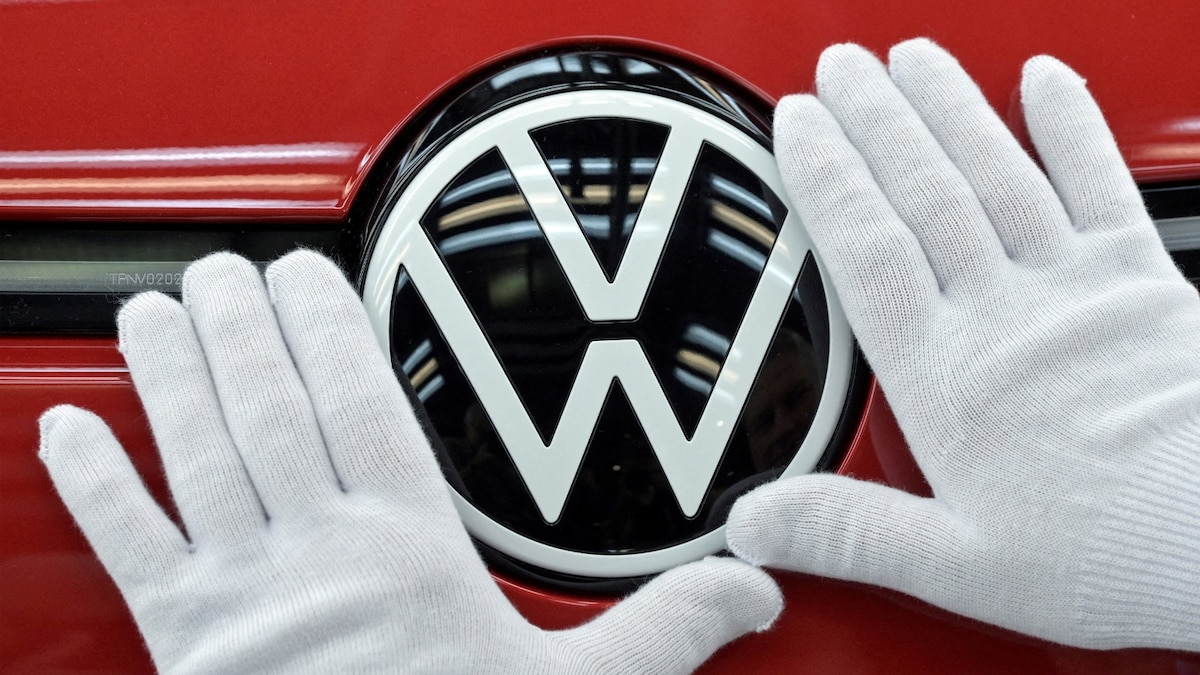
Skoda Auto Volkswagen India is fighting a very large customs bill in India.
Customs says the company imported almost-complete cars in separate shipments and should have paid higher duties.
The company says it imported individual parts and followed the law.
The Bombay High Court had heard the case but did not issue a decision.
The petition will now go to another bench that handles indirect-tax cases.
The court ordered the current situation to remain unchanged for four weeks.
The court may first decide whether the customs notice came too late.
A later decision may also determine whether parts shipped separately can legally count as a vehicle kit.

The Bombay High Court released Skoda Auto Volkswagen India’s petition without ruling on its ₹11,526 crore customs demand.
The case concerns about 33,000 transactions at the company’s Chhatrapati Sambhajinagar plant between March 2012 and July 2024.
Customs argues that separately imported parts collectively constituted completely knocked down vehicle kits subject to higher duties.
The company says it lawfully imported parts, relied on a 2011 clarification, and that the 2024 notice was issued too late.
The case could affect other industries using provisional assessments for modular imports, including electronics, pharmaceuticals and medical equipment.
- Who
- Skoda Auto Volkswagen India and Indian customs authorities are the main parties; Kia India faces a related customs notice.
- What
- The Bombay High Court did not rule on a ₹11,526 crore customs demand and sent the petition to another indirect-tax bench.
- Where
- The dispute concerns imports through the company’s Chhatrapati Sambhajinagar plant and proceedings before the Bombay High Court.
- When
- The show-cause notice was issued in September 2024; judgment had been reserved on April 28, 2025, after arguments concluded.
- Why
- Customs says separately shipped components collectively amounted to completely knocked down vehicle kits, while the company says they were imported as individual parts and the notice was time-barred.
Skoda Auto Volkswagen India’s position
Customs department’s position
How the imports should be classified
Skoda Auto Volkswagen India’s position
The company says it imported parts as parts and complied with Indian law, relying in part on a 2011 clarification.
Customs department’s position
Customs says parts arriving in separate consignments through different ports collectively amounted to vehicles in completely knocked down form and should face the higher duty rate.
Whether the demand came too late
Skoda Auto Volkswagen India’s position
The company argues that the assessments were never finalised and that a notice issued 12 years later is time-barred.
Customs department’s position
The department maintains that the law was clear and that some companies classified their completely knocked down imports incorrectly.
Wider effect of the classification argument
Skoda Auto Volkswagen India’s position
The company’s challenge leaves open whether customs can reassess long-standing provisional assessments across the sector.
Customs department’s position
The department’s approach could apply to modular imports beyond cars, including plant and machinery, telecom equipment and medical systems.
Key facts
- Customs demand
- ₹11,526 crore, described in the article as about $1.4 billion.
- Transactions covered
- Approximately 33,000 transactions.
- Assessment period
- March 2012 through July 2024.
- Show-cause notice
- Issued in September 2024.
- Duty distinction
- Fully built cars attract duties above 100%; completely knocked down kits attract 30% to 35%; loose components attract less.
- Current court direction
- Status quo was ordered for four weeks.
- Related case
- Kia India received a ₹1,356 crore notice over the Carnival from Chennai Customs in April 2024.
Sources
Related news

Bombay High Court to Rehear Volkswagen’s $1.4 Billion Tax Challenge

Supreme Court Quashes Tata Steel’s ₹890 Crore GST Demand
Bengaluru activist gets customs relief on donated Covid oxygen concentrators

India to complete customs tariff rationalisation by FY28: Sitharaman

GST Council to Tackle Compliance, Credits and Mobile Rates
VinFast Disputes Report of India EV Production Suspension Plans

Two Years After RG Kar Doctor's Rape-Murder, Case Remains Unresolved

ED widens Chhattisgarh probes with two arrests and searches

Delhi High Court Orders Madhya Pradesh to Pay Advocate Dues
Haryana sanitation workers’ strike puts BJP government under pressure
Orissa High Court Says Brothel Customers Cannot Face Trafficking Charges