

4 hrs ago
How to Prove Inherited Jewellery Ownership to Tax Authorities

If someone inherits family jewellery, they may need to show where it came from and who owned it before them.
Just keeping jewellery at home or in a locker does not prove its history.
Old valuation reports, wills, inheritance papers, photographs and insurance records can help.
Family members can also make an inventory with photographs and a qualified valuer’s report.
A new valuation tells how much the jewellery is worth today, but not who first bought it.
Tax authorities may look at all the evidence together.
If the source cannot be explained, the jewellery could be treated as unexplained income and lead to tax.
Search-related jewellery quantities are guidelines, not limits on how much jewellery people may legally own.

The Kolkata Income Tax Appellate Tribunal ruled in favour of an assessee over inherited jewellery valued at ₹1.56 crore.
Taxpayers may need to explain both the ownership and source of jewellery, not merely show that they possess it.
Wills, succession records, valuation reports, insurance documents, photographs and locker records can help establish inherited ownership.
Current inventories and valuation reports can document jewellery’s identity, weight and value but cannot alone prove its original ownership or acquisition date.
Central Board of Direct Taxes search thresholds of 500 grams for married women, 250 grams for unmarried women and 100 grams for men are indicative rather than ownership limits.
- Who
- Taxpayers possessing inherited or family jewellery, and the Kolkata Income Tax Appellate Tribunal in the cited case.
- What
- Guidance on proving the ownership and source of inherited jewellery to the Income Tax Department.
- Where
- The case was decided by the Kolkata Income Tax Appellate Tribunal; the guidance also concerns jewellery kept at homes or in lockers.
- When
- The guidance follows a recent case involving jewellery valued at ₹1.56 crore and applies particularly when tax searches examine jewellery holdings.
- Why
- Taxpayers may need to prevent jewellery from being treated as unexplained income by documenting its ownership history and source.
Key facts
- Jewellery value in cited case
- ₹1.56 crore
- Helpful ownership records
- Wills, succession papers, family settlement agreements, old valuation reports, insurance documents, photographs and locker records
- Current documentation
- An inventory can record photographs, descriptions, identity, weight and prevailing value, preferably with a qualified valuer’s report.
- Limitation of current valuation
- A current valuation report alone does not establish when jewellery was acquired or who originally owned it.
- Search threshold for married women
- 500 grams
- Search threshold for unmarried women
- 250 grams
- Search threshold for male members
- 100 grams
- Locker presumption
- Under Section 524 of the Income-tax Act, 2025, jewellery found in a person’s possession or control during a search is presumed to belong to that person, according to the article.
Sources
Related news

Gold Above Common Limits: Ownership, Seizure and Safe Storage Explained

Mumbai ITAT Deletes ₹11.23 Lakh Gold, Silver Tax Addition

Gold Holding Rules Clarified as 500g 250g and 100g Limits

ITAT Partly Accepts Explanation For ₹32 Lakh Cash Deposit

ITAT Rejects ₹85.30 Lakh Gift Addition Despite Donors' Low Income
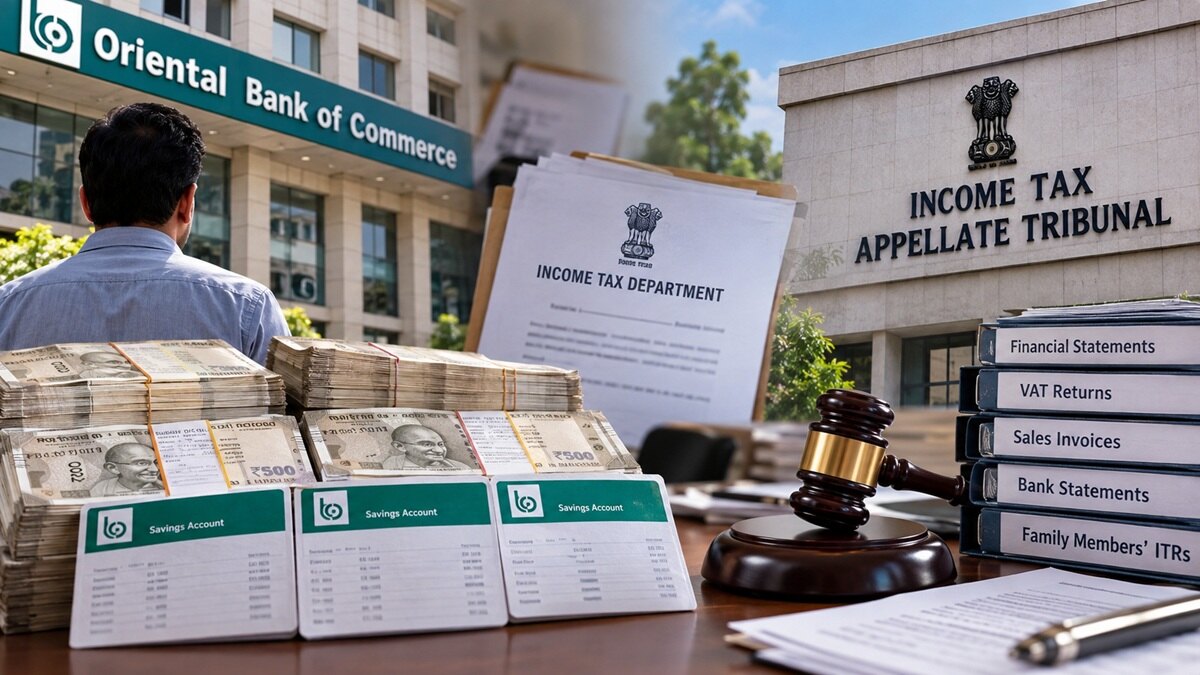
ITAT Deletes Tax Additions on Rs 2.47 Crore Deposits

Indranil Sen questioned over Durga Puja preview pass irregularities

West Bengal Plans Jewellery Training Degrees Through Industry Partnerships
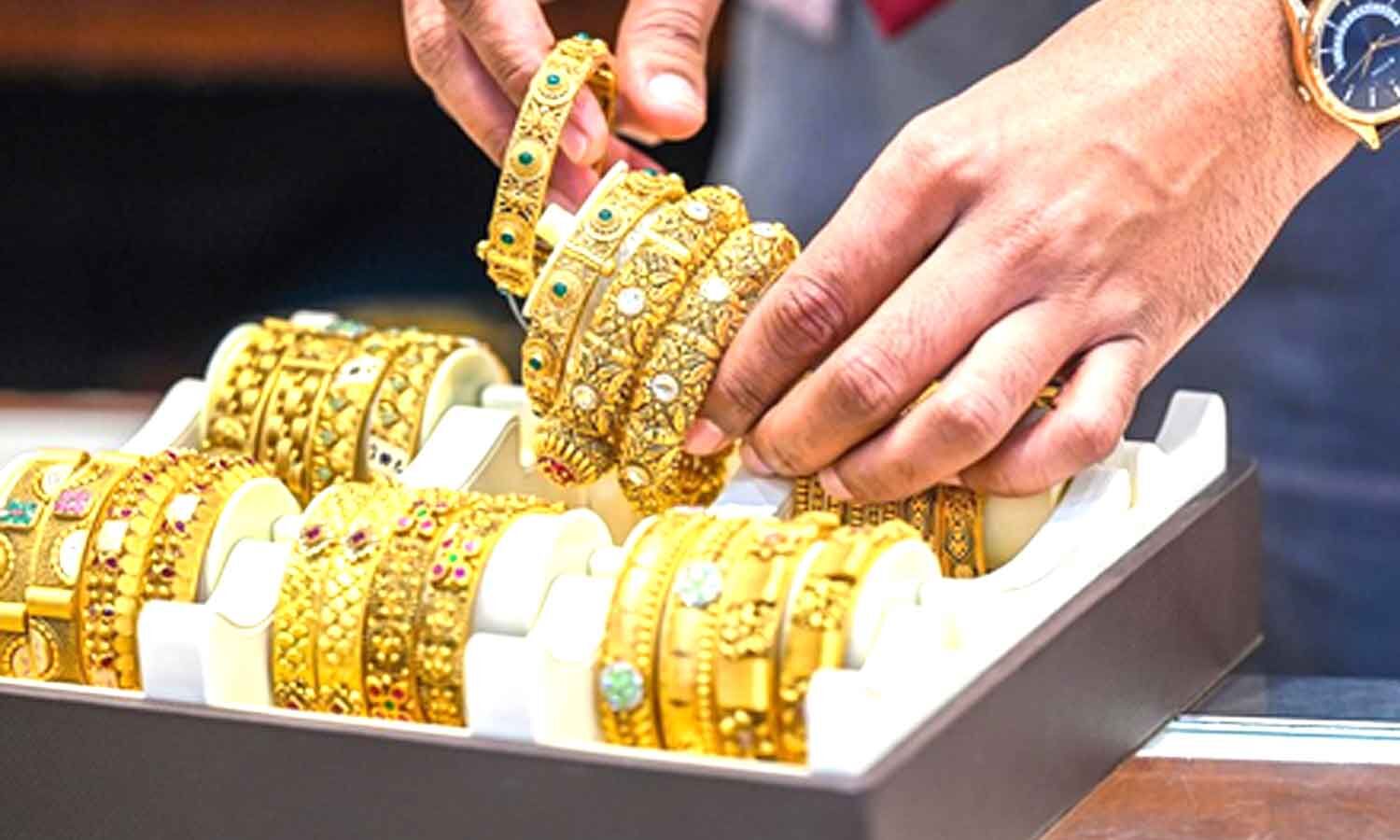
Experts Call Education-Skills Integration Vital for Jewellery Industry

October 1 Assembly Headlines Cover India, World, Sports and Education
