2 weeks ago
China Recovers Zhuque-3 Booster in SpaceX Catch-Up Effort
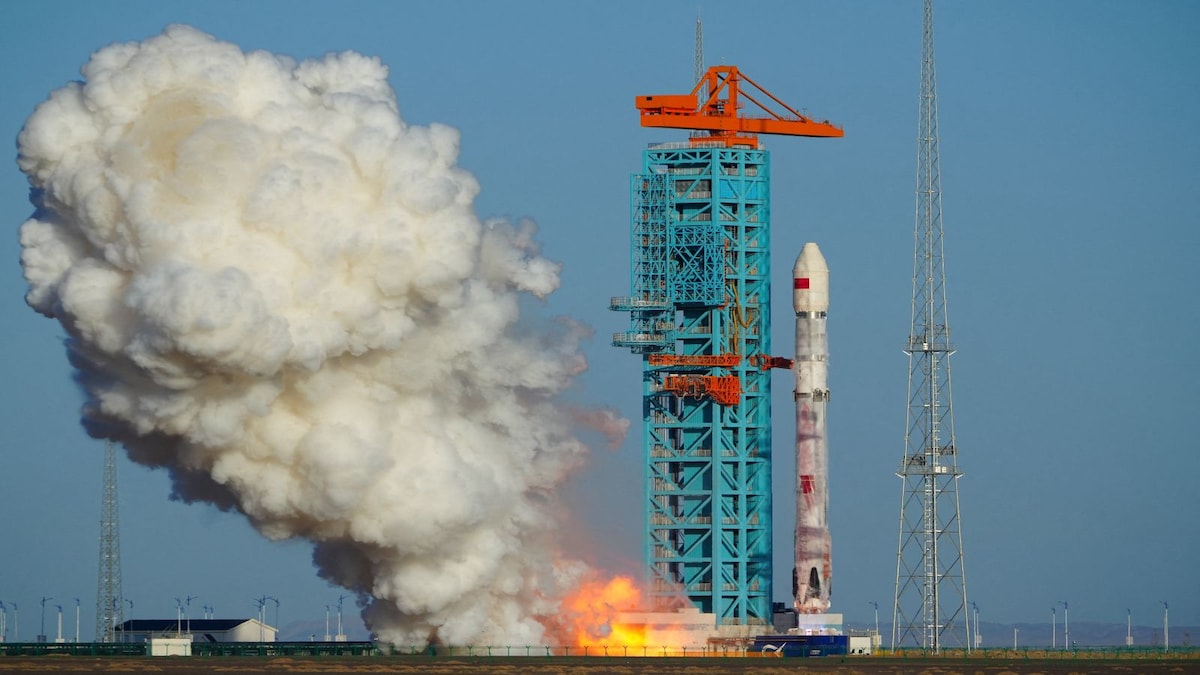
LandSpace is a Chinese space company that built a rocket called Zhuque-3.
The rocket carried a satellite into orbit and then brought its first stage back to Earth.
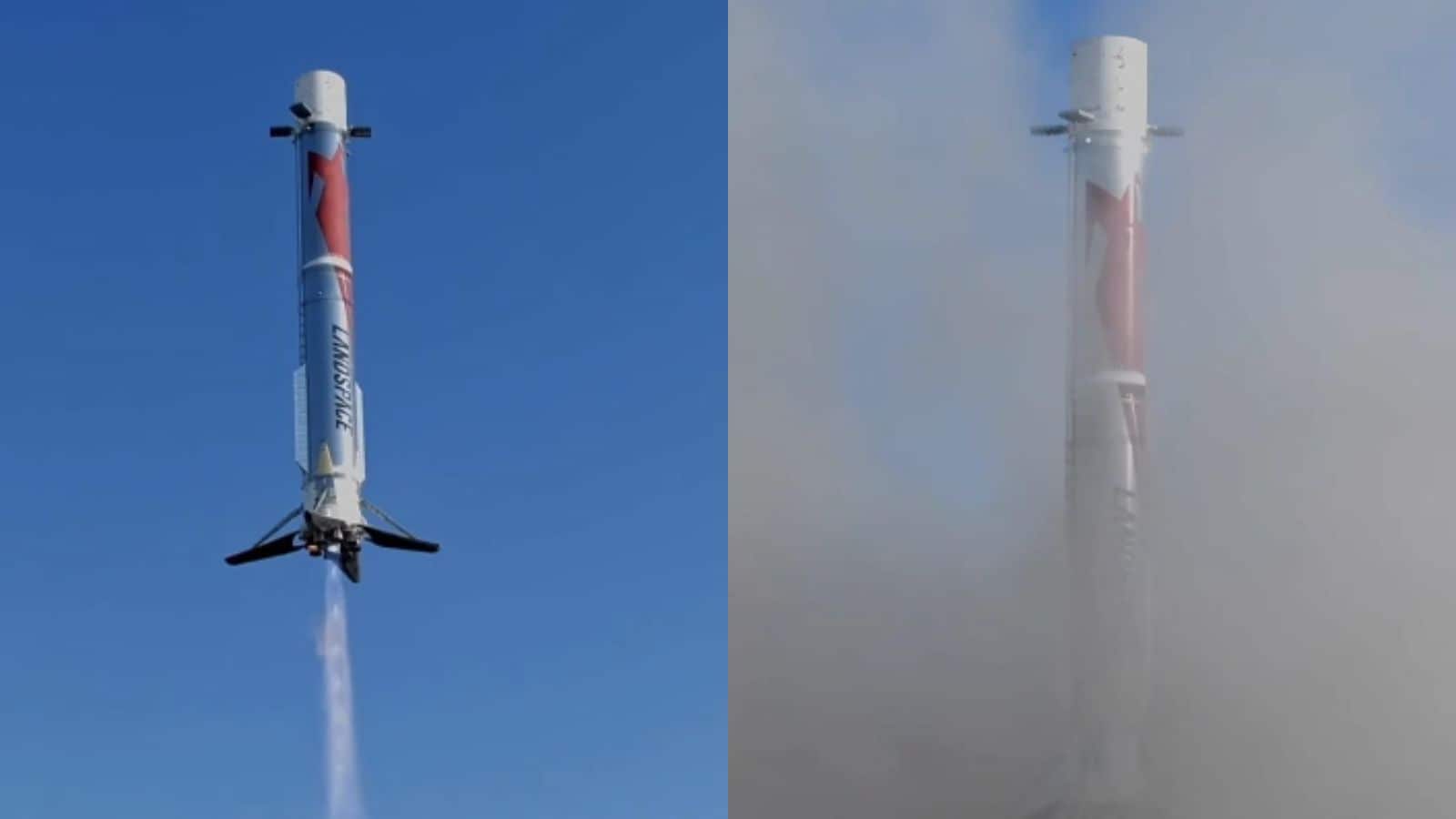
The booster landed safely on special legs in Gansu province.
This is important because rockets that can fly again may make space launches cheaper.
LandSpace hopes Zhuque-3 can compete with SpaceX’s Falcon 9.
The company says the rocket uses methane and liquid oxygen and could reuse its booster up to 20 times.
LandSpace’s first landing attempt failed after reaching orbit in December 2025.
The company wants to fly a recovered booster again within six months.

LandSpace successfully landed the first-stage booster of its Zhuque-3 rocket after sending a satellite into orbit.
The 66.1-metre rocket’s nine-engine booster landed on legs in Gansu province, about 390 kilometres from the launch site.
The recovery was LandSpace’s second reusable-rocket attempt; its December 2025 attempt reached orbit but failed during landing.
Zhuque-3 is designed as a competitor to SpaceX’s Falcon 9 and can carry up to 14.2 tonnes into low Earth orbit in a one-time launch.
LandSpace plans to refly a recovered booster within six months and is seeking 7.5 billion yuan through a planned Shanghai STAR Market listing.
- Who
- LandSpace Technology Corp., a Chinese commercial launch provider, recovered the Zhuque-3 booster; SpaceX and Blue Origin are identified as competitors or comparators.
- What
- LandSpace successfully recovered and landed Zhuque-3’s first-stage booster after an orbital launch.
- Where
- The rocket launched from Jiuquan, also described as the Dongfeng Commercial Space Innovation Pilot Zone in northwestern China, and the booster landed in Gansu province.
- When
- The landing occurred on a Wednesday identified in the articles as August 18 or August 19; the previous attempt took place in December 2025.
- Why
- Reusable boosters are intended to lower launch costs and support more frequent commercial satellite launches.
Significant Chinese Space Milestone
Remaining Commercial and Engineering Gap
Importance of the landing
Significant Chinese Space Milestone
The recovery is described as a major step for China’s commercial space industry and places LandSpace among a small group of private companies to recover an orbital-class booster.
Remaining Commercial and Engineering Gap
The landing is an individual demonstration, and LandSpace still needs to show that boosters can be refurbished and reflown rapidly and cost-effectively.
Comparison with SpaceX
Significant Chinese Space Milestone
Zhuque-3 is positioned as a Chinese competitor to SpaceX’s Falcon 9, and its successful recovery narrows a capability gap in reusable launch technology.
Remaining Commercial and Engineering Gap
SpaceX has recovered and reused Falcon 9 boosters since 2017, launches them roughly three times a week, and has already made reuse routine.
Commercial potential
Significant Chinese Space Milestone
Reusable boosters could lower launch costs and make frequent satellite launches commercially viable, supporting China’s developing internet-satellite effort.
Remaining Commercial and Engineering Gap
LandSpace has not yet demonstrated repeat commercial reuse; the company’s planned reflights and goal of profitability by 2029 remain future tests of its business model.
Key facts
- Rocket
- Zhuque-3
- Rocket height
- 66.1 metres
- Booster engines
- Nine
- Landing site
- Gansu province, about 390 kilometres southeast of the launch site
- Low Earth orbit capacity
- Up to 14.2 tonnes for a one-time launch
- Planned booster reuse
- Up to 20 flights
- Planned fundraising
- 7.5 billion yuan, or about $1.11 billion, through a proposed Shanghai STAR Market listing
Quotes
Eric Zhu
Bloomberg Intelligence analyst
“now faces the tougher engineering challenge of demonstrating it can rapidly and cost‑effectively refurbish and refly that hardware”
 CNBC TV 18
“LandSpace’s successful booster recovery with the Zhuque-3 is a watershed moment for China’s commercial space sector.”
CNBC TV 18
Sources
Related news
China Achieves First Successful Land Recovery of Reusable Rocket

China Lands Rocket Booster, Narrowing Gap With SpaceX

Chinese Long March 7A rocket explodes, destroying communication satellite
Four Indian spacetech startups drive transformation of private spaceflight
SpaceX Recovers Starship From Indian Ocean After Month
Shubhanshu Shukla Says India’s Space Future Bright, Challenging
Trump Signs Order Launching Proposed U.S. Space Academy

Trump Pledges More U.S. Rockets, Moon and Mars Missions