1 hr ago
US 30-Year Treasury Yield Hits Highest Level Since 2004
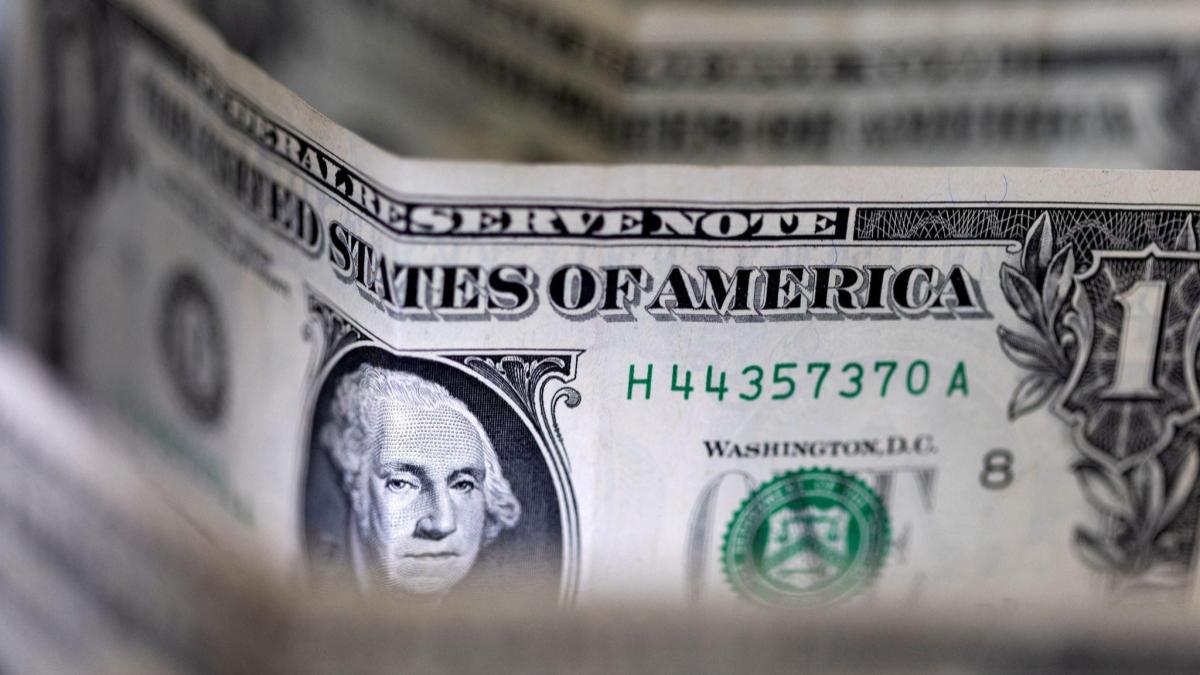
The US government borrows money by selling bonds.
The interest rate investors demand for very long loans is called the 30-year Treasury yield.
That rate briefly climbed above 5.44%, its highest point since 2004.
Bond prices and yields move in opposite directions, so falling prices mean higher yields.
Investors are asking for more compensation because the economy is strong, government debt is high and energy prices are raising inflation worries.
Higher yields can make mortgages and other loans more expensive.
The 30-year US mortgage rate is now around 7%.
Some investors remain calm because the US economy and company profits have stayed strong, but analysts warn that borrowing costs could eventually pressure households and financial markets.

The 30-year US Treasury yield briefly rose above 5.44%, its highest level since 2004, before easing to 5.404%.
Bond prices have fallen as investors demand more compensation amid strong growth, high government debt and rising energy costs.
Recent US business activity data fueled expectations that inflation pressures and interest rates could remain higher.
US 30-year mortgage rates have reached about 7%, roughly one percentage point above their level before the Iran war.
Yields have also risen in Germany and Japan, reflecting broader concerns about borrowing needs and refinancing costs.
- Who
- US Treasury borrowers and investors in government bonds, with views cited from US officials and market strategists.
- What
- The US 30-year Treasury yield briefly exceeded 5.44%, its highest level since 2004, as a bond selloff deepened.
- Where
- The United States, with similar yield increases reported in Germany and Japan.
- When
- Thursday, after the selloff accelerated on Wednesday and Thursday.
- Why
- Investors are seeking greater compensation amid strong economic growth, high government debt, rising energy costs and renewed inflation and interest-rate concerns.
Risks From Higher Yields
Confidence From Economic Resilience
Financial and household impact
Risks From Higher Yields
Higher borrowing costs could increase mortgage expenses, raise the federal government’s debt-interest burden and eventually create turbulence in financial markets.
Confidence From Economic Resilience
Investors have so far remained relatively calm because US economic growth, corporate profits and AI-related spending have remained strong.
Interest-rate outlook
Risks From Higher Yields
Strong business activity and rising inflation pressures are increasing bets that the Federal Reserve may keep rates higher or raise them.
Confidence From Economic Resilience
New York Federal Reserve President John Williams said the US economy was showing “remarkable resilience,” supporting the view that growth can withstand higher yields.
Key facts
- 30-year Treasury yield
- Briefly rose above 5.44% before easing to 5.404%.
- Previous high
- The yield reached its highest level since 2004.
- US mortgage rate
- About 7%, roughly one percentage point higher than before the Iran war and near a two-year high.
- US nominal growth
- Running at about 8% in the second quarter, according to the article.
- Germany borrowing
- Federal borrowing is expected to reach a record €525.5 billion in 2026.
- German 10-year Bund
- Briefly rose above 3.5%, its highest level in 17 years.
- Japan 10-year bond
- Reached its highest yield since 1996.
Quotes
Chris Scicluna
Head of economic research at Daiwa Capital
“Obviously the higher things go, the worse everything looks, and the more expensive US mortgages will be, for example, and the bigger the debt interest burden of the federal government.”
 financialexpress.com
“Treasuries are competing with the rest of the market to be purchased and so you know, the question is, how much higher could it go?”
financialexpress.com
Sources
Related news
Thirty-Year US Treasury Yield Hits 5.34% as Oil Stokes Inflation

Global Bond Selloff Deepens as Oil and Debt Fears Rise

Global Bond Selloff Deepens as Debt and Inflation Fears Rise
Treasury Yields Hit 19-Year High as Stocks Tumble

US 10-Year Treasury Yield Reaches 5% Ahead of Fed Decision

Global Bond Yields Surge as Inflation and Debt Risks Rise

Bond Sell-Off Sends US Stock Futures Lower, Fed Bets Rise

Bond Yields, Oil Prices Drive Wall Street Sell-Off

GIFT Nifty Signals Cautious Start for Indian Markets

'Mid- and Small-Cap Stocks Look Pricey,' Kotak Analyst Warns