

1 month ago
India Issues First Geriatric Oncology Guidelines for Elderly Cancer Patients
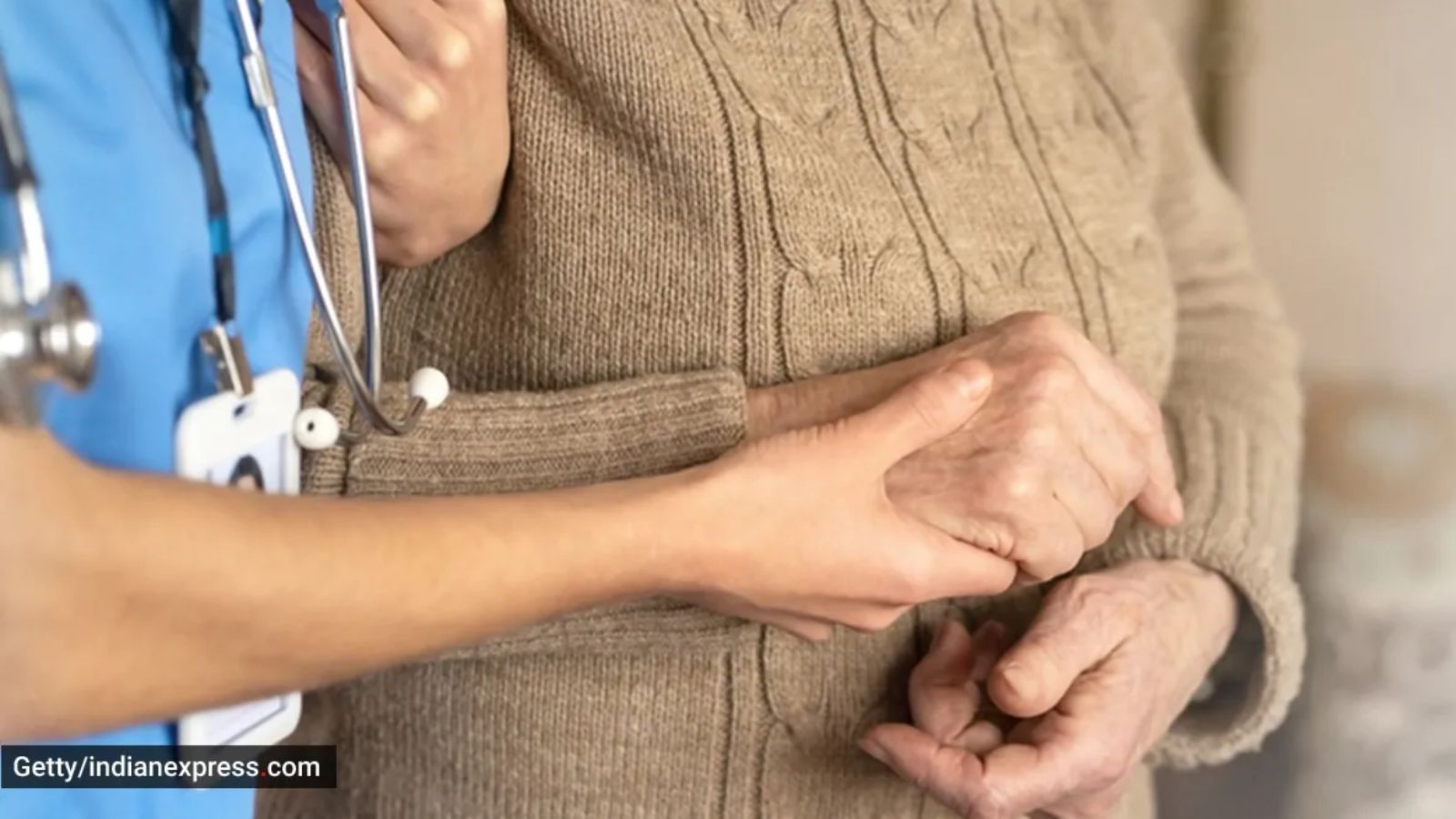
India has issued its first guidelines for treating elderly cancer patients.
These guidelines recommend that every cancer patient aged 60 and above should have a special assessment before starting chemotherapy.
This assessment looks at things like physical health, nutrition, other illnesses, and mental health to make sure the treatment is safe and effective.
The guidelines were created by a team of experts from Tata Memorial Hospital and other cancer centers.
They say that older patients need different care because they have unique vulnerabilities that can affect how well they tolerate treatment.
The goal is to personalize treatment to improve quality of life and reduce complications.

India's first geriatric oncology guidelines recommend comprehensive assessments for cancer patients aged 60 and above.
Assessments should evaluate physical function, nutrition, comorbidities, cognition, and social support.
Treatment decisions should be based on biological age and overall health, not just chronological age.
Guidelines were developed by a multidisciplinary task force led by Tata Memorial Hospital and AIIMS.
Implementation includes initial screening tools and follow-up assessments to personalize treatment and improve outcomes.
- Who
- Indian oncologists and geriatricians, led by Tata Memorial Hospital, Mumbai, in collaboration with AIIMS, New Delhi, and other cancer centers
- What
- Issued comprehensive guidelines for geriatric oncology
- Where
- India
- When
- Published in the Journal of Geriatric Oncology
- Why
- To address the growing number of elderly cancer patients and the need for age-specific assessments and treatments
Traditional Cancer Care
Geriatric Oncology Care
Assessment Methods
Traditional Cancer Care
Traditional cancer care evaluates patients based on chronological age and routine performance status scores.
Geriatric Oncology Care
Geriatric oncology care uses comprehensive geriatric assessments to evaluate biological age, overall health, and functional reserve.
Treatment Decisions
Traditional Cancer Care
Treatment decisions are often based on a physician's clinical judgement.
Geriatric Oncology Care
Treatment decisions are guided by a patient's overall health, functional ability, and ability to tolerate therapy.
Focus of Evaluation
Traditional Cancer Care
Routine cancer evaluations focus primarily on the tumor and organ tolerance.
Geriatric Oncology Care
Geriatric assessments evaluate physical, mental, and social fitness, including functional ability, nutritional status, existing illnesses, cognition, medication burden, risk of falls, depression, anxiety, chemotherapy-related toxicity, and social support.
Key facts
- Guideline Developers
- Tata Memorial Hospital, Mumbai, in collaboration with AIIMS, New Delhi, and other cancer centers
- Target Age Group
- Cancer patients aged 60 years and above
- Key Recommendation
- Comprehensive geriatric assessment before chemotherapy
- Assessment Frequency
- Initial assessment before chemotherapy, repeat assessment after three months
- Multidisciplinary Team
- Geriatricians, medical oncologists, physiotherapists, occupational therapists, dietitians, clinical pharmacologists, psycho-oncologists, and social workers
- Screening Tools
- G8, VES-13, SCOPE-C
- Expected Benefits
- Personalized treatment, reduced complications, improved quality of life
Quotes
Dr Vanita Noronha
Lead author, professor and medical oncologist at Tata Memorial Hospital
“"Geriatric oncology itself is still under‑practised in India and there are very few geriatricians. Most older patients with cancer continue to be evaluated much like younger patients because oncologists have not traditionally been trained to assess them differently."”
 indianexpress.com
Sources
Related news

Apple Sends Fresh Spyware Alerts to Users in 110 Countries

Apple Sends Spyware Attack Alerts to iPhone Users Worldwide

Apple iPhone 18 Pro Max Expected September 2026 Launch

Emkay picks Syrma, Avalon in India's $850 billion datacentre boom

Reliance Explores Aluminium Production Through Odisha Bauxite and Coal Gasification

iPhone 18 Pro Max May Get Exclusive Camera Upgrade

Merck, Moderna Cancer Vaccine Meets Phase 3 Melanoma Milestone

Sperm Freezing: Who Should Consider It and Why Age Matters
Head and Neck Cancer: Warning Signs

Kolkata Doctor Exonerated After 9-Year Legal Battle
