1 hr ago
Patel Urges Modi Government to Learn Accountability from Champaran
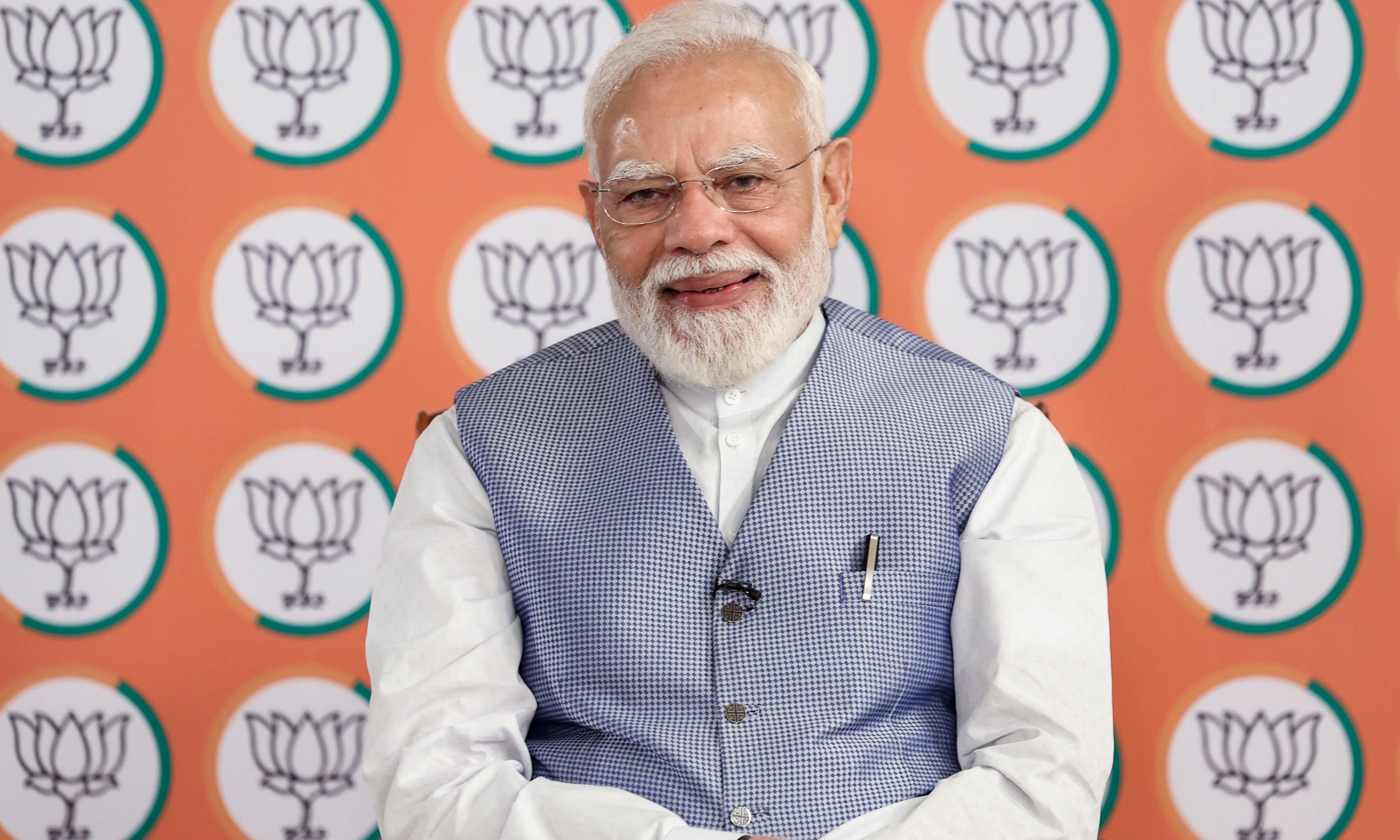
Aakar Patel compares protests happening in India today with a protest led by Gandhi in 1917.
Gandhi went to Champaran to learn about farmers who were forced to grow indigo on some of their land.
British officials first ordered him to leave, but later allowed him to investigate.
An inquiry supported the farmers, and the forced indigo system was ended.
Patel says governments should listen to peaceful protesters and correct unfairness.
He argues that India’s government has resisted demands for action over the election process and the chief election commissioner.
Patel points to an earlier government decision to fire Dharmendra Pradhan after exam-system problems drew protests.
He predicts that continued public protest may again make the government change course.

Patel uses Gandhi’s 1917 Champaran campaign as an example of government responding to peaceful protest.
Gandhi investigated the tinkathia system, which required tenant farmers to grow indigo on 15 per cent of their land.
Patel accuses the Modi government of resisting accountability demands concerning the chief election commissioner and electoral rolls.
He cites Dharmendra Pradhan’s firing after exam-system problems as an earlier concession following protests.
Patel argues that sustained public mobilisation may compel the government to address the alleged electoral-roll injustice.
- Who
- Columnist Aakar Patel; the Modi government, protesters and Chief Election Commissioner Gyanesh Kumar are central to the article.
- What
- Patel argues the government should permit peaceful protest and accept accountability over alleged electoral-roll injustices.
- Where
- India, with Champaran cited as the historical example.
- When
- The article discusses current protests and refers to Gandhi’s Champaran campaign in 1917.
- Why
- Patel says public pressure can compel the government to address grievances and argues that the Champaran response offers a model of government accountability.
Patel’s criticism
Government’s stated approach
Protests and accountability
Patel’s criticism
Aakar Patel argues the government should allow peaceful assembly, address alleged electoral-roll injustices and hold the chief election commissioner accountable.
Government’s stated approach
Patel says the government is resisting calls to remove the chief election commissioner and has made limited changes to the electoral-roll process; the article does not include the government’s response.
Key facts
- Author
- Aakar Patel, senior journalist and columnist
- Historical example
- Mahatma Gandhi’s 1917 Champaran inquiry into the tinkathia system
- Current dispute
- Protests and calls for accountability over the chief election commissioner and electoral-roll process
- Commissioner named
- Gyanesh Kumar
- Term estimate in article
- Patel says Kumar has about two-and-a-half years left in office, until January 2029
- Other example cited
- Patel says the government fired Dharmendra Pradhan after protests over problems with the exam system
Quotes

Mahatma Gandhi
Indian independence leader, writing about the Champaran protest in his autobiography.
“The tinkathia system which had been in existence for about a century was thus abolished, and with it the planters’ raj came to an end.”
 deccanchronicle.com
“I might have legally resisted the notices served on me.”
deccanchronicle.com
Sources
Related news

Rahul Gandhi Accuses BJP Government After Satya Niketan Collapse
Historian Links Gandhi’s Satyagraha to Smartphone-Era Youth Protest
Raj Thackeray Says Democracy Needs Gandhi Beyond Ceremonial Tributes
CPI (ML) Leader Criticizes Modi Over Jantar Mantar Remarks

Odisha CM Majhi Questions Rahul Gandhi’s Values Over Modi Mockery