

1 hr ago
Russian parliamentary election enters final day amid Ukraine war test

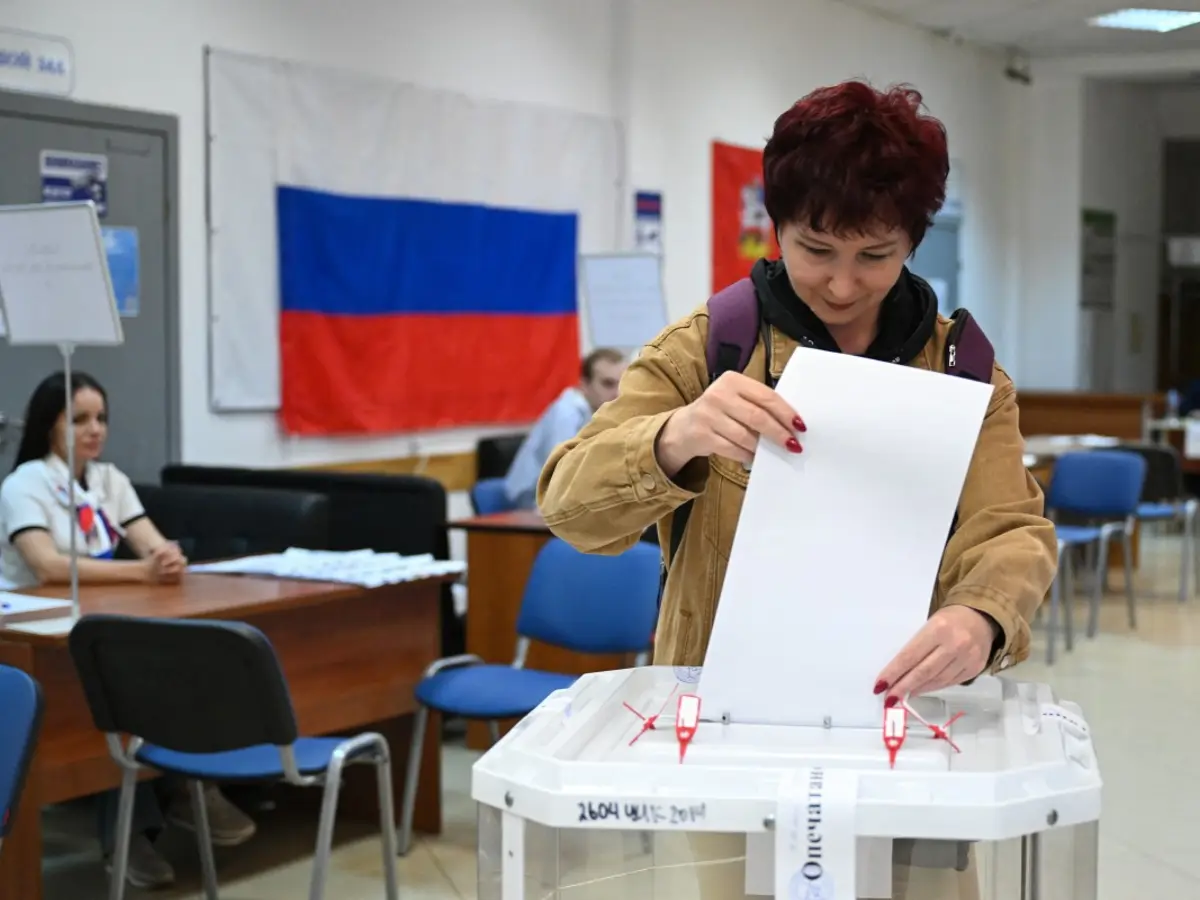
Russia held a parliamentary election while its war in Ukraine was continuing.
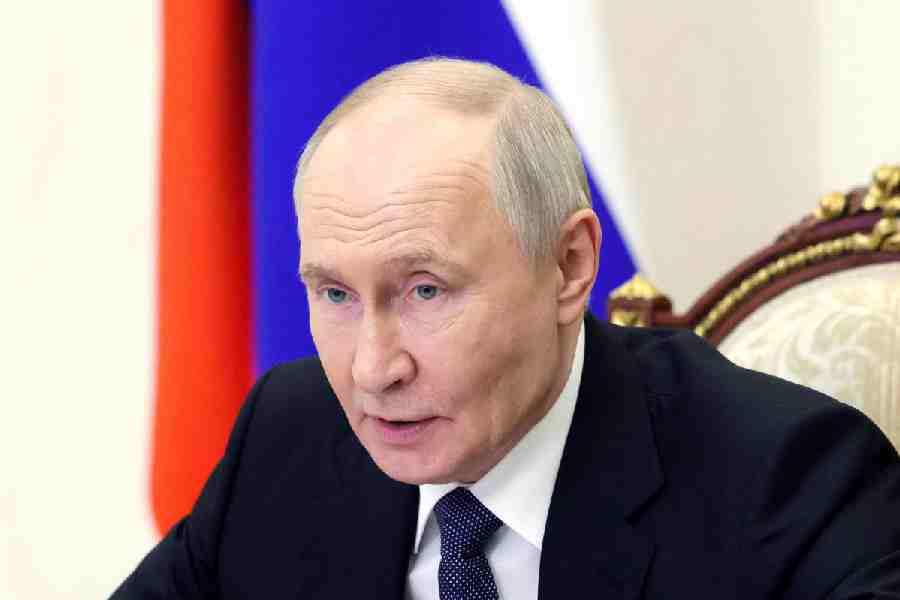
President Vladimir Putin said the election would show that many Russians support the country’s soldiers and policies.
The ruling United Russia party was expected to remain the strongest party.
Many candidates who opposed the war were not allowed to run.
Some candidates from the Yabloko party said they were afraid of being punished for speaking about the war.
The Kremlin said restrictions were needed to protect Russia during the conflict.
Critics said the election did not allow enough political disagreement.
Early results were expected on Sunday, with fuller results on Monday.

Russia’s parliamentary election entered its third and final day on Sunday, with United Russia expected to retain dominance.
President Vladimir Putin has presented the vote as a test of support for Russia’s war in Ukraine.
Most anti-war candidates were barred, while liberal Yabloko candidates said they feared for their freedom.
The Kremlin says censorship and national unity are necessary during its “special military operation” in Ukraine.
Initial results were expected Sunday evening, with more complete results due Monday.
- Who
- Russian voters, President Vladimir Putin, United Russia, permitted opposition parties, and anti-war candidates.
- What
- A parliamentary election widely viewed as a test of public support for Putin’s policies and Russia’s war in Ukraine.
- Where
- Russia, including Moscow and Russian-controlled parts of Ukraine’s Zaporizhzhia region.
- When
- The election’s third and final day was Sunday, September 20; initial results were expected that evening and fuller results Monday.
- Why
- The Kremlin said the vote would demonstrate national unity and support for Russian troops, while critics viewed it as a tightly controlled election with limited dissent.
Kremlin position
Critics’ position
Meaning of the election
Kremlin position
Vladimir Putin said the vote would show that millions of people support Russian troops and remain united behind shared national values.
Critics’ position
Critics and analysts said the predictable result would reflect a political system that does not tolerate dissent and could produce awkward moments for the Kremlin.
Restrictions and censorship
Kremlin position
The Kremlin said national unity and some censorship were necessary during its “special military operation” and to counter hostile foreign efforts to create unrest.
Critics’ position
Critics pointed to lengthy prison sentences for comments authorities deemed illegal and to the barring of most anti-war candidates as evidence that dissent was suppressed.
Potential protest vote
Kremlin position
United Russia was expected to retain dominance, while the Kremlin allowed some systemic opposition parties to remain on the ballot.
Critics’ position
The NEST think tank said war-related anxiety and economic strain could shift votes toward the Communist Party and New People, even though both generally vote with United Russia on major issues.
Key facts
- Election body
- The State Duma
- Final voting day
- Sunday, September 20
- Expected ruling party
- United Russia
- War context
- The first State Duma election since Russia launched its full-scale war in Ukraine in February 2022
- Initial results
- Expected at around 1800 GMT on Sunday
- Fuller results
- Expected on Monday
- Permitted opposition
- The Communist Party, New People party, and Yabloko were among the parties discussed
Quotes

Vladimir Putin
President of Russia, speaking in a televised address before the election
“Your choice, and your will, will once again demonstrate that millions of people stand behind our soldiers, that we are a united people bound together by shared values, historical memory, and love for our homeland, and that no one will succeed in dividing or intimidating us,”
 theprint.in
NEST think-tank
Berlin-based think-tank co-founded by Kremlin critic Mikhail Khodorkovsky
“The consequences of the war are increasingly being felt within the country, and accumulated anxiety and frustration may translate into votes for the systemic opposition parties that the Kremlin has allowed to remain on the ballot,”
theprint.in
Sources
Related news
Russia Votes in Parliamentary Election Amid War and Controls
Putin Links Russia’s Parliamentary Vote to War Support

Russia Begins Three-Day Wartime Parliamentary Election Amid Suppressed Dissent
Russia's Election Could Help Putin Reinforce War Support
Russia Reports Powerful Cyberattacks During Second Day Of Parliamentary Election
Ukraine Faces Major Obstacles to Holding Elections During War
Russia Tightens Control Through Max App and Parliamentary Election