19 hrs ago
South Korea Says North Korea-Planted Mines Caused DMZ Blast
Three South Korean soldiers were hurt when mines exploded in the Demilitarised Zone.
South Korea's military and the U.N. Command investigated the blast.
They concluded that North Korean mines had been deliberately buried near the border.
The military said the mines were underground, not washed there by floods.
Two soldiers were badly hurt in their ankles, and one had minor injuries.
South Korea said it removed the minefield on Monday.
It says it may keep removing mines if North Korea does not do so.
North Korea denies responsibility, and Kim Yo-jong called South Korea's findings fabricated.

A joint South Korean military and U.N. Command investigation concluded that North Korean mines caused a September 21 blast that injured three South Korean soldiers.
Investigators said the mines were deliberately buried about 3 to 10 centimetres underground, roughly 10 metres south of the Military Demarcation Line.
Two soldiers suffered critical ankle injuries, while a third was slightly injured.
South Korea's military said it removed the minefield on Monday and may continue mine-removal operations if North Korea does not remove its mines.
North Korea denied responsibility; Kim Yo-jong called Seoul's findings fabricated and warned of retaliation if South Korea took corresponding action.
- Who
- Three South Korean soldiers were injured; South Korea's military and the U.N. Command investigated the blast.
- What
- A joint investigation concluded that mines deliberately planted by North Korea caused the blast; South Korea's military later removed the minefield.
- Where
- Inside the Demilitarised Zone, about 10 metres south of the Military Demarcation Line.
- When
- The blast occurred on September 21; the investigation's conclusion and mine-removal operation were announced on Monday.
- Why
- The investigation attributed the blast to mines it said North Korea had deliberately planted.
South Korea's findings
North Korea's response
Responsibility for the blast
South Korea's findings
South Korea's military and the U.N. Command concluded that North Korean mines were deliberately planted and caused the explosion.
North Korea's response
North Korea denied responsibility, and Kim Yo-jong dismissed Seoul's findings as fabricated.
South Korea's response
South Korea's findings
South Korea said it removed the minefield and would continue mine-removal operations if North Korea did not remove its mines; it called for an apology and removal of the mines.
North Korea's response
Kim Yo-jong warned of retaliation if South Korea took corresponding action.
Key facts
- Blast date
- September 21
- Injuries
- Three South Korean soldiers were injured; two suffered critical ankle injuries and one had minor injuries.
- Investigators
- South Korea's military and the U.N. Command
- Mine location
- About 10 metres south of the Military Demarcation Line
- Burial depth
- About 3 to 10 centimetres underground
- Estimated installation
- The U.N. Command estimated the mines were placed roughly 12 months before the investigation.
- Mine-removal operation
- South Korea's military said it removed the minefield at about 12:51 p.m. Monday.
Quotes
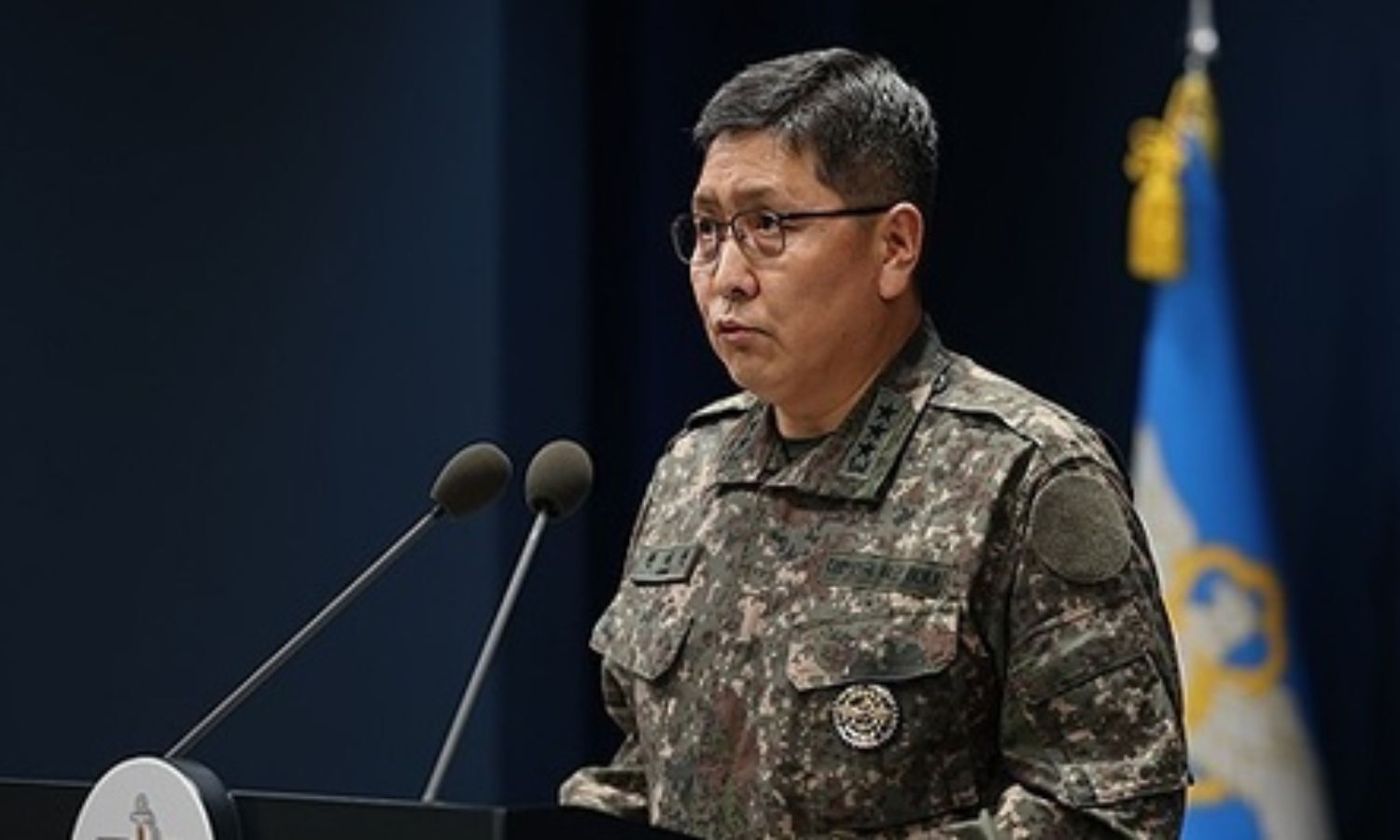
Lt. Gen. Kwon Dae-won
Vice chairman of South Korea’s Joint Chiefs of Staff
“The military strongly calls on North Korea to offer a sincere apology to the South Korean soldiers injured in the mine blast and immediately remove the mines it planted in violation of the Armistice Agreement.”
 thehansindia.com
“The UNC has also found that those mines were intentionally placed, and it estimated the installation occurred roughly 12 months prior.”
thehansindia.com
Sources
Related news

South Korea Says North Korean Mines Likely Caused DMZ Blasts

South Korea Blames North Korean Mines for DMZ Blast
South Korea Blames North Korea for Border Mine Blast
South Korea Prepares Response, Demands Apology Over DMZ Blast
Kim Oversees North Korean Hypersonic Missile Drill, Defends Deterrent
North Korea Launches Ballistic Missile Toward Sea, Neighbors Say