3 hrs ago
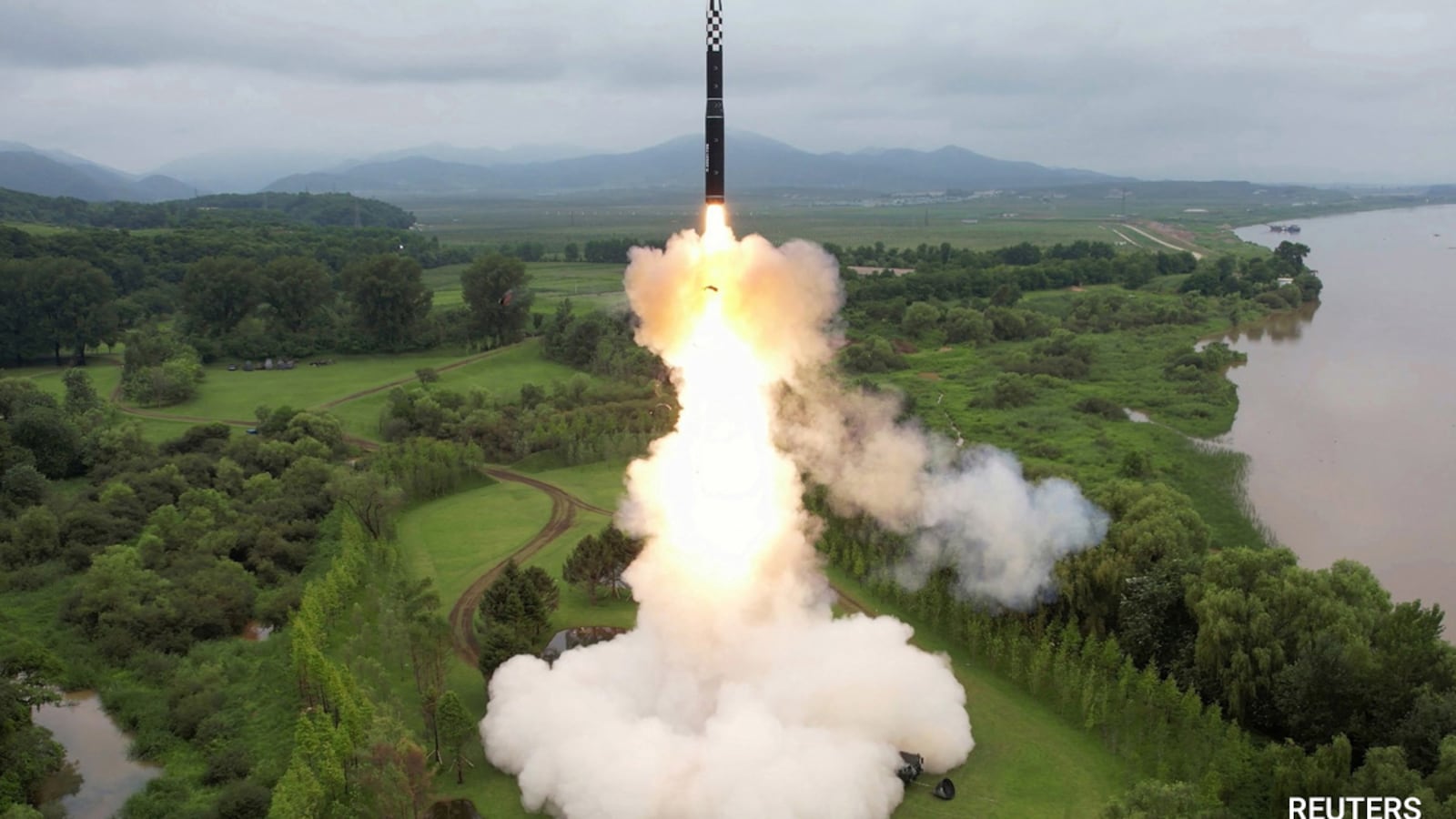
North Korea Claims AI-Enabled Missile Could Evade Tracking
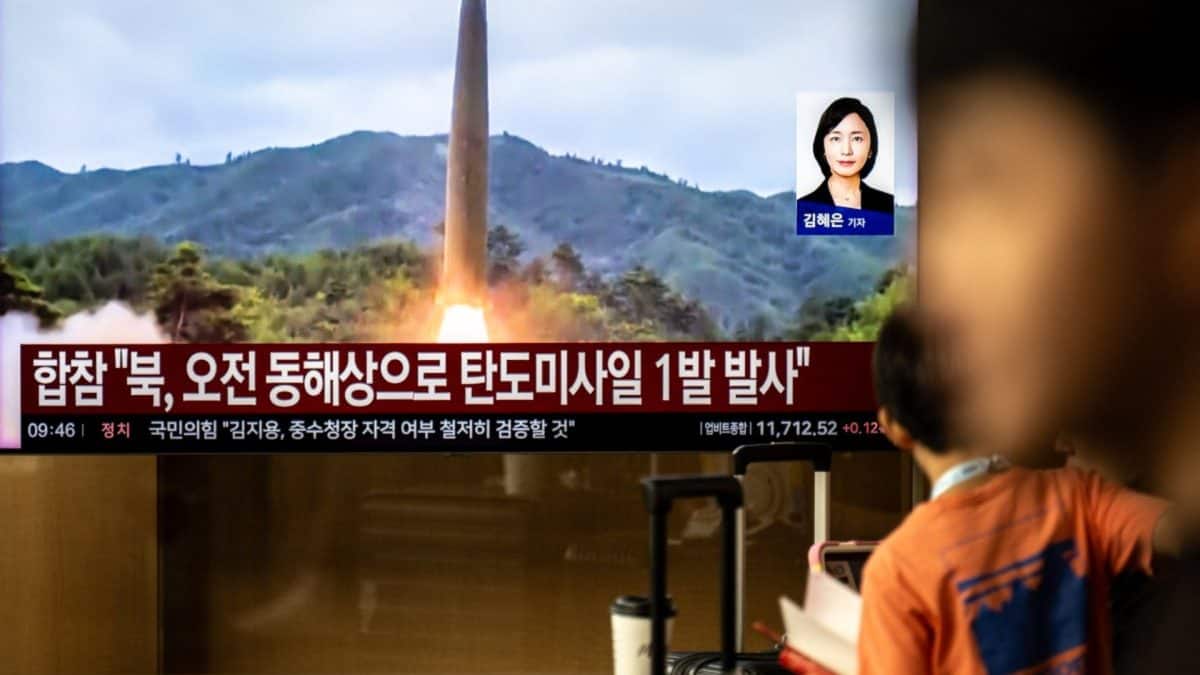
North Korea said it tested a missile on Saturday, October 3.
Kim Yo Jong said her brother, leader Kim Jong Un, watched the test.
South Korea said the missile traveled more than 700 kilometers toward the sea.
Kim Yo Jong claimed the missile could change its path while flying low and use artificial intelligence.
She said this could make it harder to track, but she did not provide technical details.
A military expert said it was too early to know whether North Korea’s claims were accurate.
The test happened during a disagreement about an explosion near the border that injured three South Korean soldiers.
North Korea denied responsibility for that explosion.

Kim Yo Jong said North Korea tested an intermediate-range strategic missile on Saturday, October 3.
South Korea’s military said the missile flew more than 700 kilometers from the Wonsan area toward the East Sea.
Kim Yo Jong claimed the missile could use a wave-like trajectory and AI to change its path at low altitude, making it difficult to track.
A military expert cautioned that it was too early to determine whether North Korea’s claims about the missile were accurate.
The test came amid tensions over an explosion in the Demilitarized Zone that injured three South Korean soldiers; North Korea denied responsibility.
- Who
- North Korea conducted the test, according to Kim Yo Jong, who said Kim Jong Un oversaw it.
- What
- An intermediate-range strategic missile was tested; Kim Yo Jong claimed it used AI to alter its flight path.
- Where
- The missile was launched from the Wonsan area and flew toward the East Sea, according to South Korea.
- When
- Saturday, October 3; the articles do not specify the year.
- Why
- Kim Yo Jong described it as a strategic weapons drill; the articles do not state a more specific reason for the test.
North Korean claims
South Korean reports and expert caution
Missile capabilities
North Korean claims
Kim Yo Jong claimed the missile could use a wave-like trajectory and AI-enabled low-altitude path changes to make it difficult to track or intercept.
South Korean reports and expert caution
A military expert said AI may support military tasks such as targeting and launch operations, but it was too early to determine whether North Korea’s claims about this missile were accurate.
Demilitarized Zone explosion
North Korean claims
North Korea denied responsibility for the explosion that injured South Korean soldiers.
South Korean reports and expert caution
South Korea and the United Nations Command concluded that the blast was caused by North Korean mines placed on the South Korean side of the border.
Key facts
- Missile designation
- Intermediate-range strategic missile, according to Kim Yo Jong
- Reported range
- More than 700 kilometers (435 miles), according to South Korea’s military
- Launch area
- Wonsan area on North Korea’s east coast, according to South Korea
- Claimed capabilities
- Wave-like flight and low-altitude path changes using AI, according to Kim Yo Jong
- North Korean overseer
- Kim Jong Un, according to Kim Yo Jong
- Expert assessment
- Hong Sung-pyo said it was too early to determine whether North Korea’s claims about the missile were accurate.
- Border incident
- An explosion in the Demilitarized Zone injured three South Korean soldiers; North Korea denied responsibility.
Quotes

Kim Yo Jong
Director of North Korea’s ruling party and sister of leader Kim Jong Un
“Whenever we applied the wave-like trajectory mode to missiles, the enemy failed to track the targets from their first skip points.”
 theprint.in
“In other words, this means that there is no way to avoid this attack.”
theprint.in
Sources
Related news
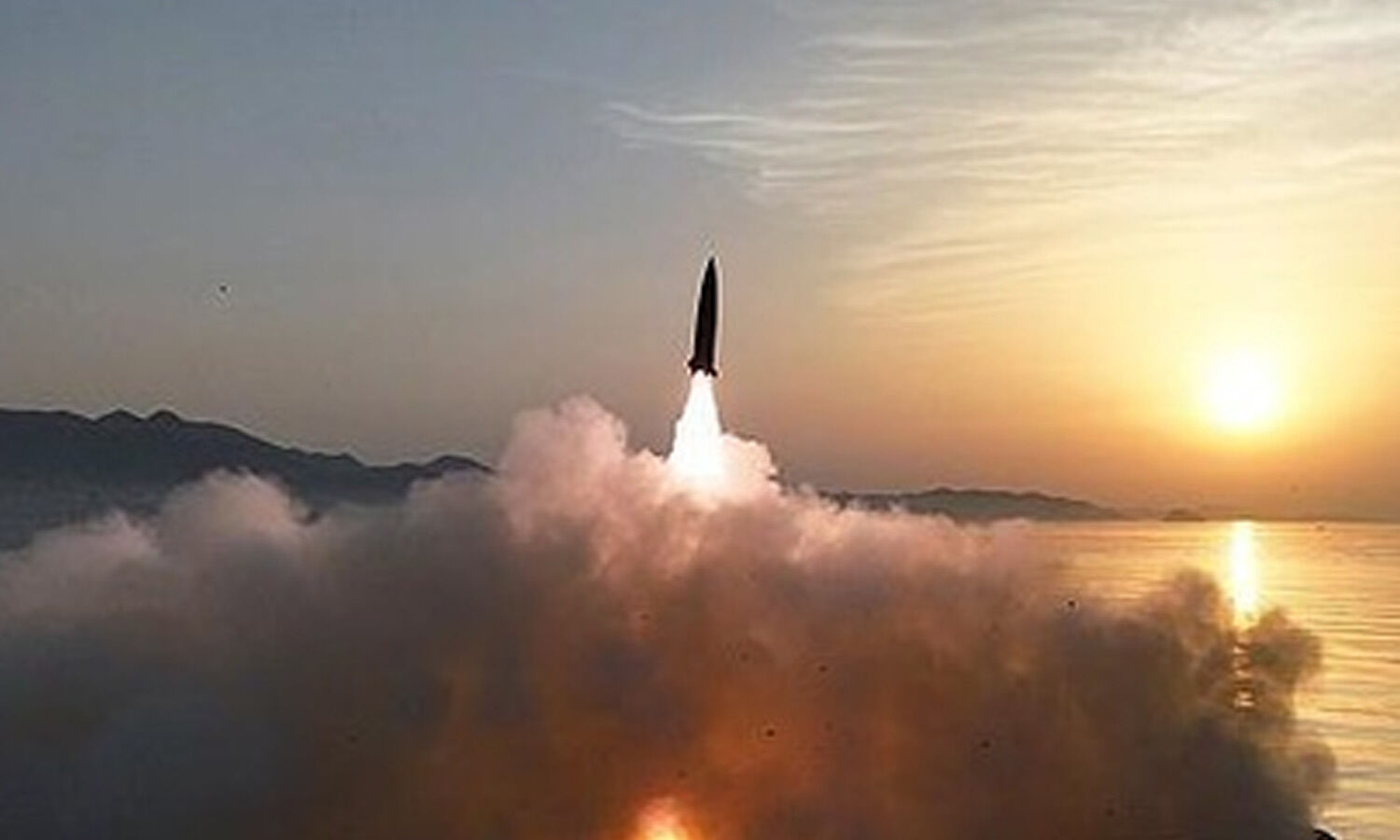
North Korea Reports New Weapon Test, Defends Overseas Labor Program
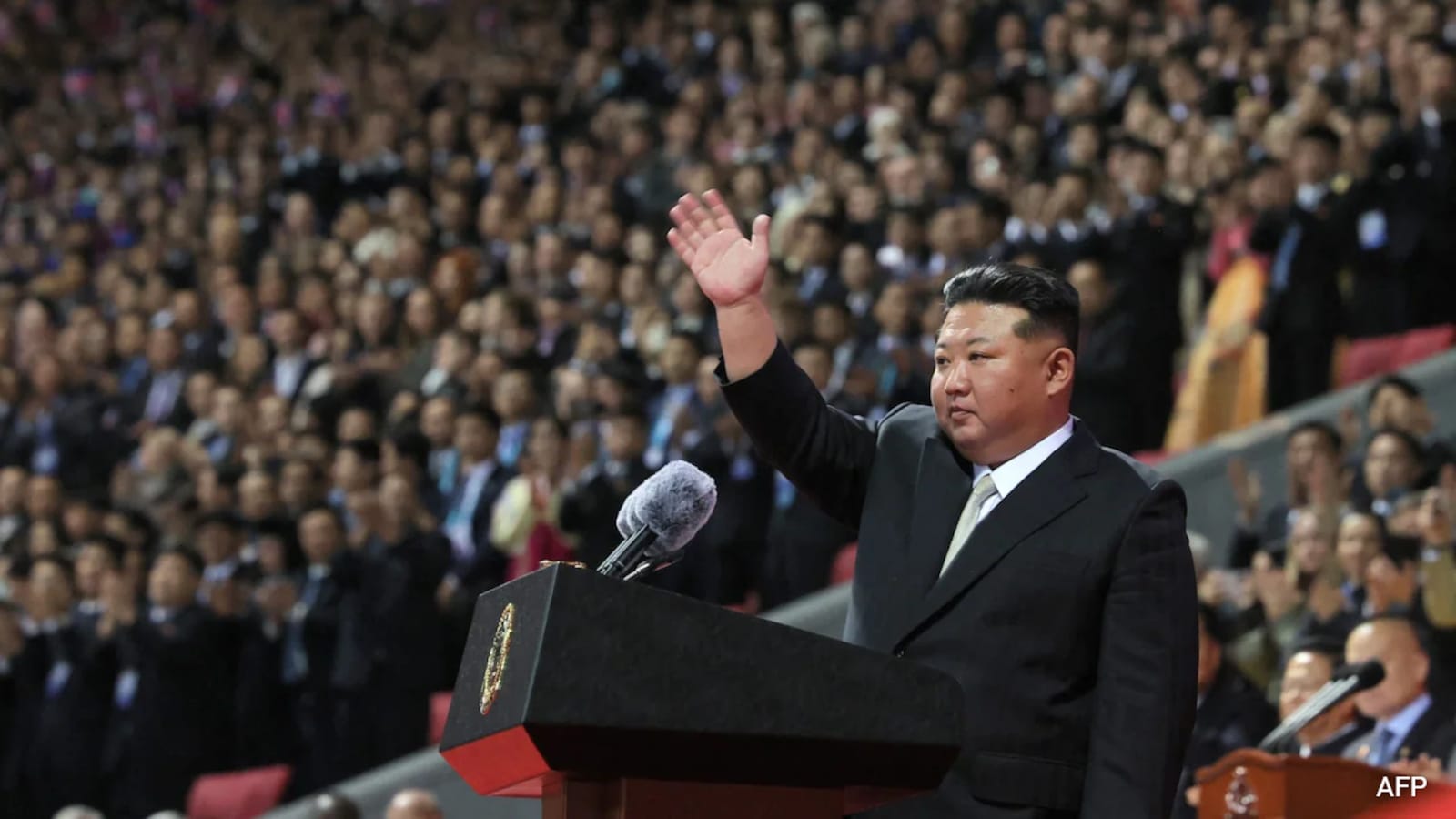
North Korea Tests New Weapon After Missile Launch

North Korea Fires Ballistic Missile Into Sea, Japan Confirms
North Korea Fires Two Ballistic Missiles Within Three Hours
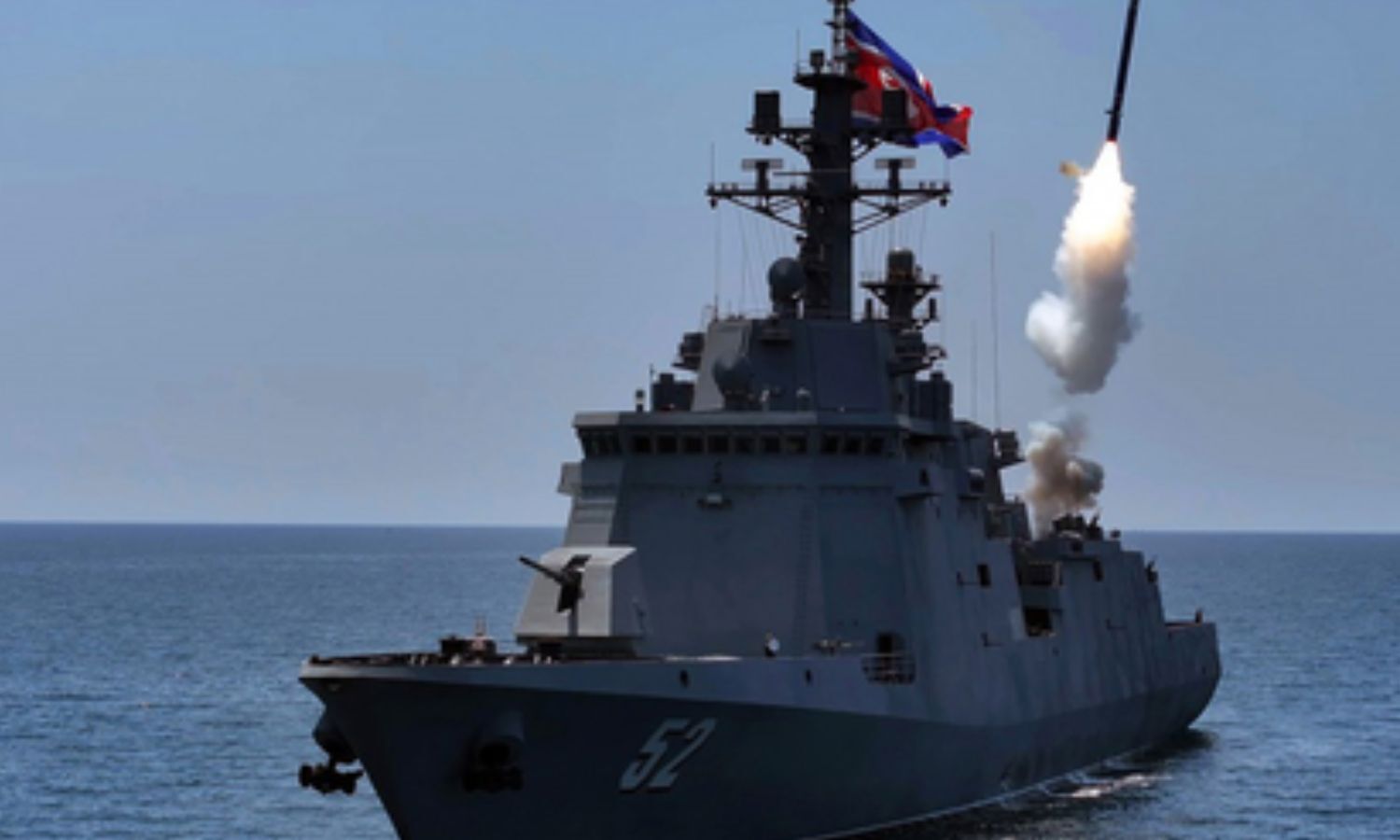
North Korea Launches Ballistic Missiles After Trilateral Freedom Edge Drills
North Korea Launches Ballistic Missile Toward Sea, Neighbors Say
South Korea Seeks North Korea Dialogue While Expanding Defenses
North Korea Keeps Silent After Two Missile Launches