2 hrs ago
A Tighter Watch May Signal Lymphedema After Cancer Treatment
The body has a network that carries away extra fluid from its tissues.
Cancer treatment can sometimes damage or block parts of this network.
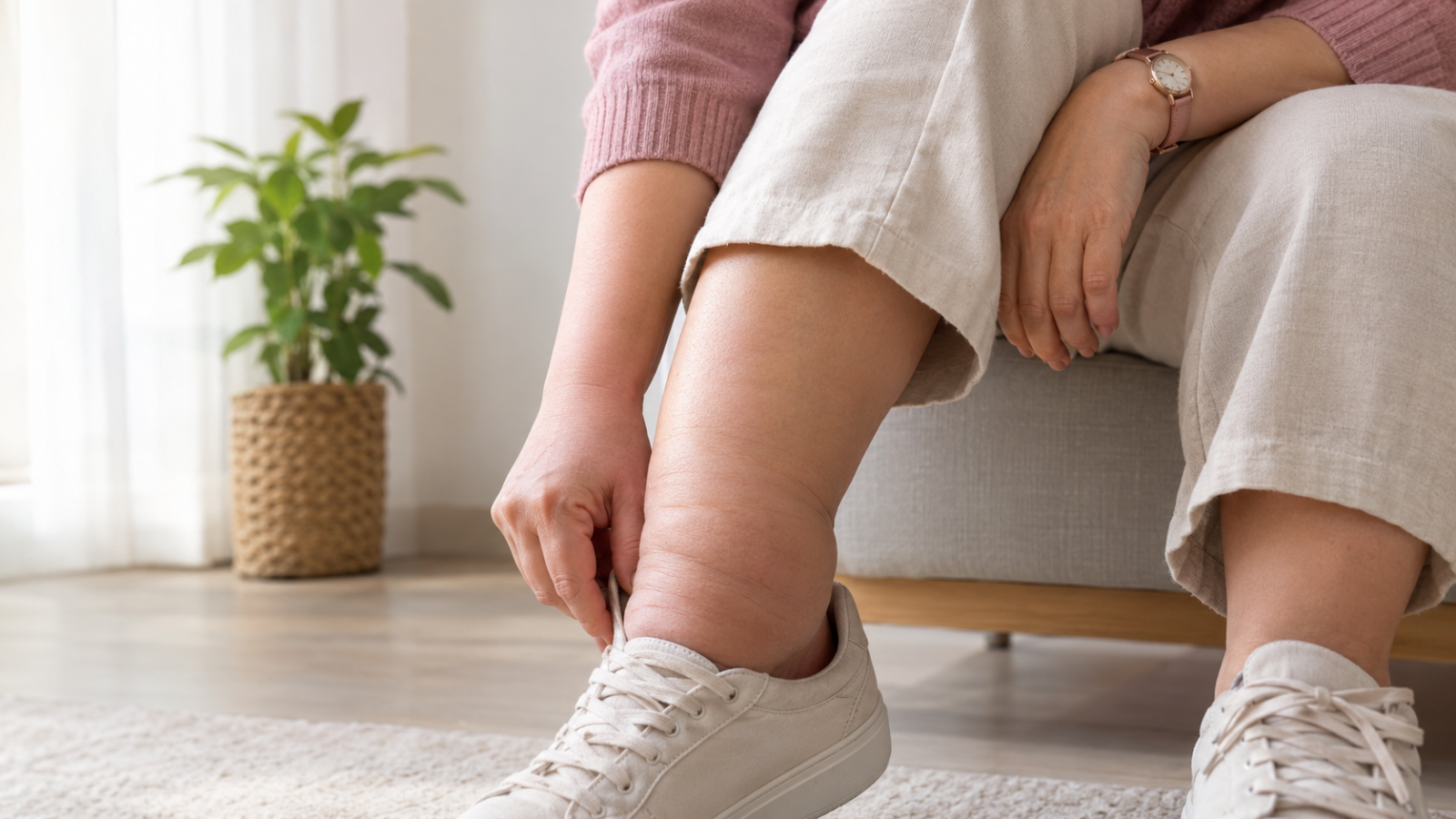
When that happens, fluid may collect and cause lasting swelling, often in an arm or leg.
The swelling might not start until months or years after treatment.
A limb may feel heavy or tight, or a watch, ring, or shoe may suddenly feel too snug.
People treated for some cancers, including breast and pelvic cancers, may be more at risk.
Gentle exercise and protecting the skin may help lower the risk.
If swelling appears, telling the medical team early can help manage it.
Treatments can include special massage, compression garments, exercises, and sometimes surgery.

Lymphedema is persistent swelling caused by lymph fluid building up when the lymphatic drainage system is damaged or blocked.
Cancer surgery that removes lymph nodes and radiation that causes scarring can disrupt lymphatic drainage.
The condition is commonly seen after treatment for breast, pelvic, head and neck, and skin cancers, including melanoma.
Symptoms may emerge months or years after treatment and include heaviness, tightness, swelling, stiffness, or a suddenly tighter watch, ring, or shoe.
It cannot always be prevented or completely cured, but early care can control swelling; treatment may include compression, exercise, skin care, and, for some patients, surgery.
- Who
- People treated for cancer, particularly those whose treatment affects lymph nodes or lymphatic vessels.
- What
- Lymphedema, persistent swelling caused by disrupted lymphatic drainage.
- Where
- It most commonly affects arms or legs, but can also affect other body areas.
- When
- It can appear months or years after cancer treatment.
- Why
- Cancer surgery may remove lymph nodes, and radiation can create scar tissue that narrows or blocks lymphatic vessels.
Key facts
- Condition
- Lymphedema is tissue swelling due to fluid buildup.
- Possible timing
- Symptoms may appear months or years after treatment.
- Commonly associated cancers
- Breast, pelvic, head and neck, and skin cancers such as melanoma.
- Possible early clues
- Heaviness, tightness, fullness, aching, swelling, skin indentation after pressure, or nearby joint stiffness.
- Risk factors described
- Extensive lymph-node removal, radiation after surgery, higher radiation doses, and advanced cancer stages.
- Risk-reduction measures
- Protect skin, maintain a healthy weight, and do regular gentle exercise; some patients may be advised to avoid procedures on an affected limb.
- Treatment
- Complete Decongestive Therapy may include manual lymphatic drainage, compression, specialised exercises, and skin care; selected patients may have surgery.
Quotes
Dr Samarth Gupta
Consultant in senior plastic and breast reconstructive surgery at Apollo Athenaa Women’s Cancer Centre.
“Complete Decongestive Therapy (CDT)—combining manual lymphatic drainage massage, multilayer compression bandaging, custom garments, specialised exercises, and strict skin care—is the standard treatment.”
 indianexpress.com
“Lymphedema is a chronic condition causing tissue swelling due to fluid buildup.”
indianexpress.com
Sources
Related news

When Persistent Swollen Lymph Nodes May Need Lymphoma Evaluation

Persistent Painless Lumps May Signal Lymphoma, Doctors Say

Manisha Koirala Shares Fitness Routine, Expert Urges Individualised Care

Doctors Explain Common Causes of Leg and Foot Swelling

Mushtaq Khan Dies at 56 as Cancer Recurrence Raises Questions