2 weeks ago
Microsoft scales back China presence as AI business grows
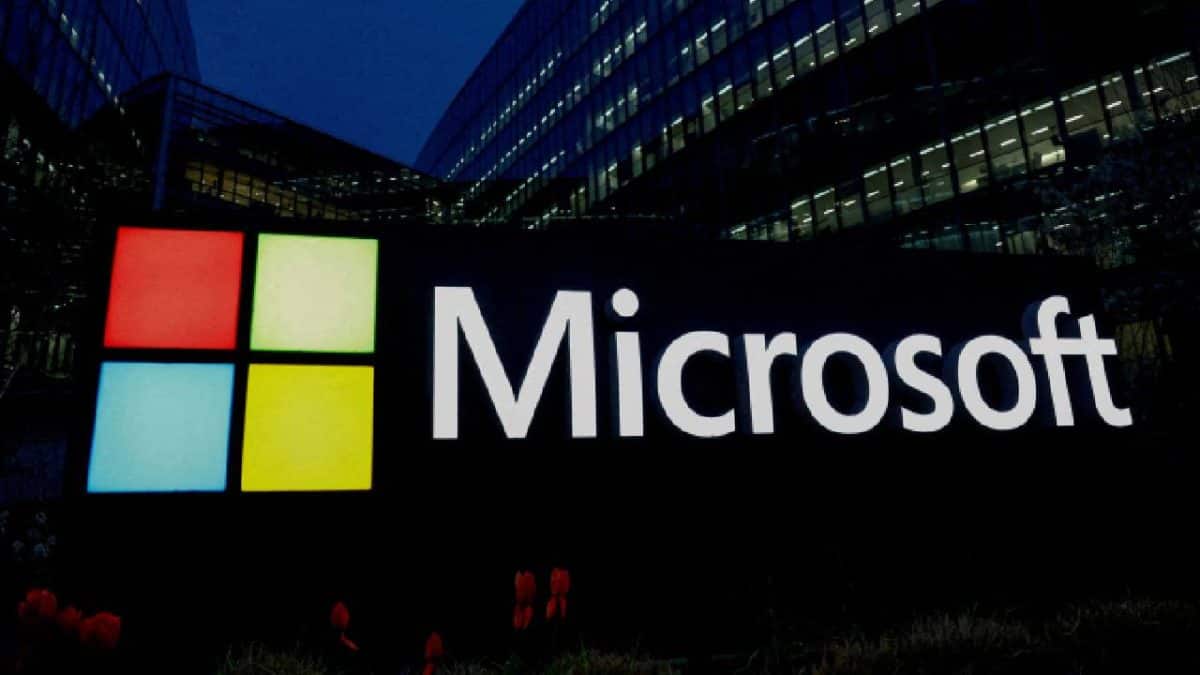
Microsoft is a big technology company that makes Windows, a popular computer program, and offers cloud services to businesses.
For a long time, Microsoft had offices and partners in China.
Now, Microsoft is slowly leaving China and closing many of the places where it worked.
One reason is that the United States and China do not agree about technology, so the US made rules that stop advanced computer chips from going to China.
Those rules also make it hard for Microsoft's workers in China to do their jobs.
Another reason is that China wants to use computer programs made by its own companies instead of foreign ones like Windows.
Microsoft now earns only about 1.5 percent of its money in China.
Microsoft offered jobs in other countries to about 1,000 engineers in China, but only about one in three decided to move.
Some engineers chose to work for Chinese companies instead.
Chinese chipmakers are also doing better, and that may take business away from another US company called Nvidia.

Microsoft has shut down at least 15 branches, offices and joint ventures in China over the last five years, according to corporate filings reviewed by Reuters.
China now accounts for only about 1.5% of Microsoft's global revenue, and the company considered leaving the market in 2023 before deciding to stay.
US export controls on advanced chips and AI technologies have restricted Microsoft's China-based engineers' access, and only about a third of roughly 1,000 engineers offered transfers in 2024 accepted.
Microsoft has opened research labs in Vancouver, Singapore and Tokyo and offered relocation to top engineers, while some senior researchers moved to Chinese universities and tech companies.
Chinese GPU and AI chipmakers captured nearly 41% of China's AI accelerator server market last year, and Nvidia's share of AI chips in China is projected to fall from 40% to 8% by 2026.
- Who
- Microsoft, along with other tech firms affected by US-China tensions such as Nvidia and Huawei.
- What
- Microsoft is scaling back its China presence, having shut down at least 15 branches, offices and joint ventures in China over the last five years.
- Where
- China, while Microsoft has opened alternative research labs in Vancouver, Singapore and Tokyo.
- When
- Over the last five years, with Microsoft having weighed exiting the market in 2023.
- Why
- Geopolitical tensions, US export controls on advanced technology and Beijing's push for domestic software and hardware undermined Microsoft's business and talent retention.
Washington's View
Beijing's View
US export controls on advanced chips and AI
Washington's View
US export controls restrict China-based engineers' access to advanced chips and AI technologies, hindering Microsoft's and Nvidia's ability to scale in China.
Beijing's View
Beijing's growing concern about dependence on foreign chips has pushed government agencies and companies to adopt domestic alternatives after waves of Washington-backed export controls.
China's push for domestic software
Washington's View
Beijing's procurement guidelines favor 'safe and reliable' domestic software, which Beijing argues is more secure, and no foreign operating system, including Windows, is deemed compliant.
Beijing's View
Microsoft's ambitions to become the Chinese state's technology vendor fell out as no foreign operating system is recognized as compliant, undermining its market prospects.
Key facts
- Company
- Microsoft
- Units closed in China (5 years)
- At least 15 branches, offices and joint ventures
- China's share of Microsoft global revenue
- About 1.5%
- Year Microsoft weighed exiting China
- 2023
- Engineers offered transfers in 2024
- Roughly 1,000; about a third accepted
- Domestic chipmakers' share of China AI accelerator server market
- Nearly 41% last year
- Nvidia's projected China AI chip share by 2026
- 8%, down from 40%
- Key Microsoft clients in China
- ByteDance and Shein (via Azure cloud)
Sources
Related news

China Accelerates Windows Replacement to Reduce US Technology Dependence

China Orders Agencies To Remove Microsoft Windows Early
Nvidia Develops China-Specific AI Chip Amid Export Restrictions

Trump-backed crypto firm backs AI venture offering restricted Chinese models
US examines how China rents Nvidia chips it cannot buy

ONAM Cloud Launches Enterprise Infrastructure for Indian Startups
Microsoft CEO Satya Nadella’s Pay Soars Amid AI, Cloud Growth

Microsoft Employee Data Reveals AI and Cloud Compensation

GitHub CTO Apologises After Platform's Major 7.5-Hour Outage

GitHub Blames Seven-Hour Outage on Critical Infrastructure Failure