

1 day ago
Flydubai Incident Highlights Cockpit Security Tradeoffs
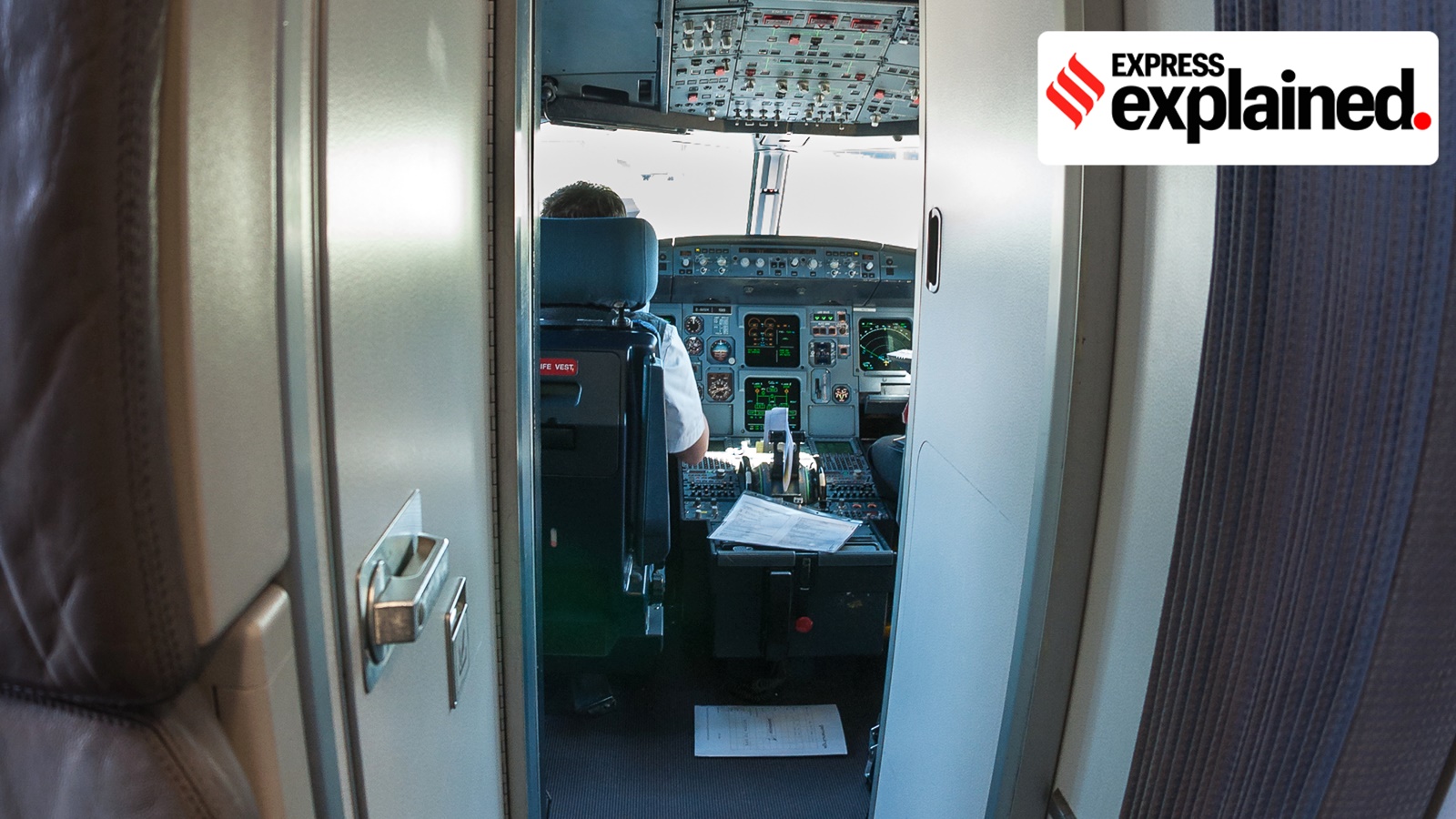
A flydubai pilot reportedly fought a co-pilot who tried to crash a plane.
The pilot was hurt but managed to open the cockpit door.
This allowed other people to enter and stop the attacker.
Cockpit doors are very strong and are usually locked during flights.
They were made stronger after the September 11 attacks to stop hijackers from reaching pilots.
Crew members normally use a keypad, and pilots control whether the door opens.
Some experts say these rules protect the cockpit from dangerous intruders.
Others say they can make it harder to help when a pilot becomes dangerous.
Airlines have also considered rules requiring two people to remain in the cockpit.

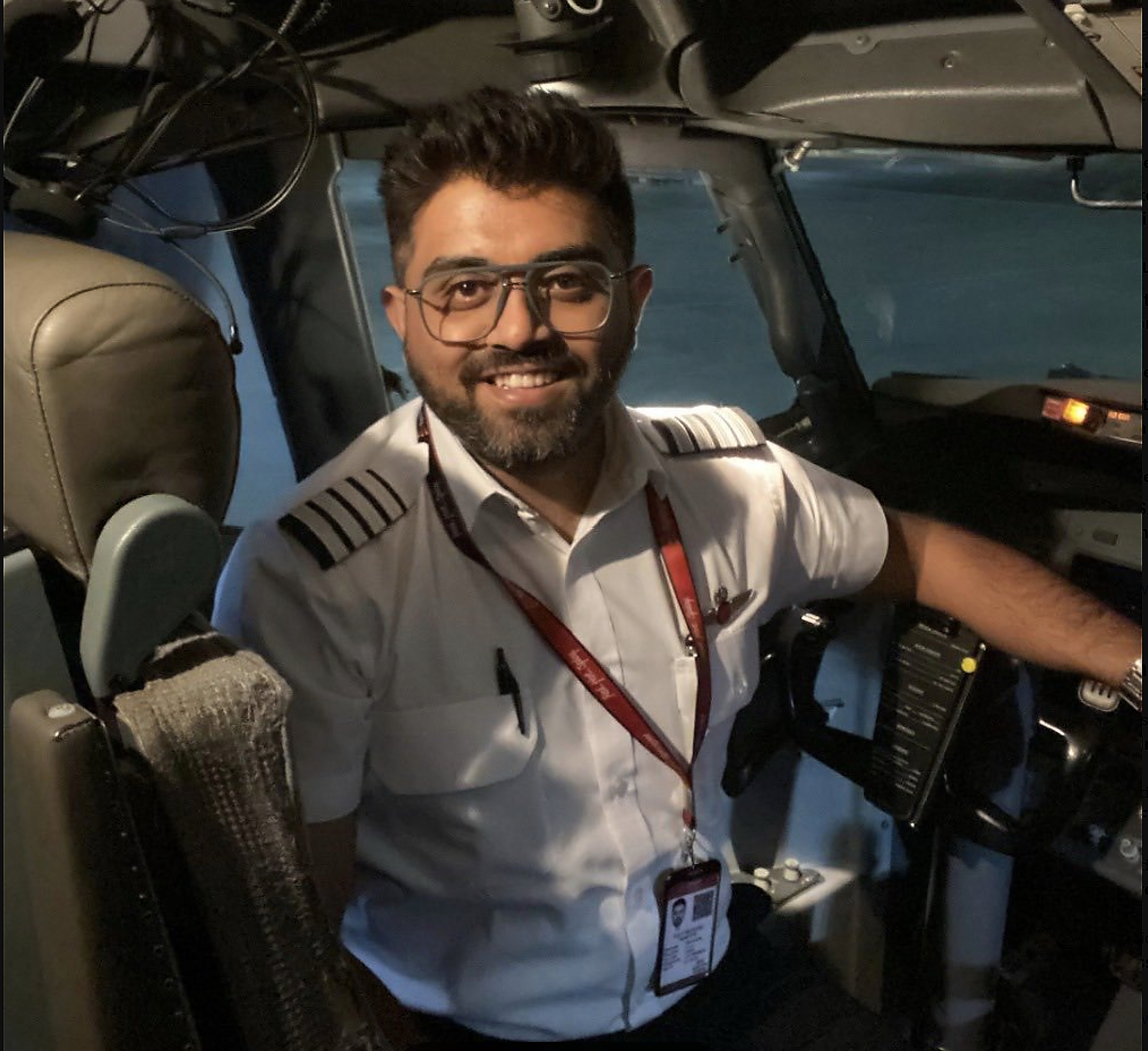
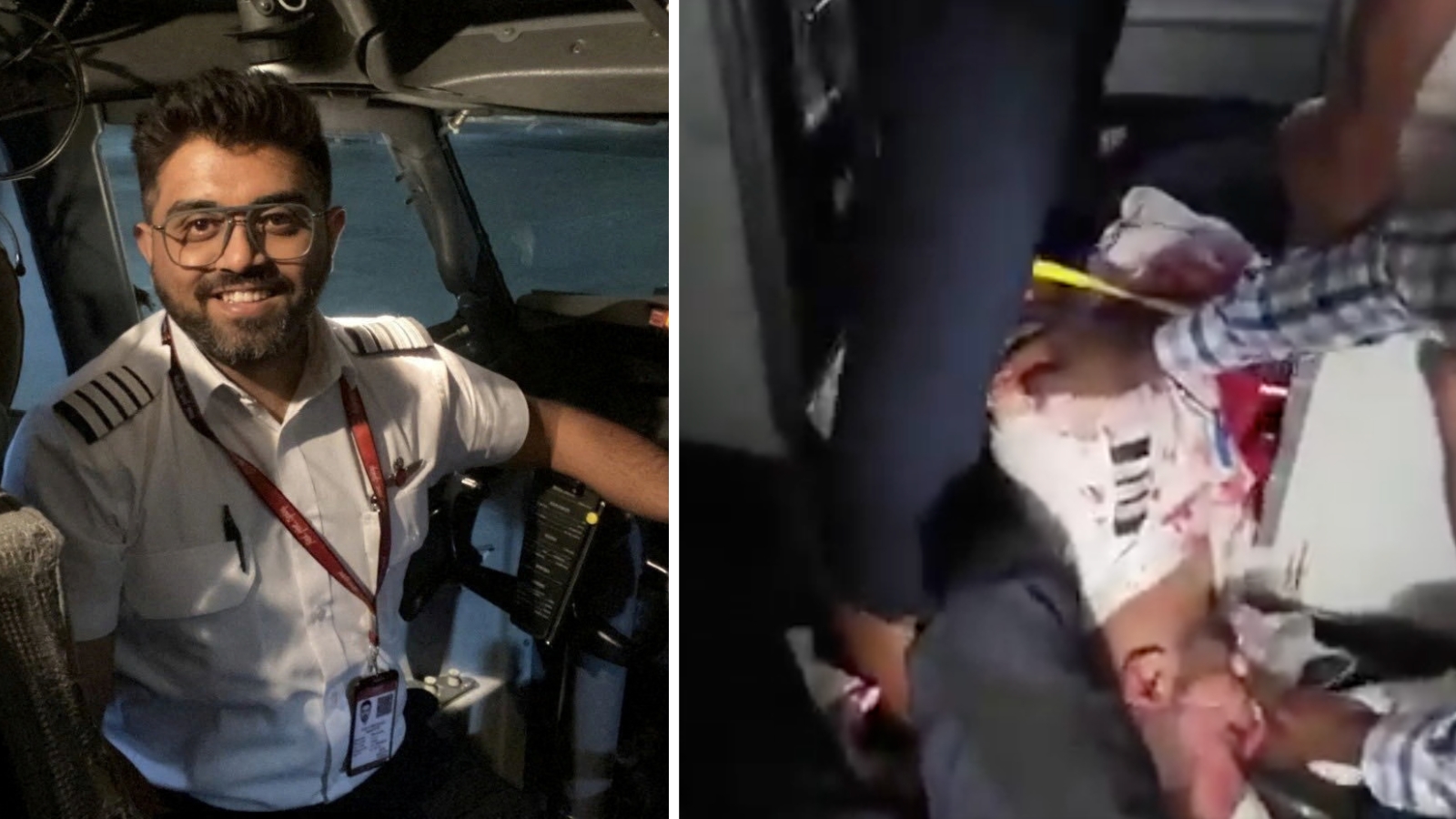
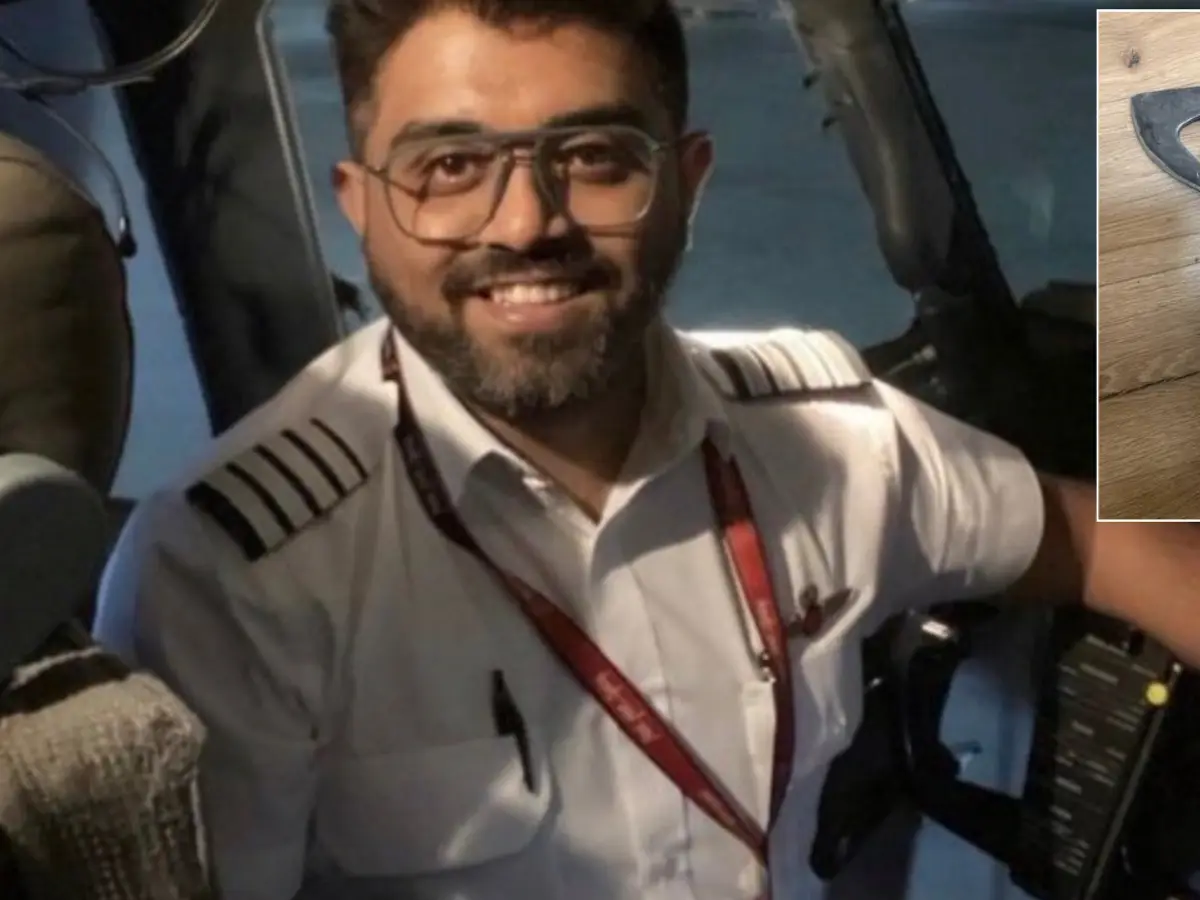
Pilot Smit Machchhar reportedly fought a co-pilot who attempted to crash a flydubai flight from Dubai to Tel Aviv.
Machchhar opened the reinforced cockpit door while injured, allowing others to enter and overpower the attacker.
Modern cockpit doors are typically locked and can be opened through coordinated keypad and cockpit-panel procedures.
The United States required airlines to reinforce cockpit doors after the September 11, 2001 attacks.
Experts disagree over whether strict cockpit-access rules prevent more harm than they create in pilot-related emergencies.
- Who
- Indian pilot Smit Machchhar, his co-pilot, and other people who entered the cockpit; aviation regulators and experts are also discussed.
- What
- A reported attempted takeover of a flydubai flight and a wider examination of reinforced cockpit doors and cockpit-access rules.
- Where
- On a flight from Dubai to Tel Aviv; the article also discusses aviation rules in the United States and Europe.
- When
- The flydubai incident is discussed in the context of post-September 11 security rules; those rules were strengthened in November 2001 and January 2002.
- Why
- Cockpit doors and access procedures were strengthened after the September 11 attacks to prevent unauthorized entry, but the rules have been criticized after pilot-related incidents.
Critics of Strict Access Rules
Supporters of Strict Access Rules
Balancing security risks
Critics of Strict Access Rules
Aviation expert Philip Baum said the industry has lost more lives from aircraft-assisted suicide since September 11 than from terrorism.
Supporters of Strict Access Rules
Other experts argue that strong cockpit safeguards remain essential for protecting pilots and aircraft from intrusion and terrorism.
Two-person cockpit rules
Critics of Strict Access Rules
The Germanwings crash and the flydubai incident have prompted questions about whether one pilot can be left alone or locked out of the cockpit.
Supporters of Strict Access Rules
Rules requiring two people to remain in the cockpit are intended to reduce the danger of a single pilot becoming incapacitated or acting deliberately.
Access during emergencies
Critics of Strict Access Rules
Highly reinforced doors and delayed or pilot-controlled entry can make it difficult for people outside the cockpit to respond quickly when an emergency occurs.
Supporters of Strict Access Rules
The locked-door system is designed to prevent unauthorized access, with emergency procedures and pilot coordination providing controlled entry.
Key facts
- Flight route
- Dubai to Tel Aviv
- Pilot identified
- Smit Machchhar
- Reported threat
- The co-pilot reportedly attempted to crash the flight
- Door operation
- A crew member enters a code, after which pilots control access through a cockpit panel
- Post-9/11 legislation
- The Aviation and Transportation Security Act was passed in November 2001
- Reinforcement deadline
- U.S. air carriers met the reinforced-cockpit-door requirement by April 2003
- Two-person rule
- The article says having two people in the cockpit is now the norm across airlines worldwide
Quotes
David Schaper
Journalist who wrote about pre-9/11 airport and aviation security for NPR.
“It’s hard to fathom now, but we used to be able to arrive at the airport just minutes before a flight. We’d keep our shoes and coats on as we went through a simple metal detector, and virtually anyone could go right to the gate without a boarding pass or even showing an ID.”
 indianexpress.com
“We have as an industry lost more lives on commercial aircraft as a result of aircraft-assisted suicide since 9/11 than we have due to terrorism.”
indianexpress.com
Sources
Related news
Flydubai Cockpit Door Opening Exposes Aviation Security Gap
Flydubai Attack Revives Fears Over Aviation Insider Threats
Flydubai Attack Highlights Five Other Unusual Cockpit Incidents

Flydubai Cockpit Attack Raises Questions About Aircraft Security
Pilot Heroism Reopens Debate Over Cockpit Safety Technology
Flydubai Flight Diverts After Alleged Cockpit Axe Attack

Blue Jays avoid Rangers sweep with 7-2 win in Texas

Justin Slaten likely done for season with elbow inflammation

Trump’s Eyes-Closed Moment at 9/11 Ceremony Sparks Claims

Former NYU Student Recalls 9/11 Horror From Nearby
