

7 months ago
Europa's Ice May Transport Life-Supporting Chemicals to Ocean
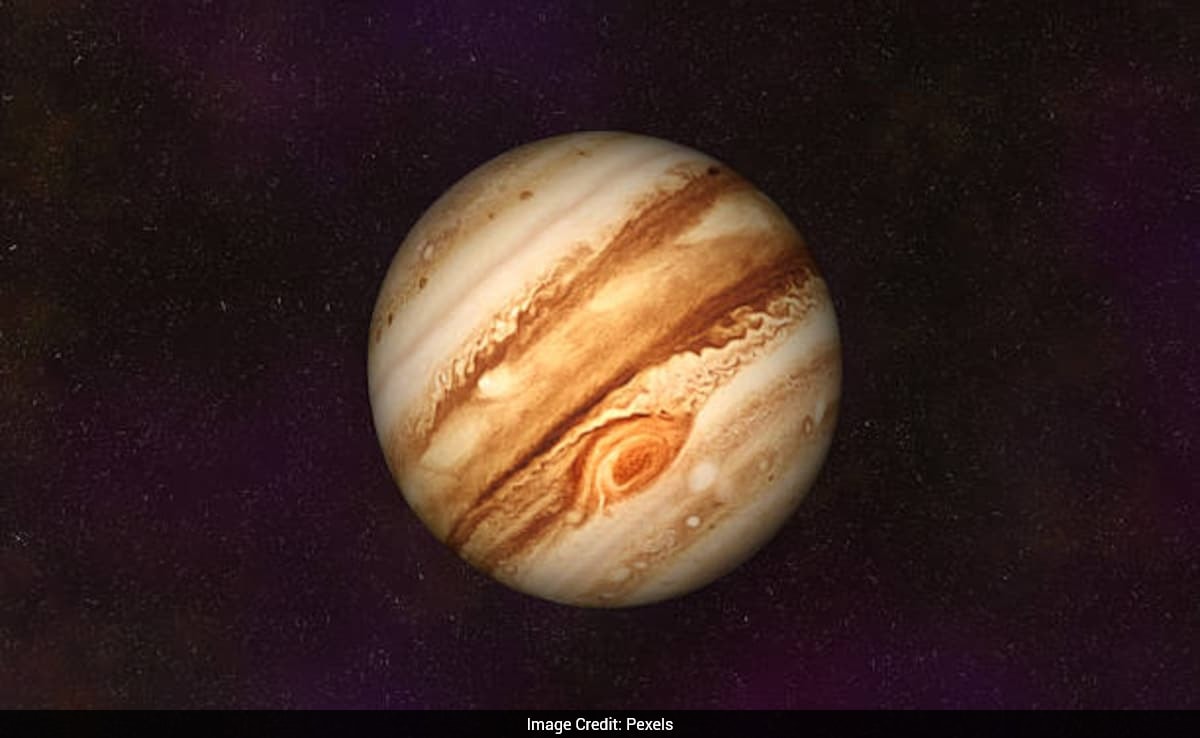
Scientists have discovered that Europa, one of Jupiter's moons, might have a way to send important chemicals to its hidden ocean.
Europa has a big ocean under its icy surface, but it doesn't have oxygen or sunlight like Earth.
This means any life there would need special chemicals for energy.
A new study shows that salty ice on Europa's surface might break off and slowly sink through the ice, taking these important chemicals to the ocean.
This process is like when parts of Earth's crust sink into the mantle.
NASA's Europa Clipper mission, which launched in 2024, will study Europa more closely when it arrives in 2030.
The study was published in a science journal on January 20.

Europa's surface ice may transport life-supporting chemicals to its subsurface ocean through a process called lithospheric foundering.
Salty ice patches on Europa's surface are denser and weaker, allowing them to break apart and slowly sink through the ice layer.
The process could take between 1 million to 10 million years, depending on the condition of the ice.
NASA's Europa Clipper mission, launched in 2024, will study Europa in detail upon its arrival in 2030.
The study was published in 'The Planetary Science Journal' on January 20.
- Who
- Researchers at Washington State University
- What
- A study suggesting Europa's surface ice may transport life-supporting chemicals to its subsurface ocean
- Where
- Europa, Jupiter's icy moon
- When
- The study was published on January 20; NASA's Europa Clipper mission launched in 2024 and will arrive in 2030
- Why
- To understand how life-supporting chemicals might reach Europa's subsurface ocean
Key facts
- Moon
- Europa
- Parent Planet
- Jupiter
- Key Process
- Lithospheric Foundering
- Ice Layer Thickness
- 30 kilometers
- Mission
- NASA Europa Clipper
- Mission Launch Year
- 2024
- Mission Arrival Year
- 2030
- Study Journal
- The Planetary Science Journal
- Study Publication Date
- January 20
Quotes
The study
A research study published in The Planetary Science Journal
“could be an effective way to transport surface material to the ocean beneath Europa.”
 NDTV
NDTV

