3 days ago
AstroForge Plans Fully Autonomous AI-Controlled Spacecraft Mission For 2027
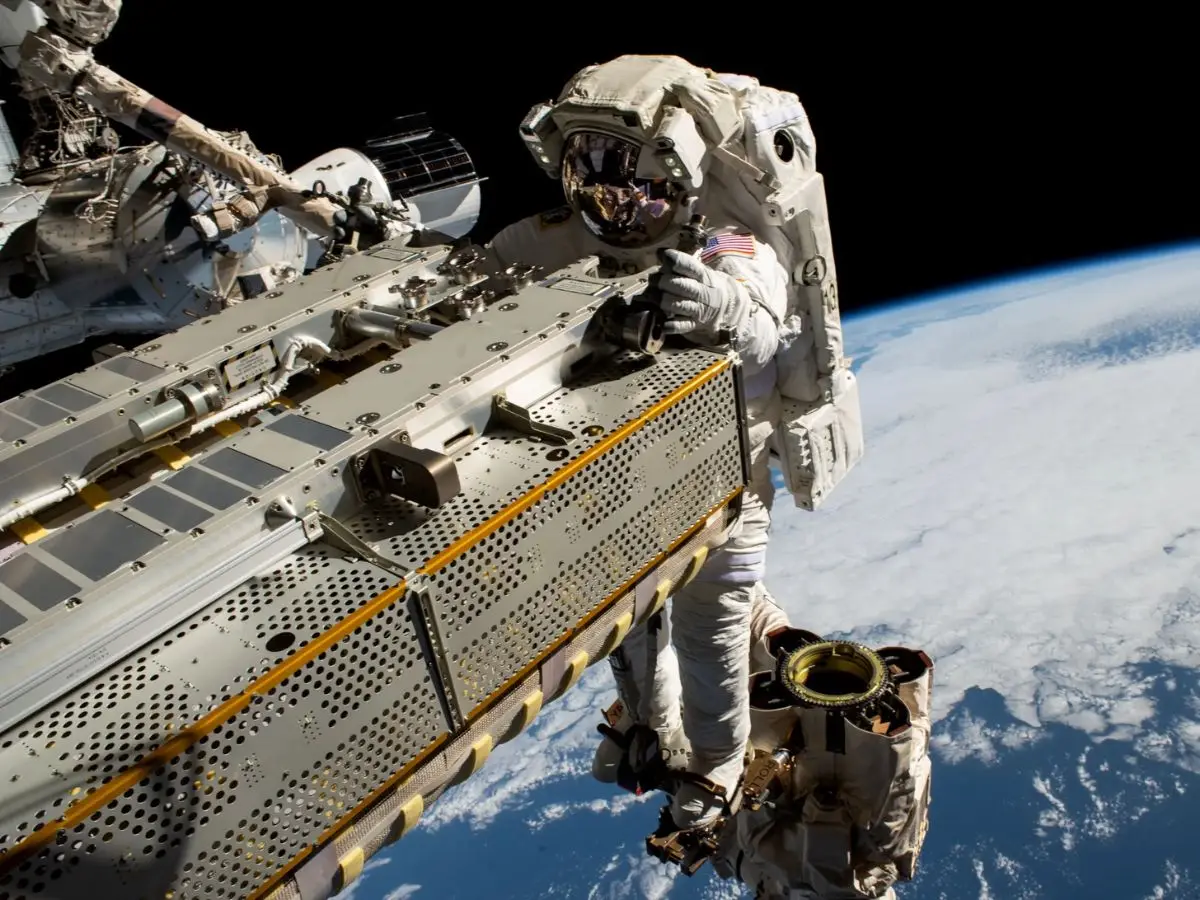
AstroForge is building a spacecraft that could fly itself in space.
The spacecraft is called Autonomy-1 and is planned for launch in early 2027.
It would use an AI system named Solo to make decisions.
Solo would help control the spacecraft and handle unexpected problems.
People on Earth would not send commands after the spacecraft leaves its rocket.
This could help because messages take a long time to travel through deep space.
The spacecraft will also carry a real NASA science instrument.
However, this has not happened yet, and an earlier mission will test Solo without allowing it to control the spacecraft.

AstroForge says its Autonomy-1 spacecraft is scheduled to launch in early 2027.
The spacecraft would operate after separation without commands from Earth, according to the company.
Its in-house Solo AI would coordinate onboard systems and respond to anomalies in real time.
Solo was trained using data from roughly 2,500 spacecraft sensors and operates above traditional flight software.
Autonomy-1 will carry a NASA heliophysics instrument, while an earlier mission will test Solo in shadow mode.
- Who
- AstroForge, a space-mining startup, is developing the mission with its Solo AI system and a NASA heliophysics instrument.
- What
- The company plans to make Autonomy-1 operate independently after rocket separation, without commands from Earth.
- Where
- The spacecraft will operate in space, although the articles do not specify its destination.
- When
- The launch is planned for early 2027; an earlier mission is expected to test Solo in shadow mode.
- Why
- Autonomous operation could reduce dependence on delayed communications and allow the spacecraft to respond to faults in real time.
Case for Full Autonomy
Reasons for Caution
Mission control
Case for Full Autonomy
AstroForge says Solo could let the spacecraft complete its objectives without commands from Earth and respond to anomalies in real time.
Reasons for Caution
Without a human able to intervene in time, an incorrect autonomous decision in deep space could jeopardize the mission.
Evidence of reliability
Case for Full Autonomy
Autonomy-1 will carry a genuine NASA scientific payload, demonstrating the company’s confidence in using Solo for an operational mission.
Reasons for Caution
The 2027 launch is only an announced plan, and the system has not yet demonstrated full autonomous control in flight.
Testing approach
Case for Full Autonomy
Shadow-mode testing on an earlier mission could allow Solo’s decisions to be compared with real conditions before full control is granted.
Reasons for Caution
Because shadow-mode decisions will not actually control the spacecraft, that test may not fully establish how Solo performs when its actions carry real consequences.
Key facts
- Company
- AstroForge
- Spacecraft
- Autonomy-1
- Planned launch
- Early 2027
- AI system
- Solo, an in-house transformer-based model
- Training data
- Data from roughly 2,500 spacecraft sensors
- Payload
- A NASA heliophysics instrument
- Earlier test
- Solo will operate in shadow mode, with its decisions not executed
Sources
Related news

AI Could Fuel a New Space Race by 2030

Google's Project Suncatcher Tests AI Chips in Space
Indian startup TakeMe2Space plans orbital computing satellite launch on SpaceX

Google’s Project Suncatcher Tests AI Data Centers in Space
Anthropic Reports Autonomous Drone Swarm Development by Russian Actors