3 hrs ago
Arab and Muslim Countries Back UK Sanctions on Israeli Settlements
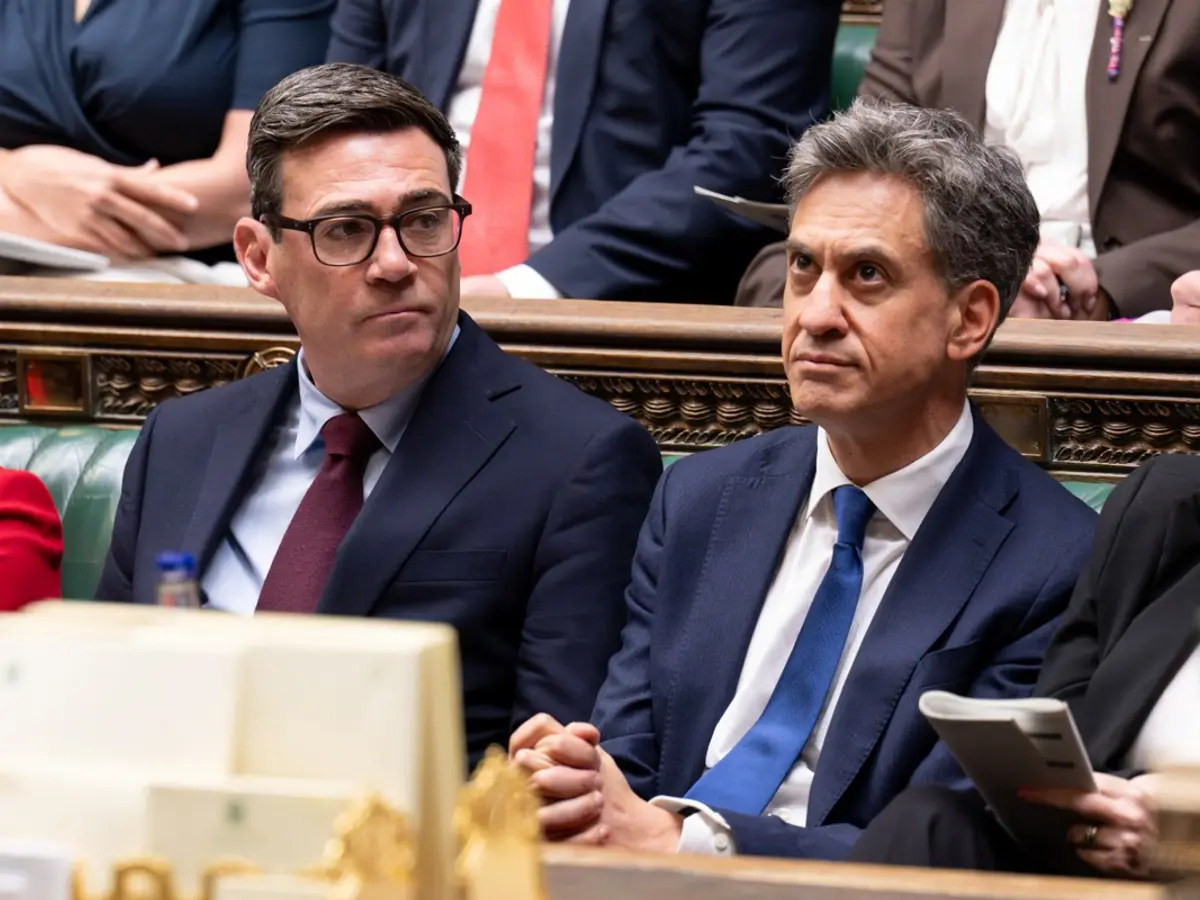
Eight Arab and Muslim countries support Britain’s new restrictions on goods from Israeli settlements in the occupied West Bank.
They want more countries to take similar steps.
Britain says the measures are meant to oppose settlement activity and support the possibility of a two-state solution.
The restrictions also target some services, companies, people and property advertising connected to settlements.
However, it may be hard to tell whether products come from Israel, Palestinian areas or settlements.
The UK plans to use postal codes, but the article says this could be bypassed or difficult to check.
Britain will not ban exports under this policy.
Critics also say the UK still has important defence and business connections with Israel.
The final impact will depend on how the rules are designed and enforced.

Jordan, the United Arab Emirates, Indonesia, Pakistan, Türkiye, Saudi Arabia, Qatar and Egypt welcomed the UK’s settlement-related import ban.
The eight countries urged Britain to encourage other governments to adopt similar measures, citing international law.
The UK announced five measures targeting settlement-linked trade, services, property promotion, facilitators and human-rights violators.
The policy’s effectiveness could be limited because customs officials may struggle to distinguish Israeli, settlement and Palestinian goods.
Critics point to continuing UK defence-related ties with Israel, including exports, military facilities and contracts involving settlement-linked companies.
- Who
- The United Kingdom and eight supporting countries—Jordan, the United Arab Emirates, Indonesia, Pakistan, Türkiye, Saudi Arabia, Qatar and Egypt—are central to the report.
- What
- The eight countries backed UK-led sanctions and called for wider restrictions on goods and activities linked to Israeli settlements.
- Where
- The measures concern Israeli settlements in the occupied West Bank and UK trade with Israel and Palestinian areas.
- When
- The joint statement followed the UK’s announcement of the measures; the article refers to announcements made on Tuesday and Wednesday but gives no exact date.
- Why
- The countries said the steps are consistent with international law, while the UK said action was needed to support a two-state solution and respond to injustice.
Supporters of sanctions
Critics and skeptics
Purpose of the measures
Supporters of sanctions
The UK and supporting countries say sanctions are needed to respond to injustice, comply with international law and preserve the possibility of a two-state solution.
Critics and skeptics
Critics argue the policy is incomplete because it does not cover exports and may not substantially change broader UK-Israel economic and defence ties.
Practical effectiveness
Supporters of sanctions
Supporters regard restrictions on settlement-linked goods, services, companies and property advertising as concrete action against settlement activity.
Critics and skeptics
Skeptics say postal-code checks may be bypassed and that customs officials may be unable to verify whether goods originate in Israel, Palestinian areas or settlements.
Consistency of UK policy
Supporters of sanctions
The UK says it has strengthened its sanctions regime and imposed restrictions on arms and exports used in the occupation.
Critics and skeptics
Jeremy Corbyn and other critics point to continuing UK support for Israeli defence manufacturers, military facilities, F-35 parts and large contracts as a contradiction.
Key facts
- Supporting countries
- Jordan, the United Arab Emirates, Indonesia, Pakistan, Türkiye, Saudi Arabia, Qatar and Egypt
- UK trade with Israel
- £6 billion ($8.1 billion) in 2025, according to UK government figures
- UK trade with Palestine
- Trade in the financial year ending March 2026 was reported at £40 million
- UK imports from Palestine
- £6 million, according to the article
- UK measures
- The package covers settlement-linked trade, services, facilitators, property promotion and human-rights violators
- Export policy
- The settlement import ban does not include exports
- Reported public contracts
- Seventeen settlement-linked companies reportedly hold £2.1 billion in UK public-sector contracts
- Implementation concern
- The UK has acknowledged difficulty obtaining accurate figures for trade with Israeli settlements
Quotes

Jeremy Corbyn
Independent lawmaker and former Labour Party leader
“Yesterday I called for the British government to end the use of British military facilities by Israel, and to end the manufacture of Elbit Systems in Britain and the supply of parts for the F-35 jets, which are being made in Britain”
 wionews.com
“Leadership is about taking action where there is injustice, where we need to correct unfairness, people being driven out of their homes.”
wionews.com
Eight Arab and Muslim countries
Foreign ministers of Jordan, the UAE, Indonesia, Pakistan, Türkiye, Saudi Arabia, Qatar and Egypt
“welcome the decision of the Government of the United Kingdom to ban the import of goods from illegal Israeli settlements in the Occupied Palestinian Territory.”
wionews.com
Sources
Related news
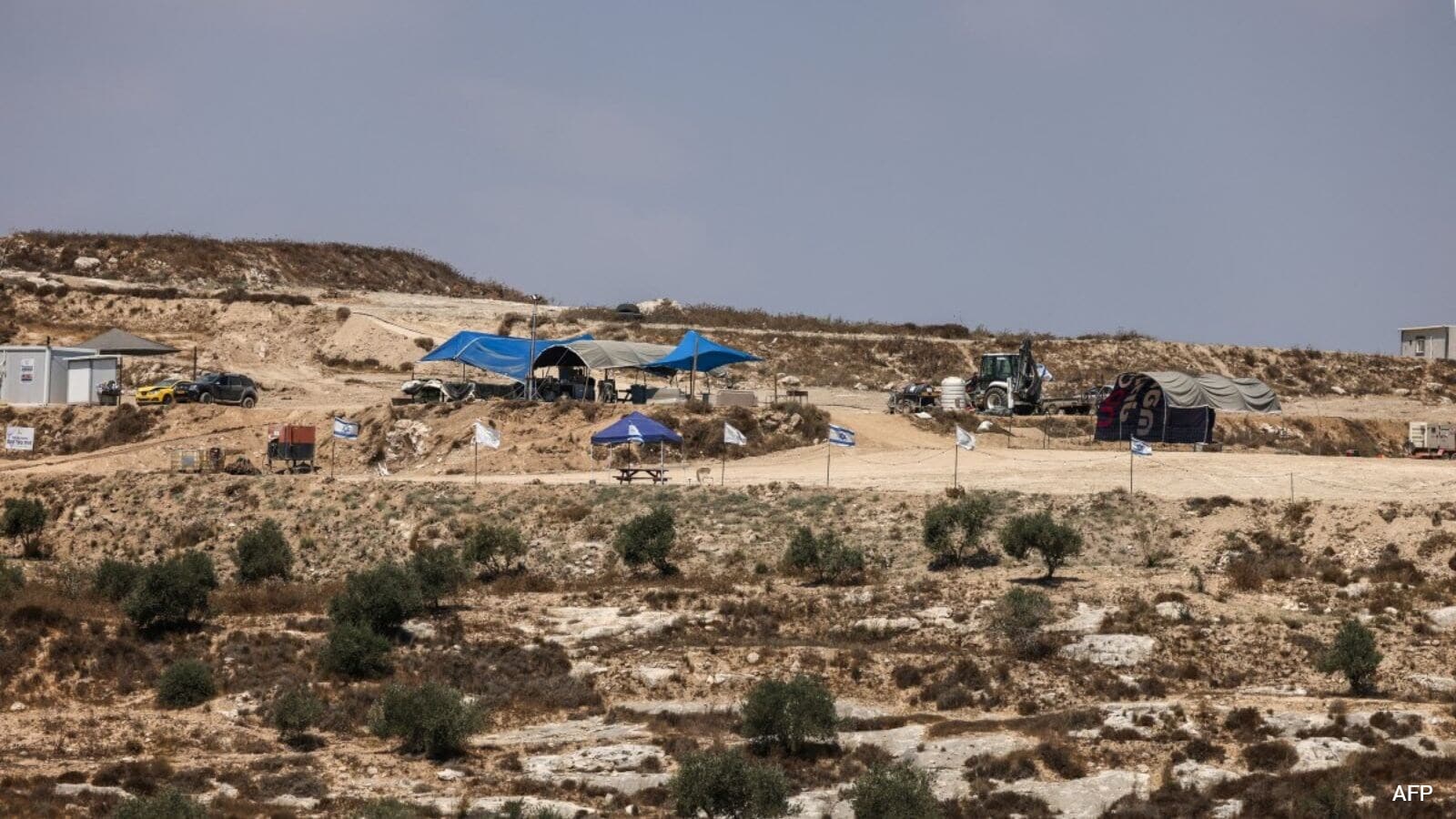
Twelve Countries Restrict Trade With Israeli West Bank Settlements

Britain Targets West Bank Settlement Goods Over Expansion
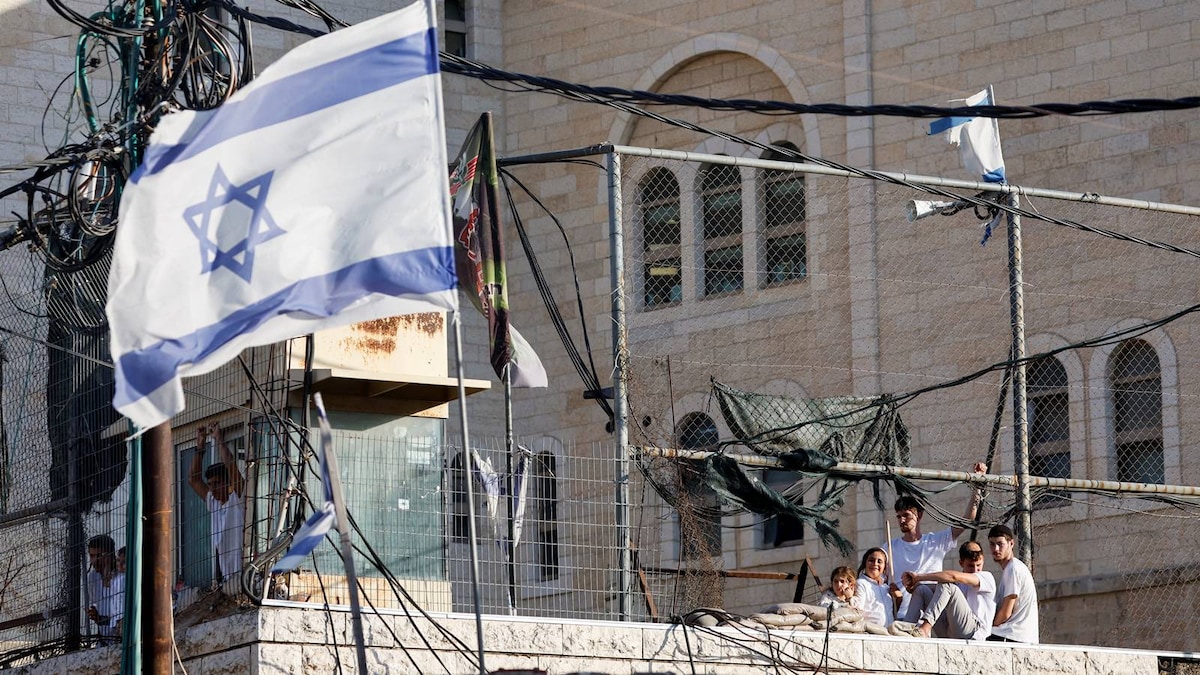
UK Plans Comprehensive Measures Against Israeli West Bank Settlements
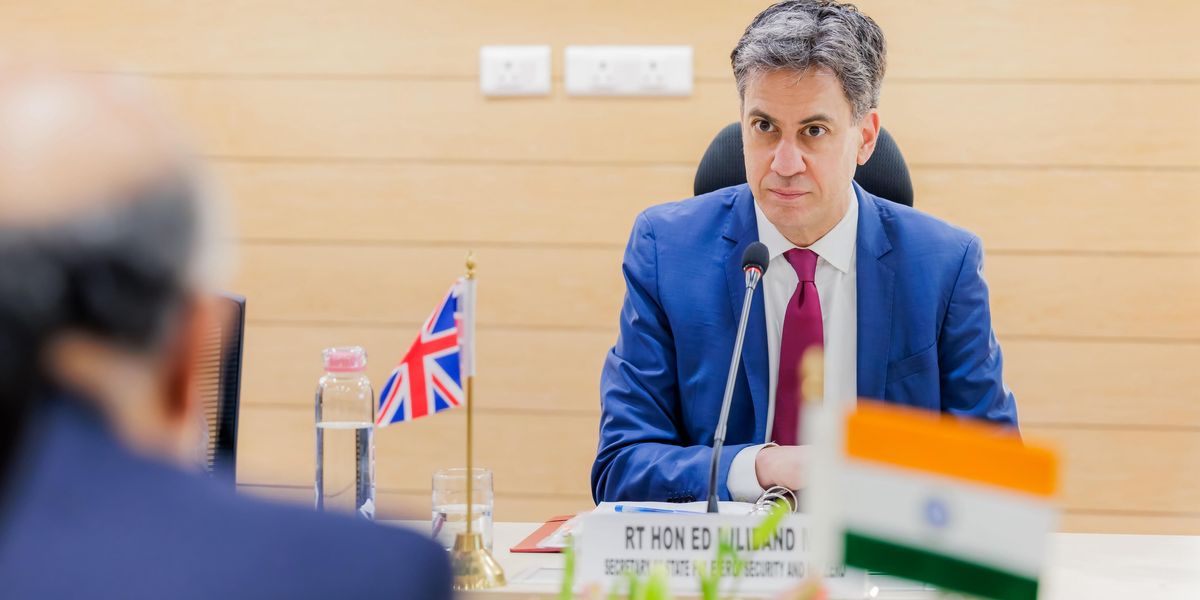
Miliband Threatens West Bank Sanctions as Israel Warns Britain

France Moves to Ban Israeli Settlement Products in West Bank
France Links West Bank Violence to Ben-Gvir Sanctions
U.N. Rights Office Condemns U.S. Terrorist Designation of Palestine Action

Report Finds Israeli Defense Funding at 15 US Universities

Amnesty Report: India's Defence Boom Fuels Arms Supplies to Israel
Supreme Court to Review Ban on Palestine Action Group