

4 hrs ago
US Uses Sun Tzu Strategy During Hormuz Oil Escort
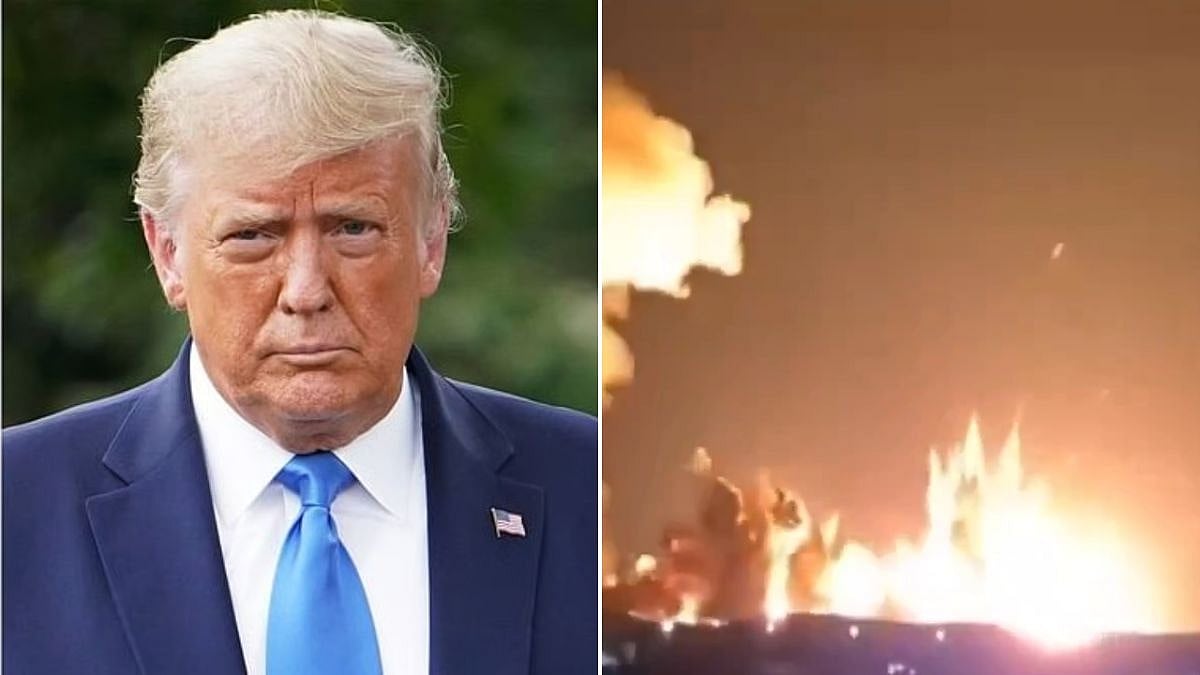
The United States sent military forces to help 40 oil-carrying ships pass through the Strait of Hormuz.
The ships carried about 18 million barrels of oil.
The passage happened during a serious conflict involving Iran.
US forces also attacked Iranian military equipment near the strait.
They defended the ships from drones and missiles.
The strait is an important route for oil shipments around the world.
The US strategy is being compared to ideas from Sun Tzu’s book The Art of War.
Energy companies are still worried about sending ships through the area, and oil prices remain high.

US forces escorted 40 commercial vessels carrying about 18 million barrels of oil through the Strait of Hormuz on Tuesday.
The operation occurred amid an escalating confrontation with Iran and marked a wartime high for escorted vessels, according to two US officials cited by CNN.
US forces reportedly struck nearly 60 Iranian military targets, including air defenses, radar systems, maritime assets, mine-laying capabilities and communications facilities.
US forces defended the vessels against drone attacks and neutralized anti-ship cruise missiles while seeking to keep commercial traffic moving.
Washington has prioritized securing the strait and restricting Iranian oil flows, while energy companies remain concerned and oil prices stay elevated.
- Who
- The United States, Iran, US military forces, commercial shipping companies and 40 commercial vessels.
- What
- US forces escorted oil vessels through the Strait of Hormuz while attacking Iranian military targets and defending against attacks.
- Where
- The Strait of Hormuz and surrounding areas, including Iranian ports and military positions.
- When
- The escort took place on Tuesday; the broader confrontation has continued for more than six months.
- Why
- Washington sought to protect commercial shipping, keep oil traffic moving, secure the strategic waterway and restrict Iranian oil flows.
US Strategic Rationale
Commercial and Regional Concerns
Military escort and shipping security
US Strategic Rationale
Washington is using military, naval, air and space-based assets to protect commercial vessels and reduce Iran’s ability to threaten shipping.
Commercial and Regional Concerns
Energy companies remain concerned about sending ships through the Strait of Hormuz despite the US escort, reflecting continued risks to commercial traffic.
Operational priorities
US Strategic Rationale
US operations have shifted toward securing the waterway and restricting Iranian oil flows, while targeting Iranian military capabilities near the strait.
Commercial and Regional Concerns
The shift reportedly places efforts to eliminate elements of Iran’s nuclear program on the back burner, making maritime control and economic pressure the immediate priorities.
Key facts
- Escorted vessels
- 40 commercial vessels
- Oil carried
- About 18 million barrels
- US strikes
- Nearly 60 Iranian military targets
- Main waterway
- Strait of Hormuz
- Pre-conflict oil traffic
- About 20 million barrels passed through the strait each day
- Reported threats
- Drone attacks and anti-ship cruise missiles
- US strategic focus
- Securing the waterway and restricting Iranian oil flows
Sources
Related news
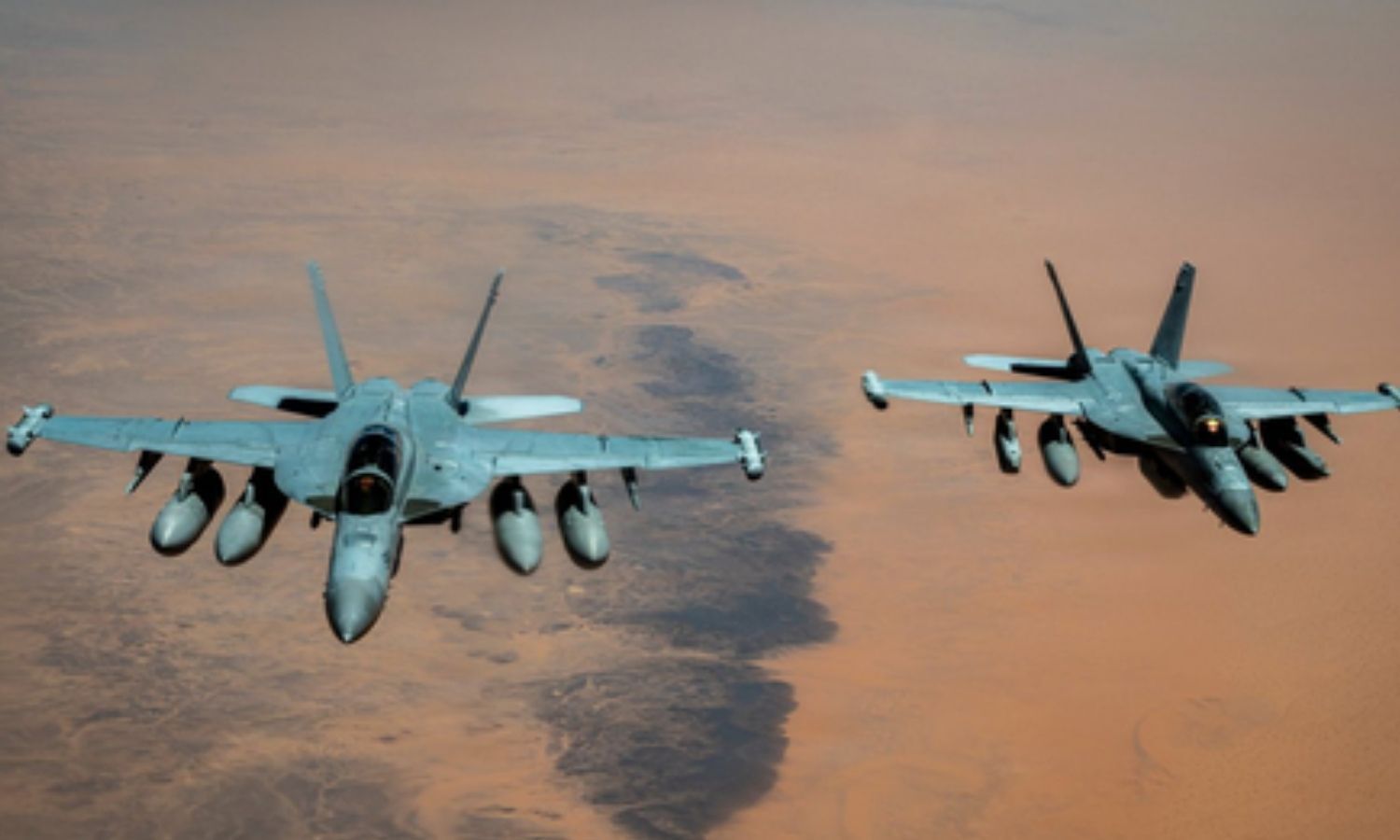
White House Says US Controls Strait of Hormuz

US, Iran Clash Over Control of Strait of Hormuz
US Oil Flows Continue as Strait of Hormuz Faces Disruption

U.S. Opens Secret Oil Corridor Through Hormuz Amid Iran Stalemate

Mine Warfare Hampers U.S. Efforts to Control Hormuz
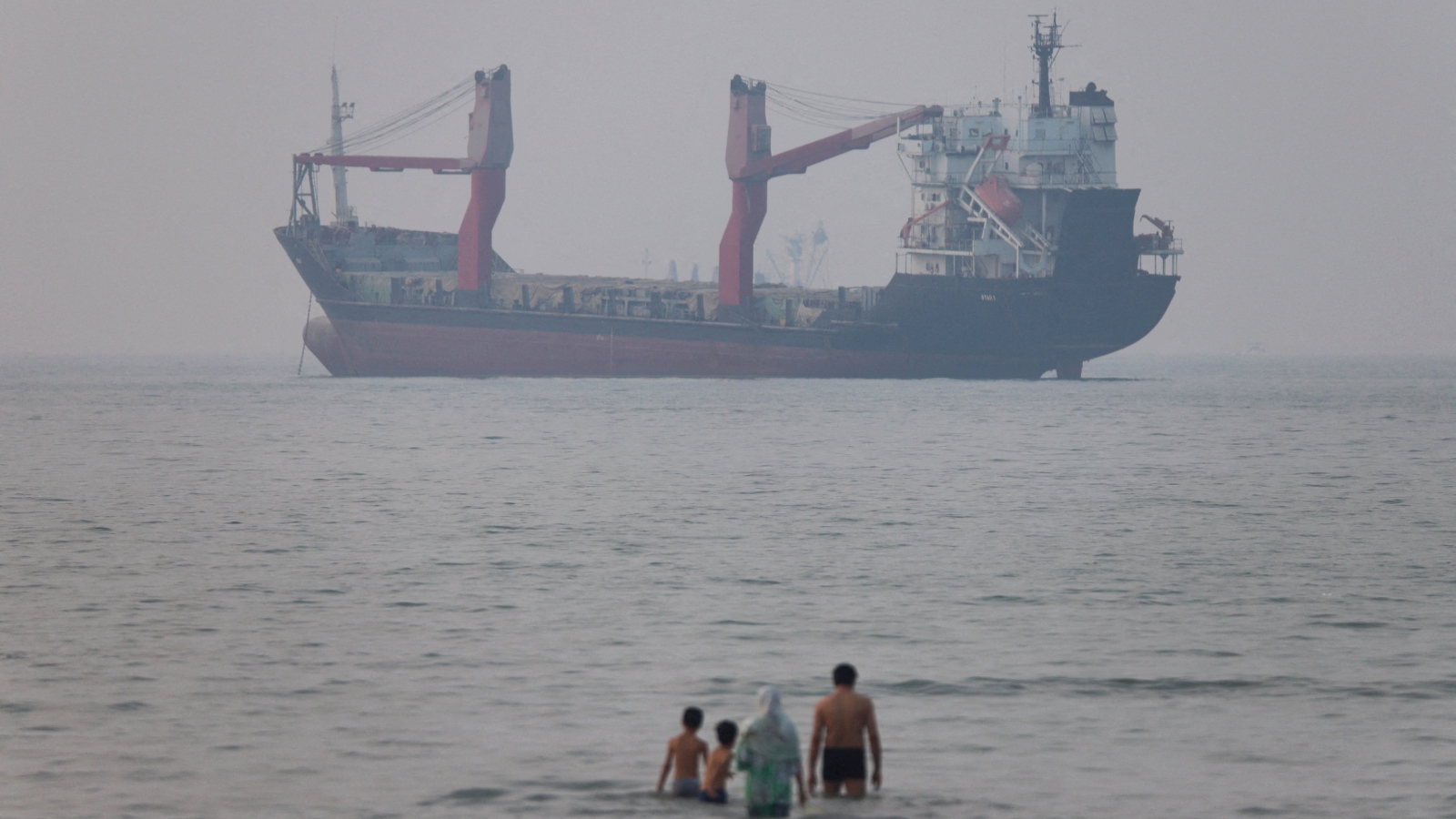
Shipping Data Challenges US Claims of Control Over Hormuz
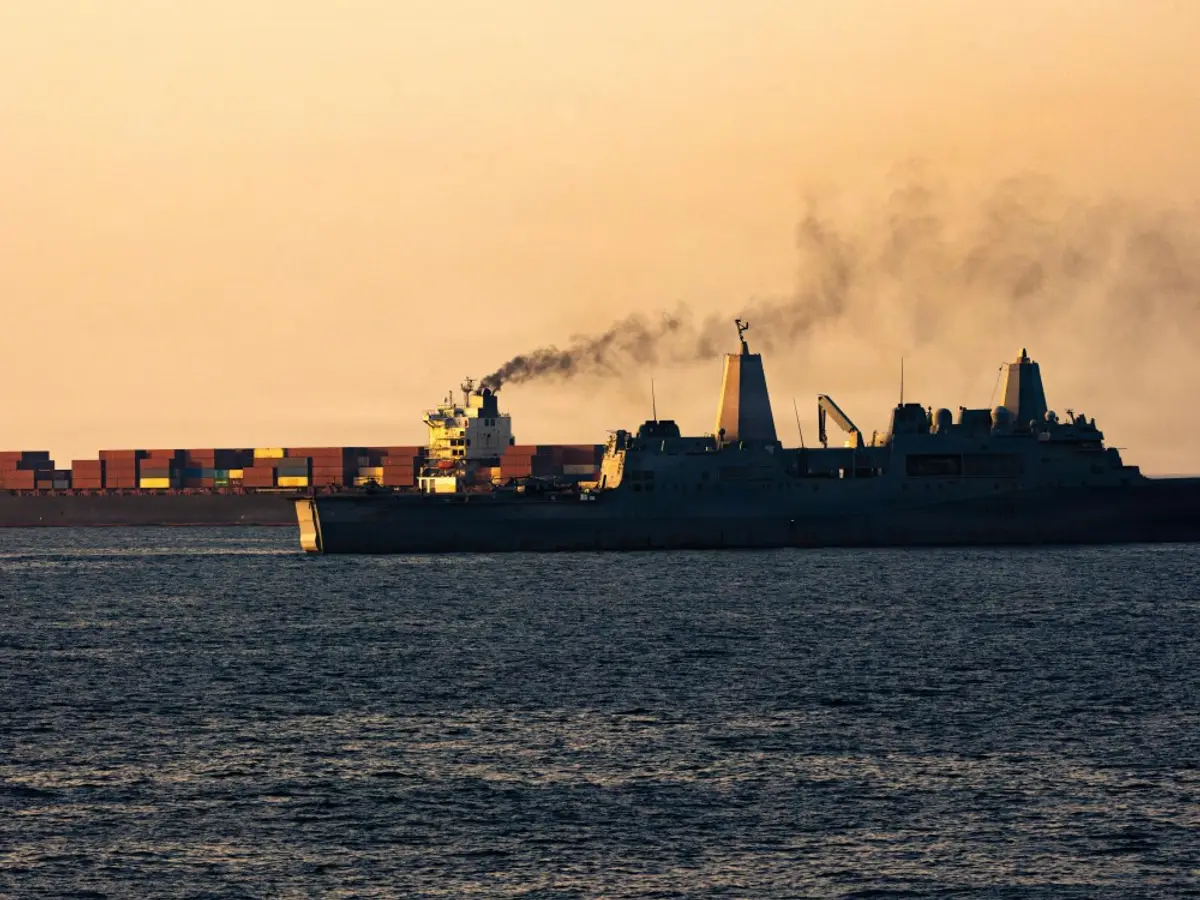
Iran Warns Strait of Hormuz Will Not Reopen Without Approval

Rupee gains for fifth session as foreign inflows bolster currency
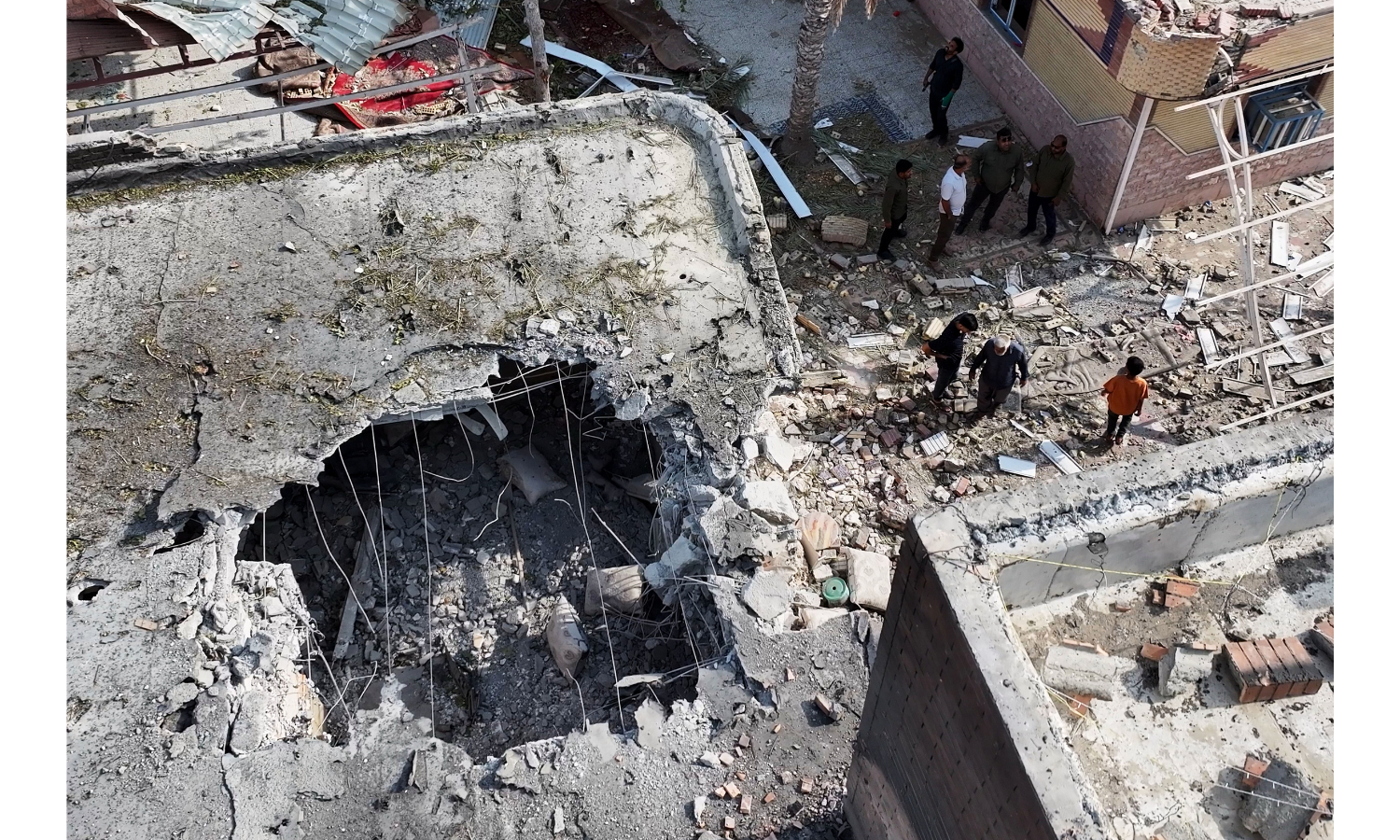
U.S. Missile Strike Hits Wedding Gathering in Southern Iran
Rubio Escalates Iran Warning as Trump Threatens Further Strikes
