

3 weeks ago
Israel Refuses Wider Withdrawal from Southern Lebanon at Rome Talks
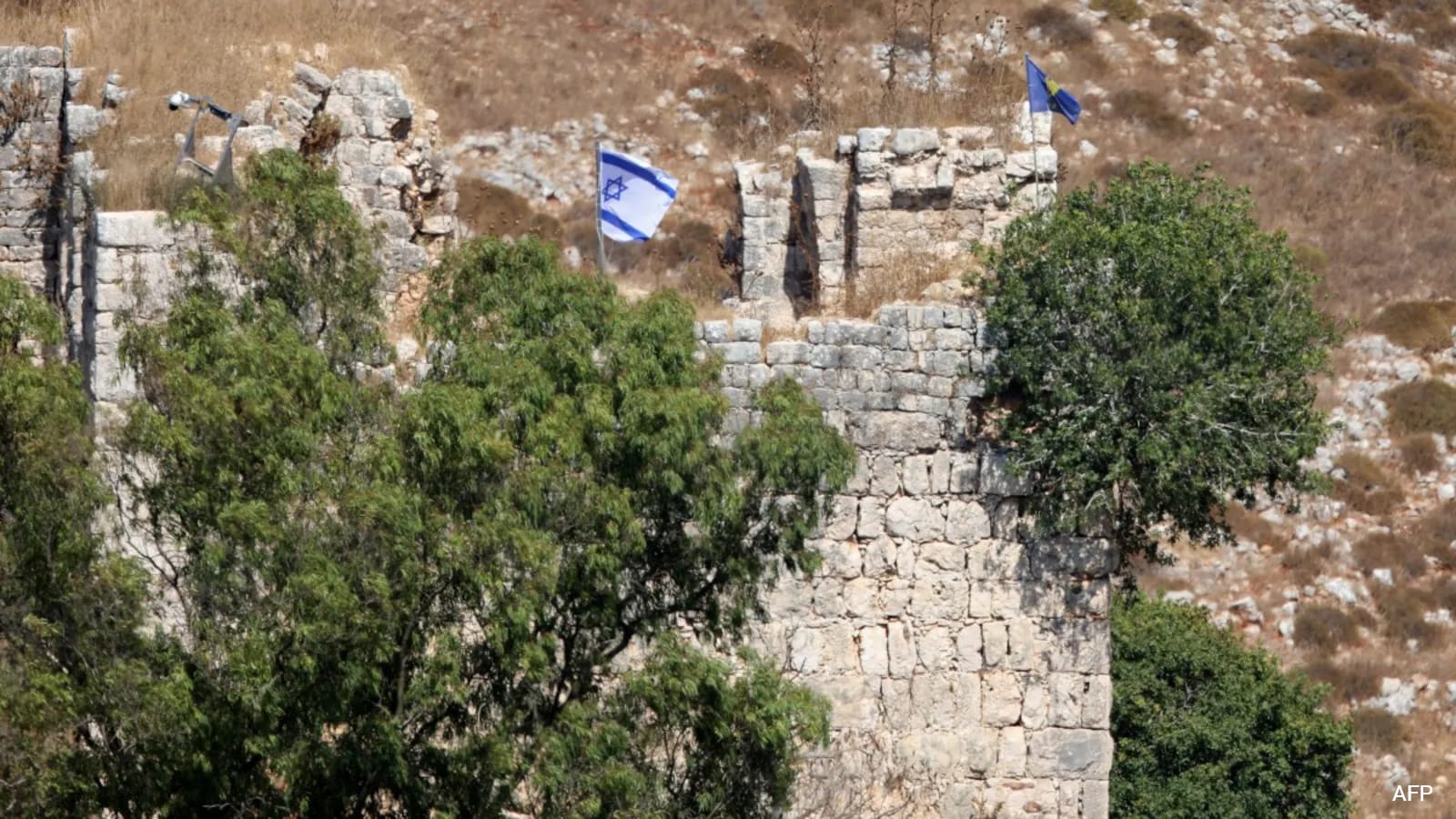
Israel and Lebanon are trying to end a big fight between Israel and a group called Hezbollah.
They met for talks in Rome, a city in Italy, with the United States helping.
Israel's soldiers are supposed to leave southern Lebanon slowly.
But Israel said it will not leave more areas unless the Lebanese army first takes full control of two special "pilot zones".
Lebanon wants to move on to new areas faster.
Israel says it is too early to tell if the first two zones are working, so moving on is not automatic.
The talks did not end with a clear decision about the pilot zones.
The United States said the talks were still productive.
Hezbollah refuses to hand over its weapons, and Israel carried out strikes after two of its soldiers died.
Lebanon says more than 4,300 people have been killed in the fighting.

Israel refused to withdraw from more areas of south Lebanon unless the Lebanese army fully controls two initial "pilot zones", a Lebanese presidential source told AFP.
The seventh round of Lebanon-Israel talks in Rome under US auspices yielded no definitive results on the pilot zones, though a US official called the talks "productive".
A June framework deal involves Hezbollah's disarmament, a gradual Israeli withdrawal, and Lebanese army deployment starting in two pilot zones.
The Lebanese army began deploying on July 21 to a pilot-zone village; Israel says expansion is "not automatic" and it is too early to assess performance.
Israel carried out strikes in the south, calling it retaliation for two soldiers killed in an explosion, while Hezbollah rejects the talks and refuses to surrender its weapons.
Lebanon says more than 4,300 people have been killed in the war, while Israel says it has lost 40 soldiers and one civilian contractor.
- Who
- Israel, Lebanon, Hezbollah, and the United States, which hosted the talks in Rome
- What
- The seventh round of Lebanon-Israel talks over Israel's gradual withdrawal from southern Lebanon, which produced no definitive results on expanding the "pilot zones"
- Where
- Rome, Italy (negotiations); southern Lebanon (withdrawal and strikes)
- When
- Talks held on a Thursday; the Lebanese army began deploying to the first pilot zone on July 21, about two weeks before the talks
- Why
- To end hostilities between Israel and Hezbollah and implement the June framework deal on Hezbollah's disarmament, Israeli withdrawal, and Lebanese army deployment
Lebanon's and Hezbollah's Perspective
Israel's and the US Perspective
Pilot zone expansion
Lebanon's and Hezbollah's Perspective
Lebanon is keen to move on to new areas and begin the next stage of the withdrawal process.
Israel's and the US Perspective
Israel insists on verifying full Lebanese army control of the first two pilot zones before any expansion; expansion is "not automatic" and it is too early to assess performance.
Assessment of the talks
Lebanon's and Hezbollah's Perspective
A Lebanese source said the talks had "not yielded definitive results" and the outlook from Beirut was dim.
Israel's and the US Perspective
A US State Department spokesperson called the talks "productive" and said the two sides are closer on what needs to be done.
Hezbollah's disarmament
Lebanon's and Hezbollah's Perspective
Hezbollah has repeatedly rejected the direct talks and refuses to surrender its weapons.
Israel's and the US Perspective
The June framework deal, agreed by Israel and Lebanon, requires Hezbollah's disarmament as part of the withdrawal process.
Key facts
- Negotiation round
- Seventh round of Lebanon-Israel talks
- Venue
- Rome, under US auspices
- Framework deal
- Agreed in June: Hezbollah disarmament, gradual Israeli withdrawal, Lebanese army deployment
- Pilot zones
- Two initial zones; Lebanese army began deploying on July 21
- Israel's condition
- No expansion until Lebanese army fully controls the first two pilot zones
- US assessment
- Talks "productive"; sides closer on expanding pilot zone process
- Hezbollah stance
- Rejects direct talks and refuses to surrender its weapons
- Casualties
- Lebanon claims over 4,300 killed; Israel reports 40 soldiers and one civilian contractor lost
Quotes
Lebanese presidential source
Anonymous Lebanese presidential source speaking to AFP
“"not automatic" and would only grow if the Israeli government sees results.”
 NDTV
NDTV
“"not yielded definitive results regarding the pilot zones"”
NDTV
Sources
Related news
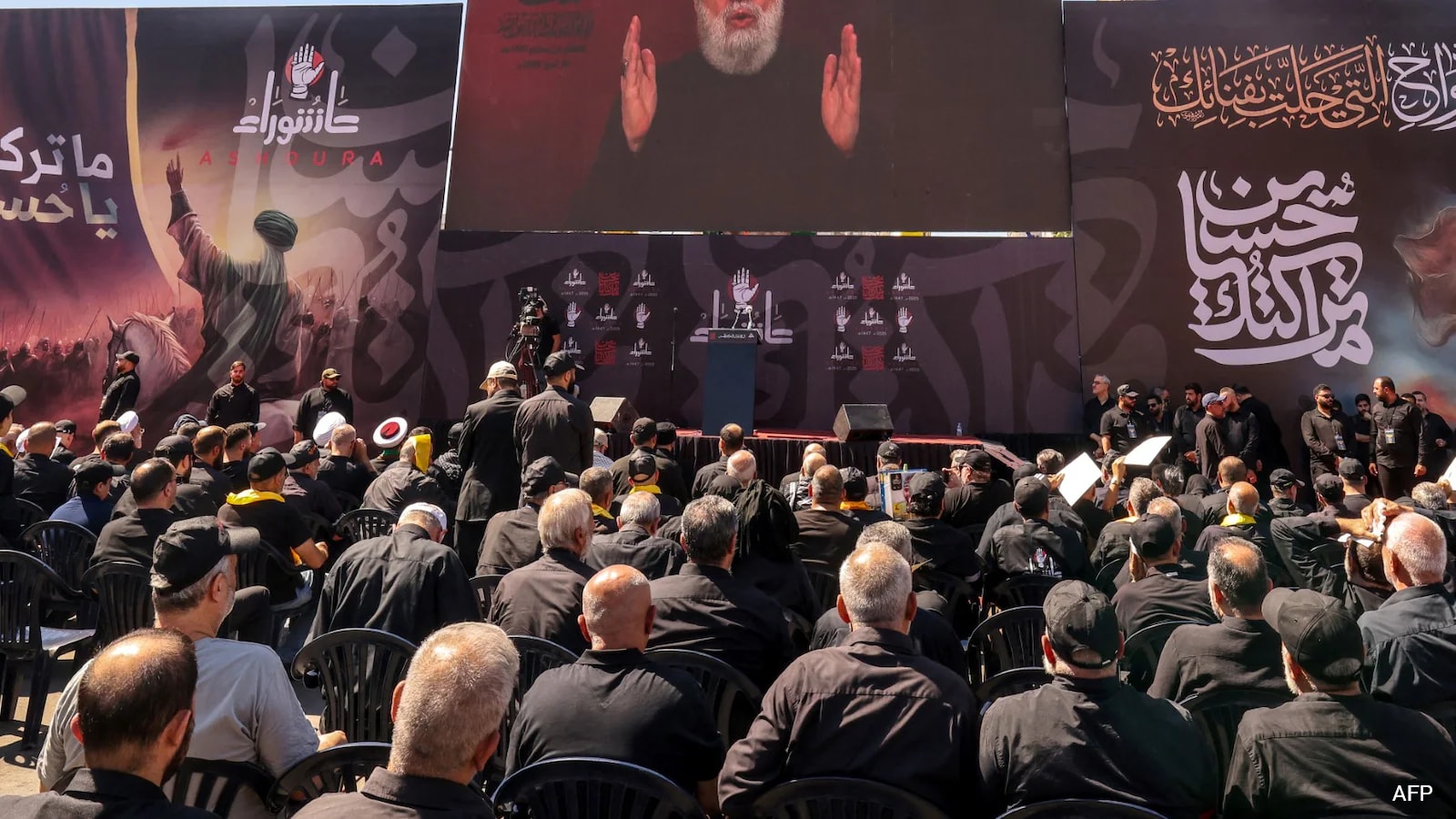
Hezbollah Chief Rejects Israel-Lebanon Framework, Refuses to Surrender
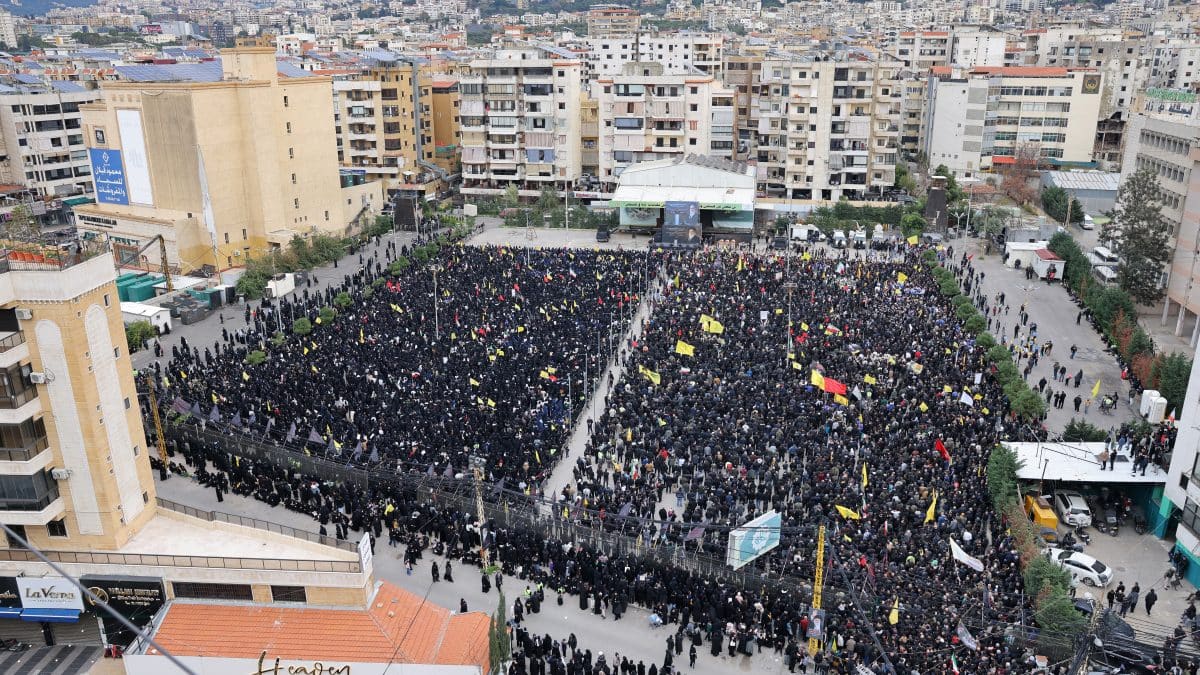
Israel-Lebanon Talks to Resume in September Despite Hezbollah's Opposition
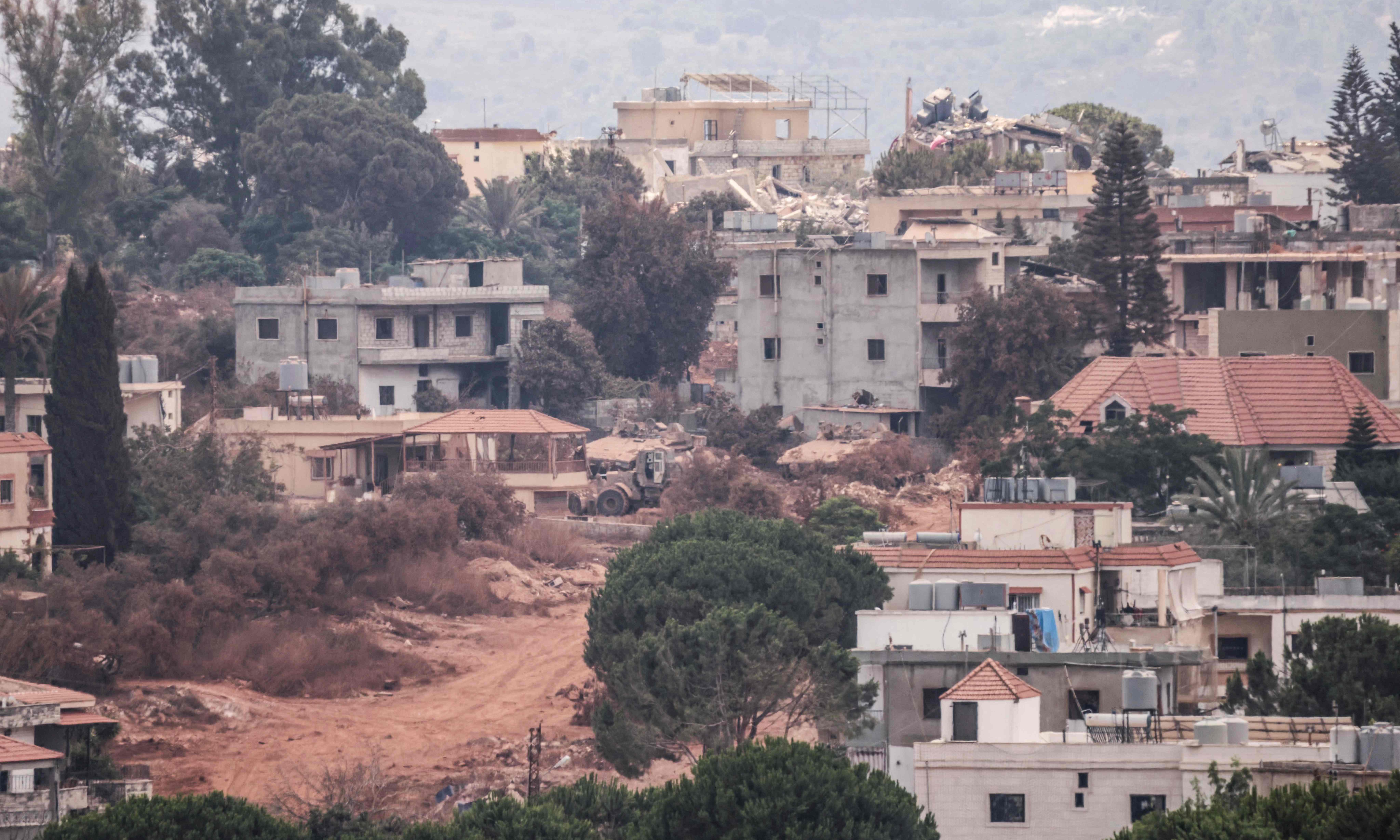
Lebanon Says Israeli Troops Breached Army-Held Village in South
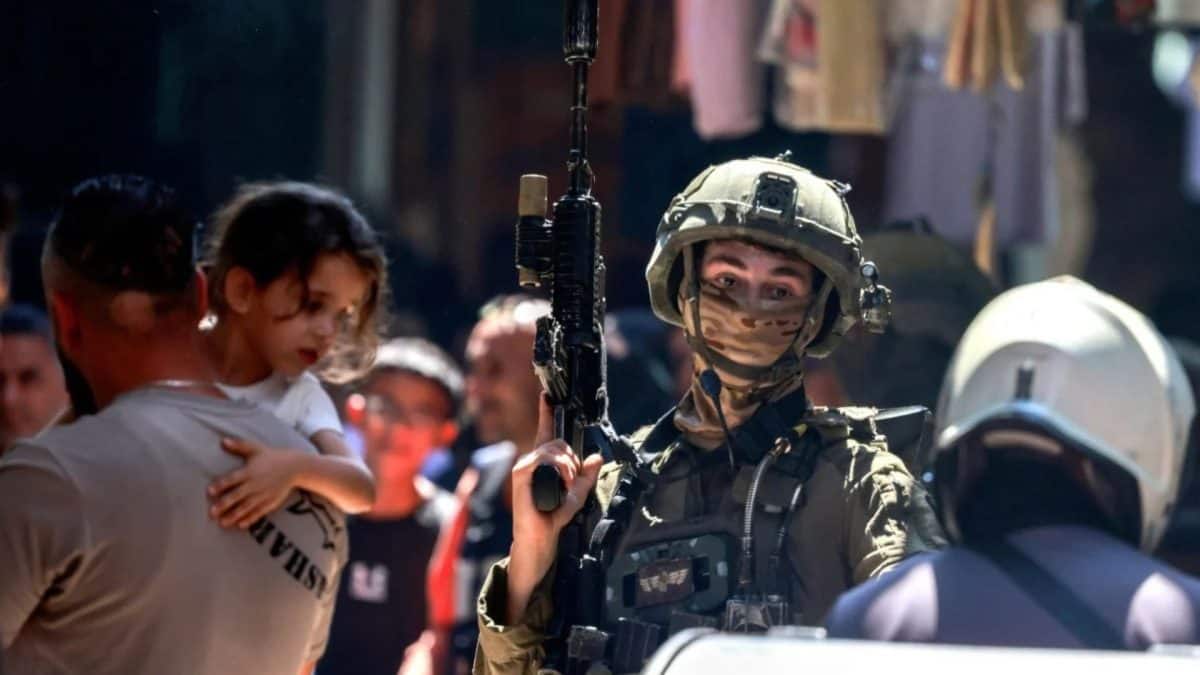
Israel ties Lebanon pullout to Hezbollah disarmament after US rebuke

Lebanon says Israeli strikes kill 11 in southern villages

Eric Trump Showcases New Patriot Passport Bearing Trump’s Image

US Warns Middle East Travelers Amid Escalating Iran-Linked Tensions
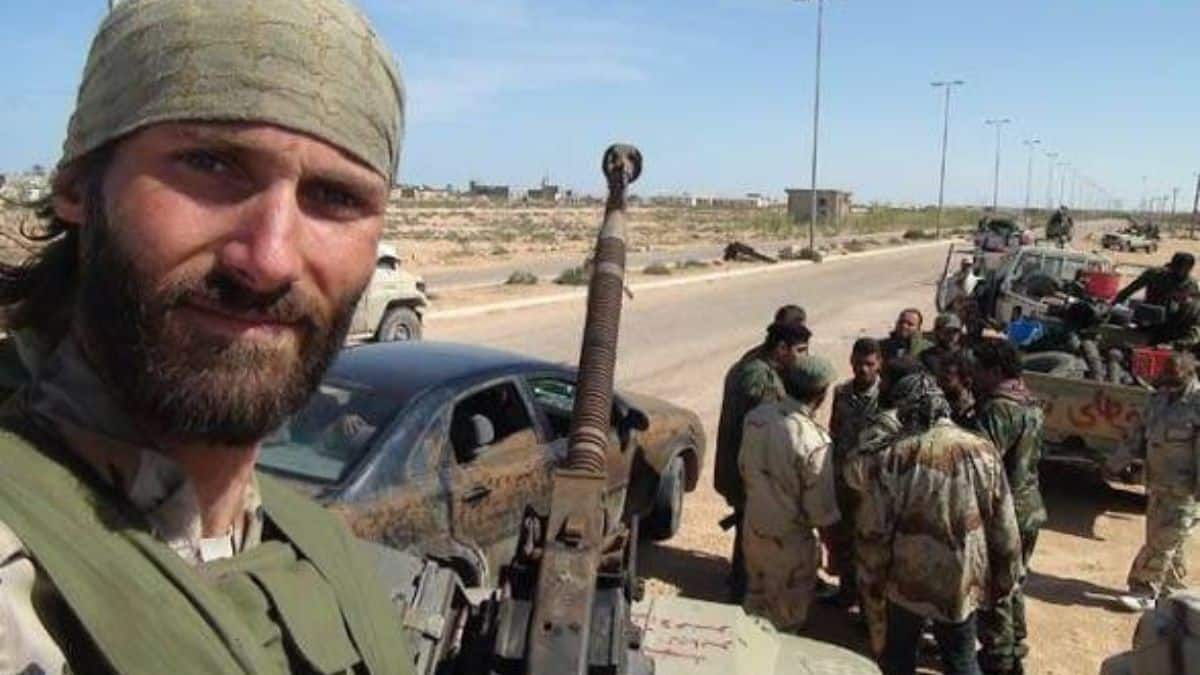
Family Seeks US Intervention Over VanDyke Detention in Delhi

India and World Bank Discuss Deeper Capital Cooperation

Trump Administration Proposes Parental Status Proof for Children’s Passports
