

3 weeks ago
Israel-Lebanon Talks to Resume in September Despite Hezbollah's Opposition
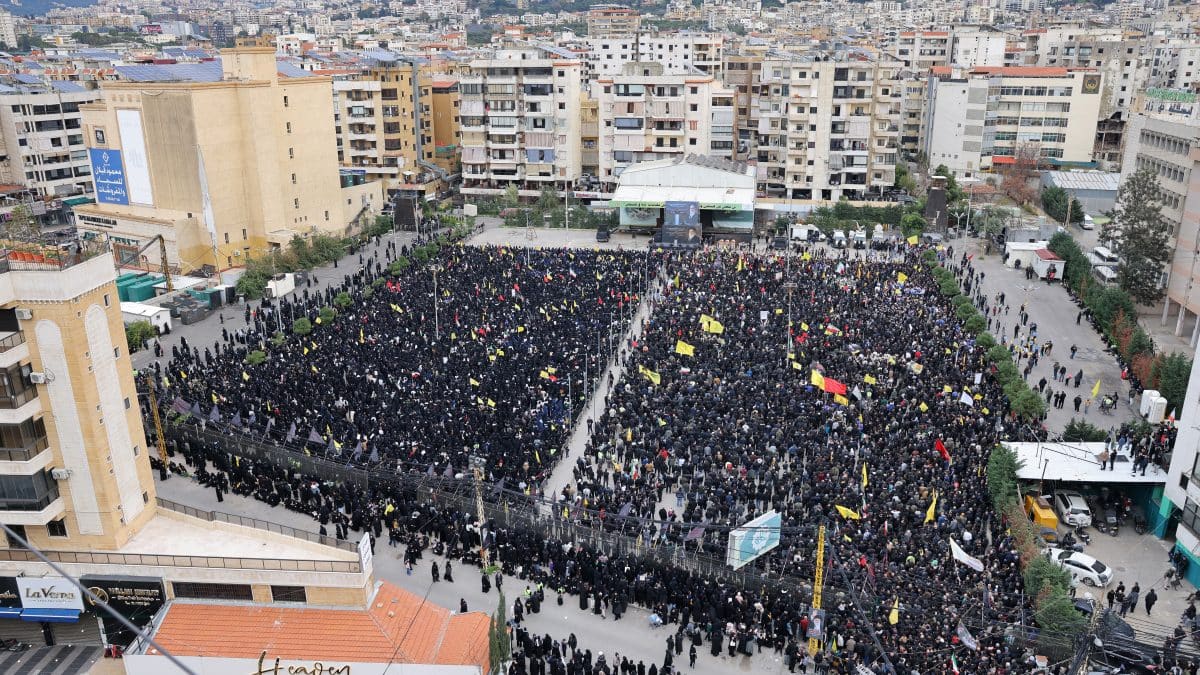
Israel and Lebanon are two countries that have been in conflict for a very long time.
Now they are trying something new: sitting down and talking to each other.
The United States is helping them have these talks, and the next meeting is planned for early September.
Before that, leaders from both countries met in a city called Rome.
At those meetings, they talked about stopping fighting, clearing dangerous mines from the ground, and helping Israeli soldiers withdraw.
But not everyone in Lebanon likes these talks.
A group called Hezbollah, and its leader Naim Qassem, say the talks will bring shame and sadness to Lebanon.
They are also planning to exchange the remains of Jewish people buried in Lebanon for Lebanese prisoners held in Israel.
Everyone hopes the talks will bring peace, but it is still not clear if the two sides can agree.

The United States confirmed that Israel and Lebanon will hold their next round of direct talks in early September.
The United States remains optimistic about the negotiations despite Hezbollah's efforts to disrupt the peace process.
The discussions include a proposal for a third country to carry out demining operations in certain areas.
At the Rome round, which concluded on August 6, officials discussed Hezbollah's disarmament, a pilot Israeli withdrawal, and a comprehensive peace and security agreement.
Hezbollah Secretary-General Naim Qassem rejected the talks, saying they would bring "nothing but shame, humiliation, and successive compromises" for Lebanon, and criticised President Joseph Aoun as divisive.
- Who
- Israel and Lebanon, with a United States official confirming the talks; Hezbollah Secretary-General Naim Qassem opposes them, and Lebanese President Joseph Aoun was criticised by Qassem.
- What
- The next round of direct talks between Israel and Lebanon, covering a third country carrying out demining, Hezbollah's disarmament, a pilot Israeli withdrawal, and a potential exchange of Jewish remains for Lebanese prisoners.
- Where
- The talks involve Israel and Lebanon; the previous round of discussions was held in Rome.
- When
- The next round is expected in early September; the previous round in Rome concluded on August 6, and talks have been ongoing since April.
- Why
- The two countries seek an end to their long-standing conflict, with the United States working to keep the diplomatic process on track despite Hezbollah's opposition.
Supporters of the talks (United States, Israel, Lebanese government)
Hezbollah's opposition
Direct negotiations
Supporters of the talks (United States, Israel, Lebanese government)
Dialogue is needed to end the long-standing conflict, and the United States remains optimistic about the diplomatic process.
Hezbollah's opposition
The negotiations will bring "nothing but shame, humiliation, and successive compromises" for Lebanon, and Hezbollah has opposed direct talks since they began in April.
Hezbollah's disarmament
Supporters of the talks (United States, Israel, Lebanese government)
Disarming Hezbollah is part of the agenda for a comprehensive peace and security agreement discussed at the Rome talks.
Hezbollah's opposition
Hezbollah rejects the peace process entirely and is still seeking to disrupt the negotiations between Israel and Lebanon.
Key facts
- Next round
- Early September
- Previous round
- Rome, concluded August 6
- Mediating country
- United States
- Agenda
- Hezbollah disarmament, pilot Israeli withdrawal, comprehensive peace and security agreement
- Demining proposal
- A third country to carry out demining in certain areas
- Hezbollah stance
- Opposes direct negotiations since they began in April
- Qassem's criticism
- Talks bring "shame, humiliation, and successive compromises" for Lebanon
- Exchange proposal
- Jewish remains buried in Beirut and Sidon for Lebanese prisoners held in Israel
Quotes

Naim Qassem
Hezbollah Secretary‑General
“"Nothing but shame, humiliation, and successive compromises"”
 firstpost.com
Sources
Related news
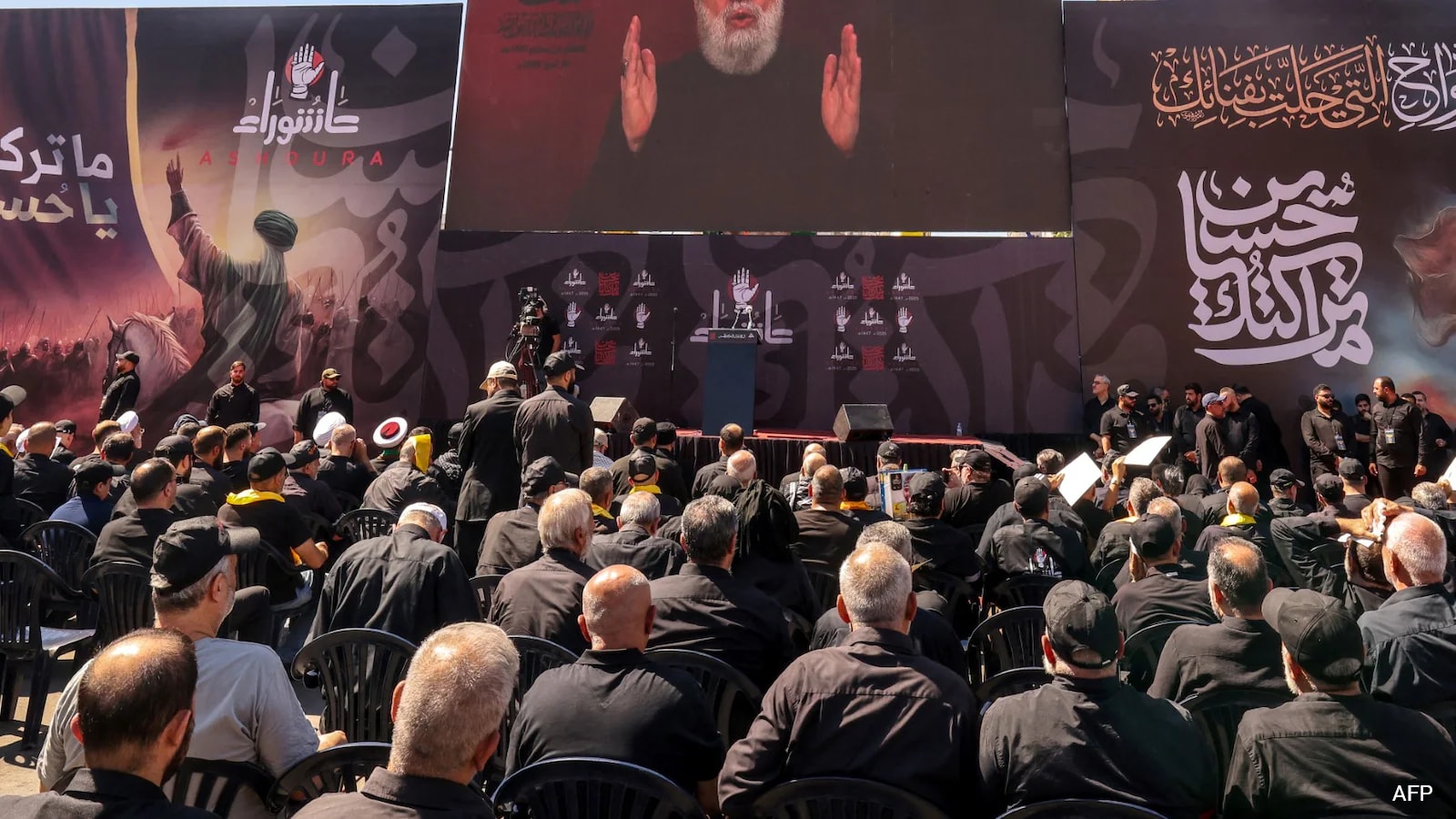
Hezbollah Chief Rejects Israel-Lebanon Framework, Refuses to Surrender

Israel Refuses Wider Withdrawal from Southern Lebanon at Rome Talks
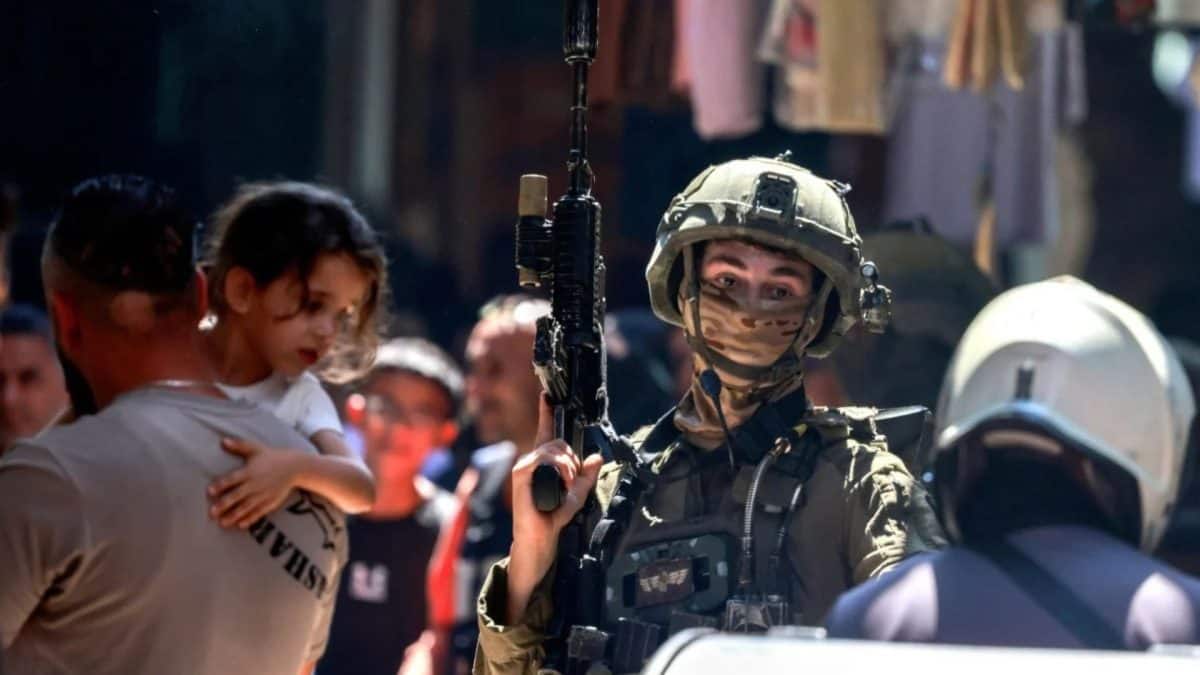
Israel ties Lebanon pullout to Hezbollah disarmament after US rebuke

Syria, Israel Hold US-Mediated Talks in Jordan to Ease Tensions

Lebanon says Israeli strikes kill 11 in southern villages

Eric Trump Showcases New Patriot Passport Bearing Trump’s Image
US Warns Middle East Travelers Amid Escalating Iran-Linked Tensions
Family Seeks US Intervention Over VanDyke Detention in Delhi

India and World Bank Discuss Deeper Capital Cooperation

Trump Administration Proposes Parental Status Proof for Children’s Passports
