

1 hr ago
Starship Reaches Orbit, Deploys 26 Next-Generation Starlink Satellites
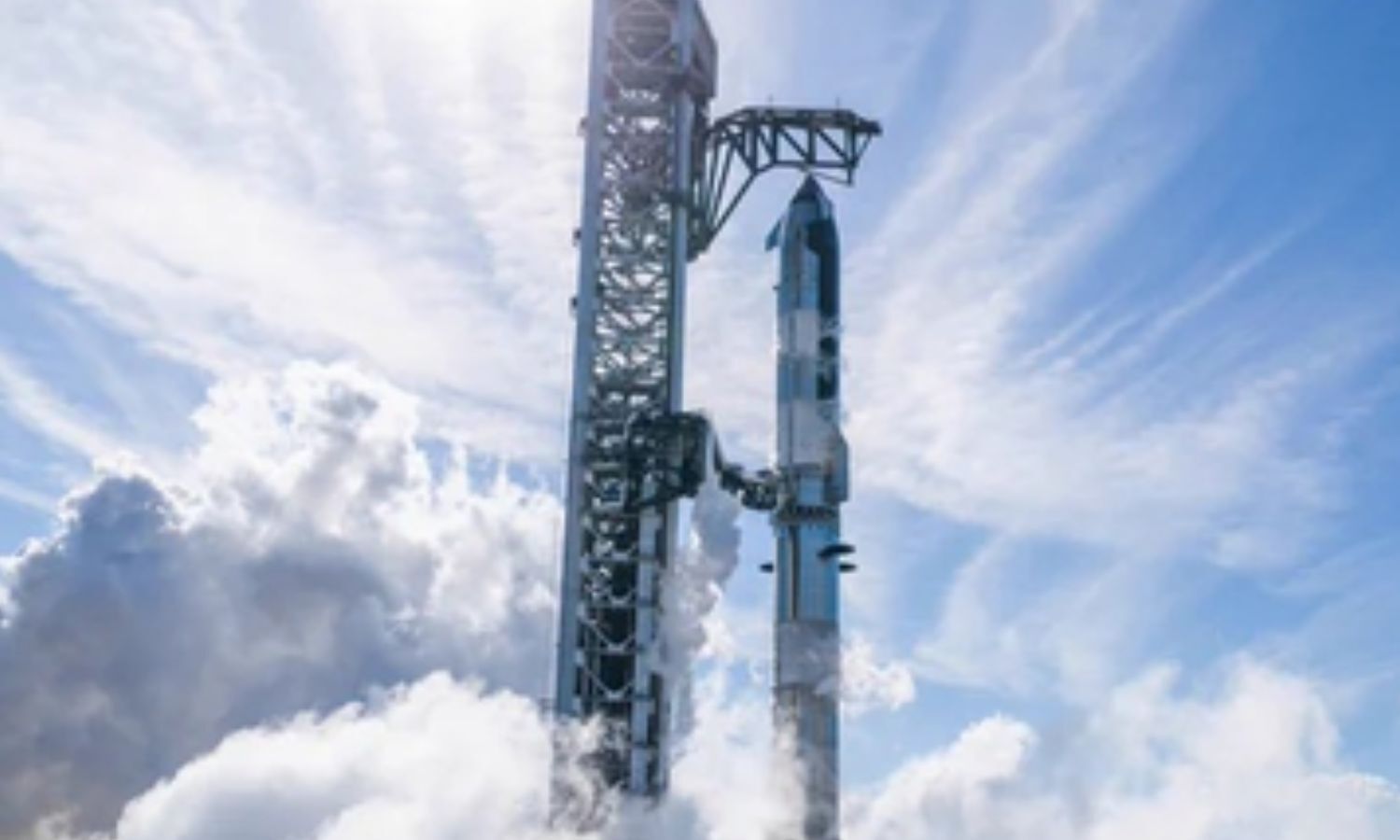
SpaceX flew its large Starship rocket into orbit for the first time.
The vehicle carried no people, but it did carry 26 new Starlink internet satellites.
One engine stopped earlier than planned during the flight.
Engineers checked the spacecraft and decided it could continue safely.
Starship then reached orbit and released the satellites one at a time.
The satellites will unfold their antennas and solar panels before joining the Starlink network.
SpaceX says they can carry much more data than older satellites.
Starship was expected to circle Earth six times and then splash down in the Pacific Ocean.
The mission is an important test for future trips to the Moon and Mars.

SpaceX’s uncrewed Starship reached orbit for the first time on Monday despite an engine shutdown during ascent.
The spacecraft deployed 26 next-generation Starlink V3 satellites at an altitude of roughly 269 kilometers.
Starship was scheduled to complete six Earth orbits during a flight lasting about 10 hours.
The mission launched from SpaceX’s Starbase complex near Brownsville, Texas, with splashdown planned in the Pacific Ocean west of Chile.
SpaceX says the V3 satellites offer substantially greater capacity than earlier Starlink satellites, supporting future network expansion.
- Who
- SpaceX, with its Starship vehicle and Starlink satellite program, conducted the mission.
- What
- Starship reached orbit for the first time and deployed 26 Starlink V3 satellites despite an engine shutdown.
- Where
- The vehicle launched from SpaceX’s Starbase complex near Brownsville, Texas, and was scheduled to splash down in the Pacific Ocean west of Chile.
- When
- Monday; the Reuters report is dated September 28, and the flight was expected to last about 10 hours.
- Why
- The mission tested Starship’s orbital capabilities, advanced SpaceX’s satellite-internet network, and supported the company’s plans for future Moon and Mars missions.
Key facts
- Payload
- 26 next-generation Starlink V3 satellites
- Deployment altitude
- Roughly 269 kilometers (161 miles)
- Planned flight
- Six Earth orbits over approximately 10 hours
- Engine issue
- One engine shut down earlier than planned during ascent; reports differ on whether it was one of six Raptor Vacuum engines or one of three main engines.
- V3 downlink capacity
- Up to 1 terabit per second per satellite, according to SpaceX
- V3 uplink capacity
- Up to 160 gigabits per second per satellite, according to SpaceX
- Planned destination
- Pacific Ocean west of Chile
Quotes
Dan Huot
SpaceX spokesperson who announced the initial decision during the mission livestream
“All 26 Starlink V3 operational satellites deployed and operating nominally”
 thehansindia.com
“The team has made the call not to commit to orbit”
 theprint.in
Sources
Related news
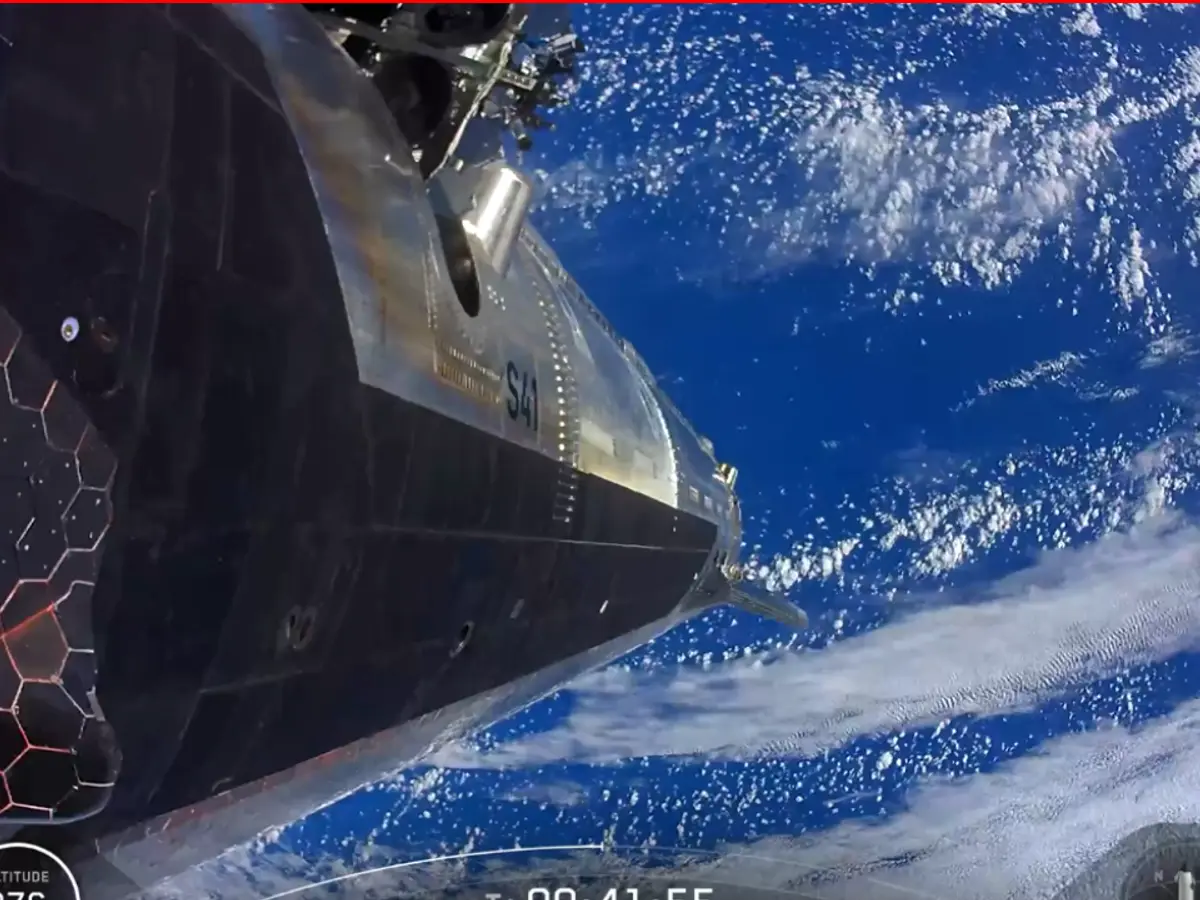
Starship’s 14th Flight Reaches Orbit, Deploys Starlink V3 Satellites
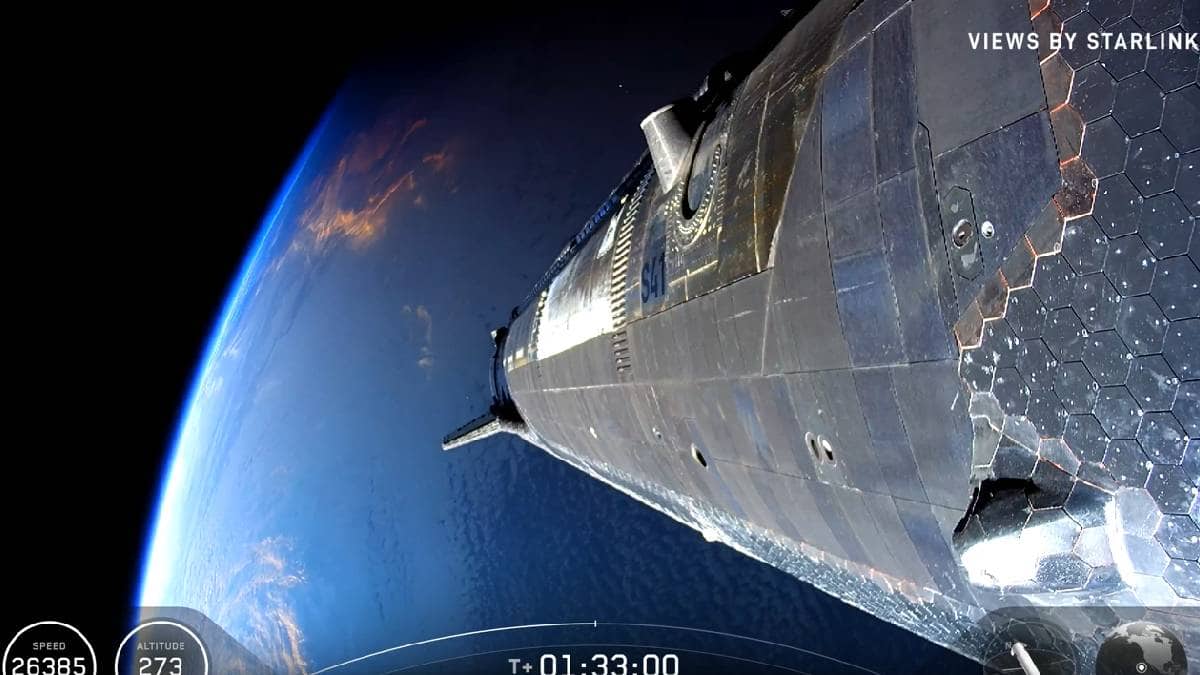
Starship Flight 14 Reaches Orbit, Deploys 26 Starlink Satellites
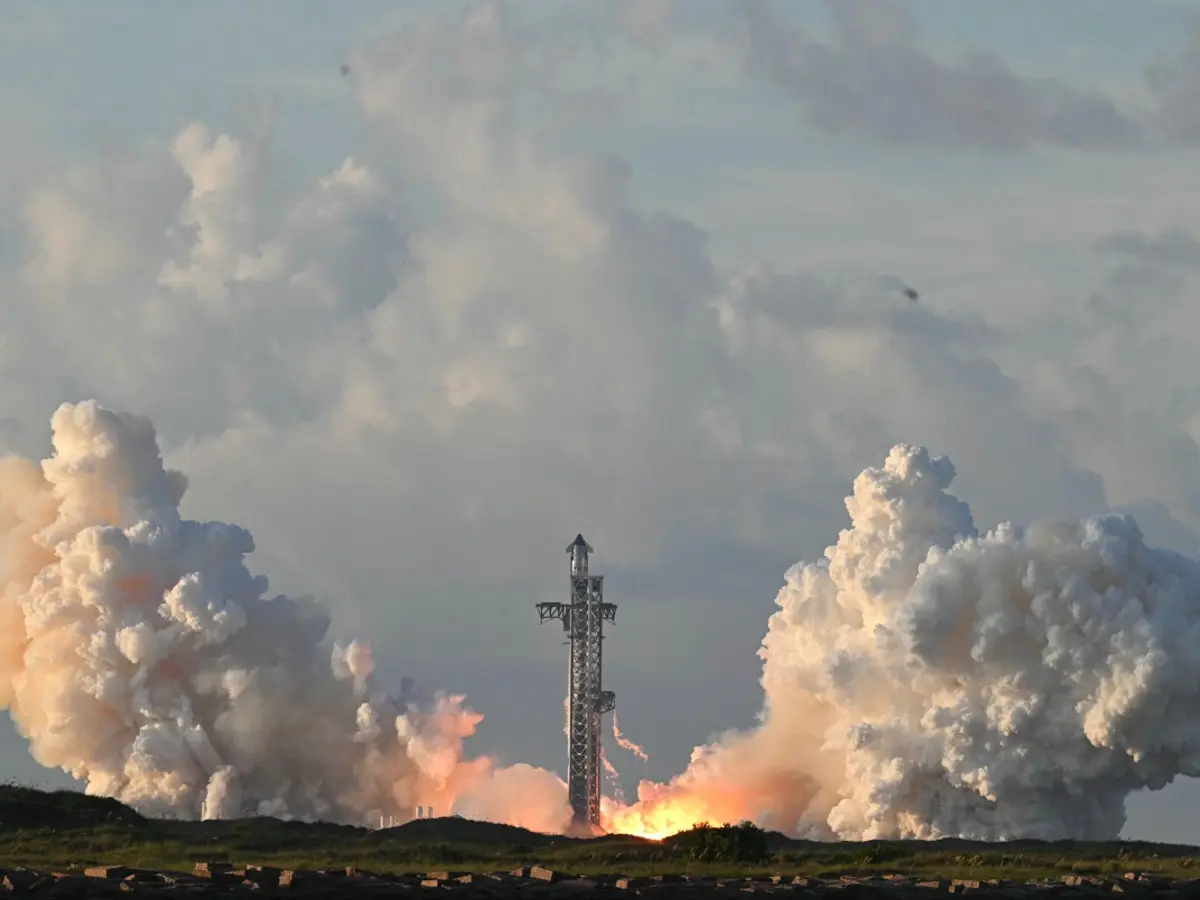
SpaceX launches 14th Starship flight toward first orbit

SpaceX’s Starship Reaches Orbit in Historic First Test Flight

SpaceX Starship Prepares for First Orbital Test Flight

SpaceX Nasdaq 100 Weight Set to Rise After Rebalance

Experts Seek Integrated Climate and Development Strategy for Eastern Himalayas
