

10 hrs ago
Trump Advances Proposed $2.8 Billion Israel Bomb Deal

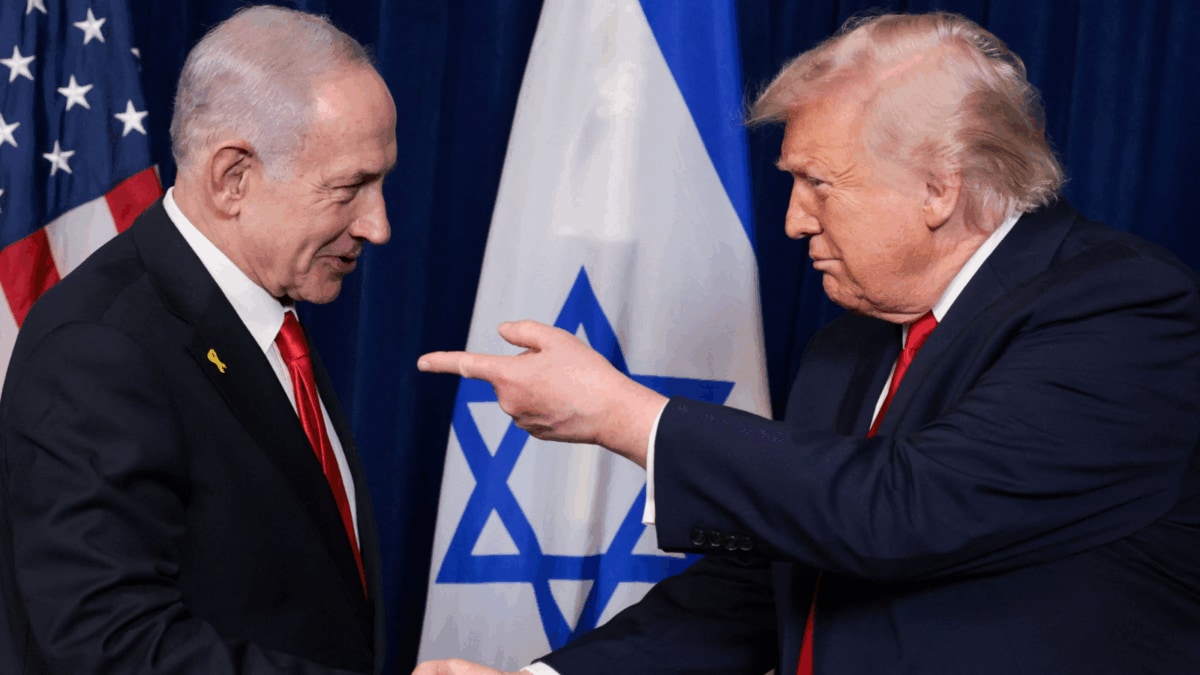
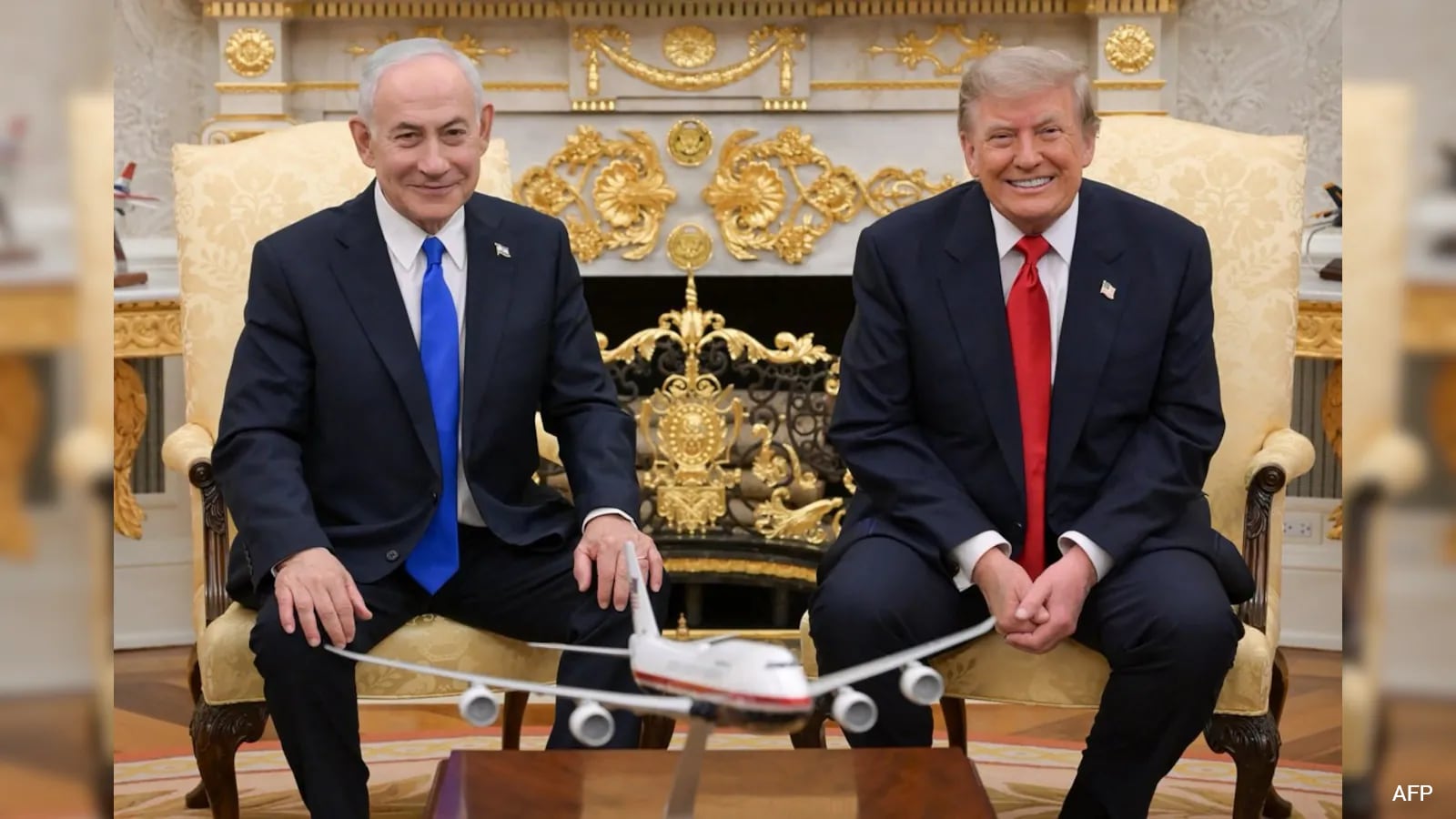
The United States is considering sending Israel a very large number of heavy bombs.
The proposed deal is valued at about $2.8 billion.
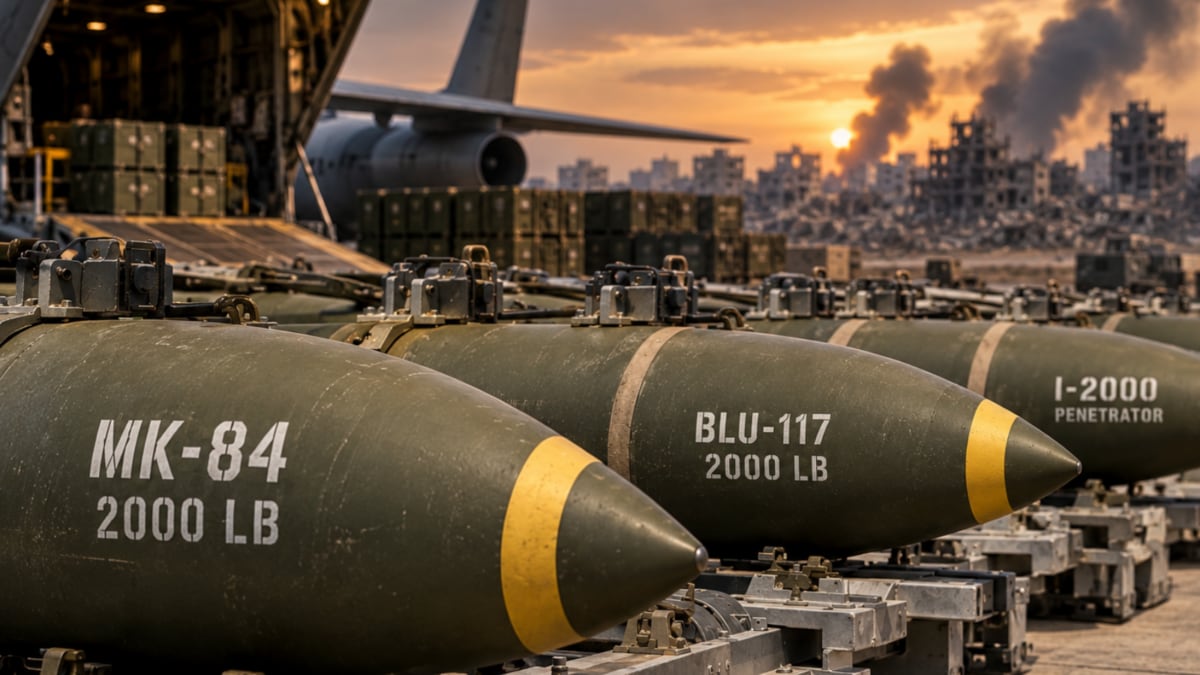
The reports describe three types of weapons: MK-84 bombs, BLU-117 warheads and I-2000 penetrators.
The MK-84 is a large bomb that creates a powerful blast and can receive extra equipment for GPS guidance.
The I-2000 is designed to break through strong structures before exploding.
The reports say the package contains 40,000 munitions, but the listed amounts add up to 60,000, so there is a counting difference.
The weapons would be paid for largely through U.S. military assistance.
The proposal is controversial because heavy bombs can cause extensive damage in crowded places.
Israel says its military campaign targets Hamas and is an act of self-defense after the October 7, 2023 attack.

The Trump administration has proposed a $2.8 billion weapons package for Israel involving 2,000-pound-class munitions.
The articles describe the package as 40,000 munitions, but the listed quantities—20,000 each of MK-84, BLU-117 and I-2000 systems—total 60,000.
MK-84 bombs are general-purpose weapons that can be fitted with JDAM guidance kits, while I-2000 penetrators are designed for hardened or underground targets.
The package would largely be financed through U.S. Foreign Military Financing, although one report describes the funding as entirely from U.S. grant programs.
The proposal follows the Biden administration’s earlier withholding of some 2,000-pound bomb shipments over concerns about civilian harm in densely populated areas of Gaza; final approval had not been publicly announced.
- Who
- The Trump administration and Israel are the main parties involved; U.S. congressional committees are reviewing the proposed sale, while the Biden administration previously withheld some similar munitions.
- What
- A proposed $2.8 billion transfer of heavy 2,000-pound-class bombs, warheads and penetrators to Israel.
- Where
- The weapons would be supplied by the United States to Israel for use amid continuing regional military operations, including the Gaza conflict.
- When
- The proposal was reported on September 16, 2026; final public approval had not been announced at the time of the reports.
- Why
- The package is intended to replenish or expand Israel’s heavy-munitions inventory, including capabilities for above-ground and hardened targets.
Humanitarian and congressional critics
U.S. and Israeli supporters
Use in populated areas
Humanitarian and congressional critics
Critics and humanitarian organizations argue that heavy 2,000-pound munitions can cause extensive civilian casualties and urban destruction when used in crowded areas such as Gaza.
U.S. and Israeli supporters
Israel says its campaign targets Hamas and other armed groups and that it is acting in self-defense after the October 7, 2023 Hamas-led attack.
U.S. arms responsibility
Humanitarian and congressional critics
Opponents argue that supplying 40,000 heavy bombs raises Washington’s responsibility for civilian harm and conflicts with efforts to reduce regional hostilities.
U.S. and Israeli supporters
Supporters argue that withholding heavy munitions could weaken Israel’s military position, encourage regional adversaries and undermine its ability to attack fortified or underground targets.
Congressional oversight
Humanitarian and congressional critics
Opposing lawmakers have indicated that they may seek resolutions of disapproval or attach conditions to the sale after formal notification.
U.S. and Israeli supporters
The administration is using the proposed transfer to expand military support for Israel, while congressional leaders from both parties have historically supported major military aid to the country.
Key facts
- Proposed value
- $2.8 billion
- Reported package size
- The articles describe 40,000 munitions, but the itemized quantities total 60,000
- Itemized quantities
- 20,000 MK-84 bombs, 20,000 BLU-117 warheads and 20,000 I-2000 penetrator warheads
- Weapon class
- The weapons are described as 2,000-pound-class munitions, weighing roughly 907 kilograms each
- Funding
- The purchase would be largely financed through U.S. Foreign Military Financing; one report says it would be financed entirely through U.S. grant programs
- Approval status
- The proposal had been informally shared with relevant congressional committees, but final approval had not been publicly announced
- Earlier withholding
- The Biden administration previously withheld some 2,000-pound bomb shipments over concerns about their use in densely populated areas of Gaza
Sources
Related news
Trump Administration Reportedly Approves $2.8 Billion Israel Arms Package
Trump Administration Plans $2.8 Billion Bomb Sale to Israel

Trump Administration Prepares $2.8 Billion Israel Bomb Deal
US Clears $5 Billion Saudi Arms Deal Amid Stockpile Concerns

US Approves Potential $5 Billion Arms Sale to Saudi Arabia
US Approves Proposed $5 Billion Bomb Sale to Saudi Arabia

Houthi Red Sea Offensive Elevates Abdul Malik al-Houthi’s Standing

Pakistan's Masood Azhar Bounty Raises Questions Before FATF Meeting
War-Damaged Gaza Building Collapse Kills At Least 12–20 People