2 hrs ago
Trump Administration Plans $2.8 Billion Arms Sale to Israel

The United States is planning a possible deal to send Israel 40,000 very large bombs.
The deal could cost about $2.8 billion.
Most of the money would come from U.S. military assistance that Israel uses to buy American weapons.
Congress has been told about the plan, but it has not been completed.
The Biden administration had stopped an earlier shipment because it worried the bombs could kill many civilians in Gaza.
Donald Trump later removed that pause.
Some bombs can hit targets underground, while others can cause very large explosions above ground.
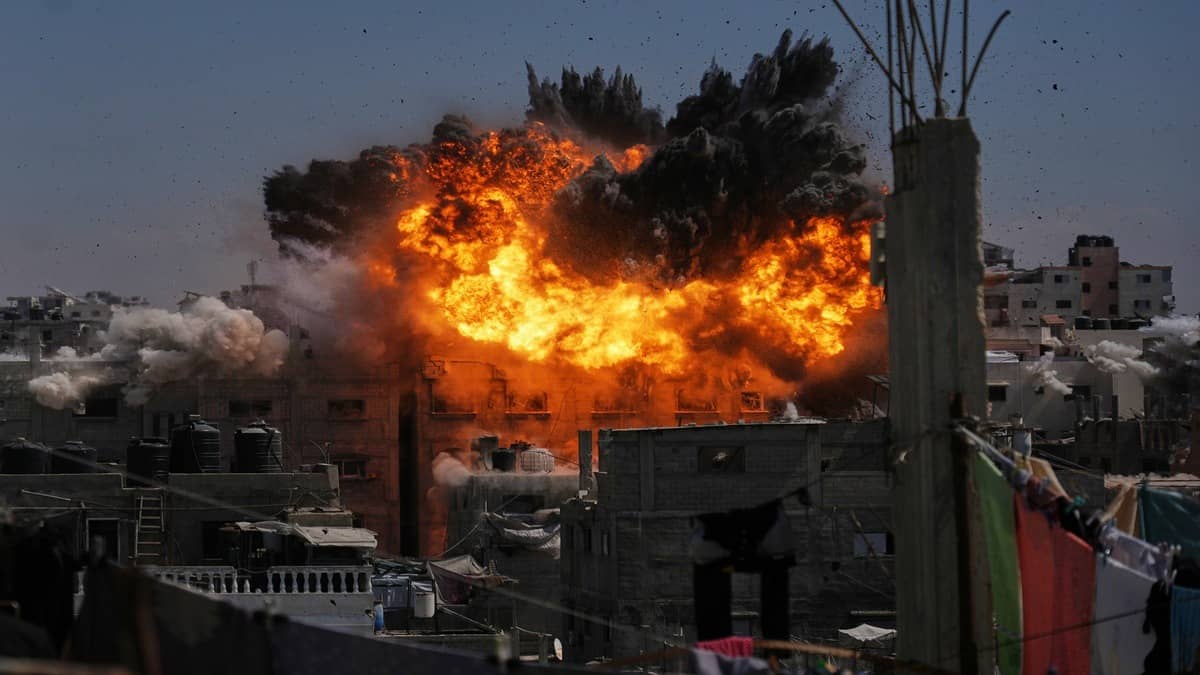
Experts believe similar U.S.-made bombs have been used in crowded parts of Gaza.
Israel says its attacks answer militant shootings and other violations of the ceasefire.

The proposed $2.8 billion package would send Israel 40,000 2,000-pound bombs.
The weapons would include 20,000 Mk84 bombs and 20,000 BLU-117 bombs.
Congress has been informally notified, but the package is not yet final and would rely mostly on U.S. foreign military financing.
The Biden administration paused a previous shipment in 2024 over concerns about mass casualties, while Donald Trump later lifted the hold.
Critics warn the bombs could cause widespread civilian deaths in Gaza, while Israel says its strikes respond to attacks and ceasefire violations.
- Who
- The Trump administration, Israel, Congress, U.S. officials, and Israeli Prime Minister Benjamin Netanyahu are involved; the proposed weapons would be supplied to Israel.
- What
- A proposed $2.8 billion arms package containing 40,000 2,000-pound bombs.
- Where
- The weapons would be transferred from the United States to Israel amid the continuing conflict in Gaza.
- When
- The plan was reported Tuesday; it is not yet final. A previous shipment was paused in 2024 and the hold was later lifted.
- Why
- The administration says the sale would improve Israel’s military capacity, while critics are concerned that the bombs could cause mass casualties in densely populated areas.
Supporters and Israeli Officials
Critics and Humanitarian Concerns
Israel’s military capacity
Supporters and Israeli Officials
The Trump administration presents the proposed sale as part of steps to improve Israel’s military capacity. Israel says its strikes respond to militant attacks on troops and other ceasefire violations.
Critics and Humanitarian Concerns
Critics argue that supplying more heavy bombs could enable further destruction and civilian deaths in Gaza, which has already suffered extensive damage.
Use of heavy bombs
Supporters and Israeli Officials
Some versions of the bombs are designed to penetrate underground targets, including tunnel networks used by Hamas.
Critics and Humanitarian Concerns
Experts who analyzed strike footage and blast fragments believe U.S.-made bombs have also been used in densely populated areas, raising concerns about mass casualties.
U.S.-Israeli relationship
Supporters and Israeli Officials
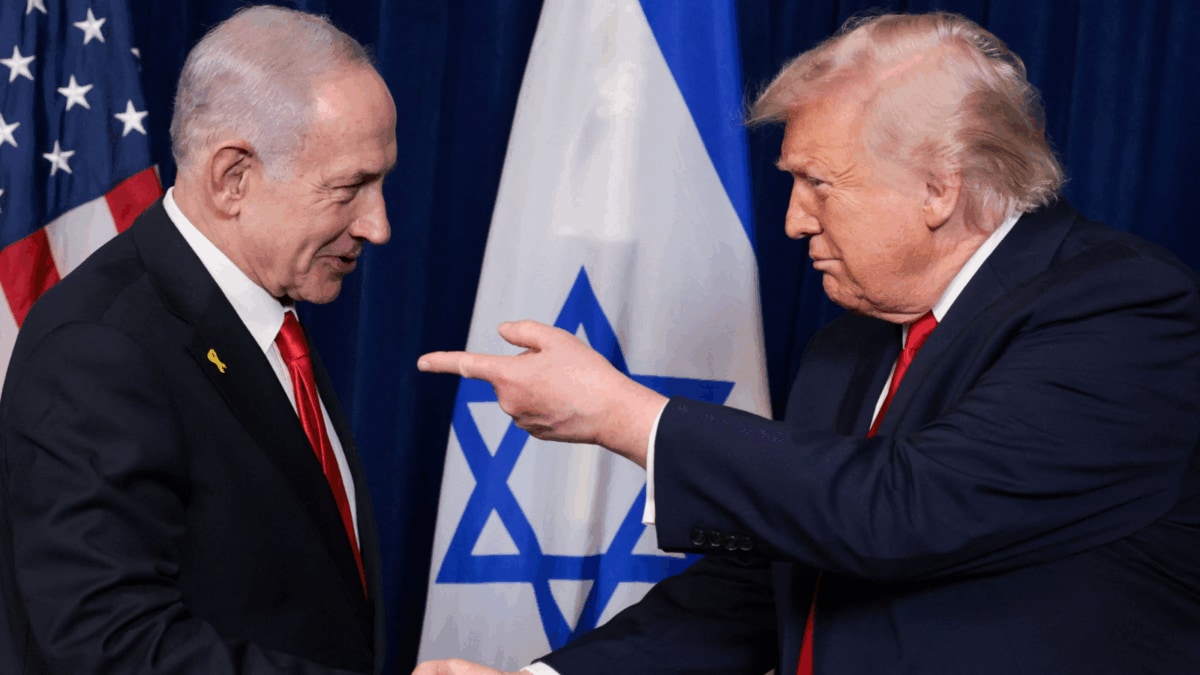
The proposed sale indicates that the U.S.-Israeli alliance remains close despite tensions between Donald Trump and Benjamin Netanyahu.
Critics and Humanitarian Concerns
Critics point to Israel’s increasing international isolation over the Gaza war and continued strikes during a fragile ceasefire.
Key facts
- Proposed package
- $2.8 billion
- Weapons
- 40,000 2,000-pound bombs
- Bomb breakdown
- 20,000 Mk84s and 20,000 BLU-117s
- Funding
- Mostly U.S. foreign military financing
- Congressional status
- Congress was informally notified; the package is not yet final
- Previous hold
- The Biden administration paused one shipment in 2024, and Donald Trump later lifted the hold
- Conflict toll
- Gaza’s Health Ministry reported more than 73,264 Palestinians killed, including deaths since the ceasefire
Sources
Related news
Trump Administration Reportedly Approves $2.8 Billion Israel Arms Package

Trump Administration Prepares $2.8 Billion Israel Bomb Deal

U.S. Funds Proposed Gaza Force as Peace Plan Stalls

Kushner's Gaza talks with Israel, Hamas end without breakthrough
Kushner Says Israeli Election Complicates Gaza Disarmament Efforts
US Clears $5 Billion Saudi Arms Deal Amid Stockpile Concerns
Israeli Strikes in Gaza Kill Five, Medics Say

Fauda Star Idan Amedi Returns After Gaza Injury
Kushner Says Doha Strike Left Israel Globally Isolated

Israel Minister Threatens Citizenship Revocation for NAZA Directors