2 days ago
Creditors Challenge Subhash Chandra Plan as Professor Questions Banks
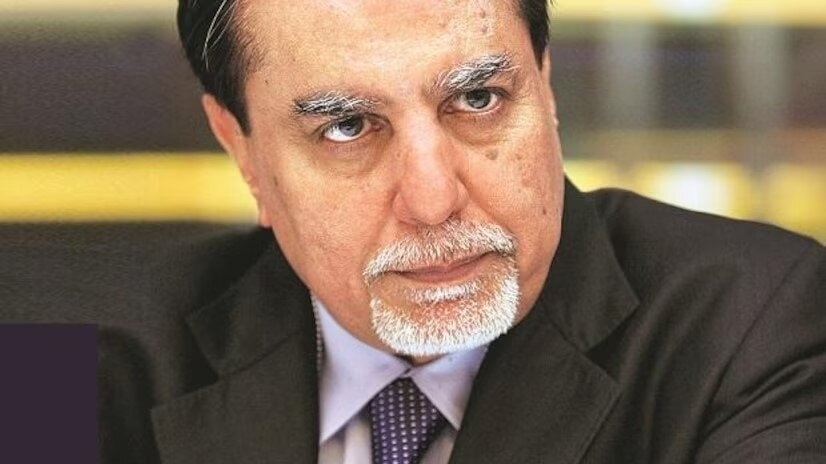
Subhash Chandra gave personal guarantees for loans taken by companies connected to him.
He says he did not personally borrow ₹22,000 crore.
He says the companies originally received about ₹4,808 crore and repaid most of it.
A tribunal approved a plan offering lenders only ₹6.5 crore.
Some banks think the recovery is far too small and have challenged the decision.
Professor Prasanna Tantri also questioned why banks accepted the guarantees and did not watch the value of Chandra’s assets more closely.
He said bankruptcy law can help organize a solution after someone defaults, but it cannot fix poor lending decisions made earlier.
The appeals tribunal will hear the creditors’ challenge.

The NCLT approved Subhash Chandra’s repayment plan under Section 114 of the IBC, offering lenders ₹6.5 crore.
Creditors are challenging the approval before the NCLAT, which agreed to hear the matter urgently.
ISB professor Prasanna Tantri questioned why banks accepted guarantees without sufficient assets or failed to monitor asset values.
Tantri said the recovery would represent a haircut of nearly 99.97% for lenders.
Chandra said he had signed guarantees totaling about ₹22,000 crore, but personally borrowed ₹0 and that only about ₹998 crore remained outstanding.
- Who
- Subhash Chandra, his creditors, ISB professor Prasanna Tantri, and the National Company Law Tribunal and National Company Law Appellate Tribunal.
- What
- Creditors are challenging approval of Chandra’s ₹6.5-crore repayment plan, while Tantri has questioned banks’ lending and monitoring practices.
- Where
- The proceedings are before the National Company Law Tribunal and the National Company Law Appellate Tribunal in India.
- When
- Chandra issued his clarification on August 30, 2026; Tantri commented on August 31, 2026; the NCLAT hearing was scheduled for Tuesday at 10:30 am.
- Why
- Creditors object that the proposed recovery is extremely low, while Chandra disputes the description of his personal liabilities.
Creditors and lender critics
Subhash Chandra and repayment-plan position
Whether the recovery is acceptable
Creditors and lender critics
Creditors argue that the recovery is too low and have challenged the NCLT’s approval before the NCLAT.
Subhash Chandra and repayment-plan position
The NCLT rejected objections that the low recovery was insufficient to approve the repayment plan.
Responsibility for the low recovery
Creditors and lender critics
Tantri said lenders should have assessed whether Chandra had sufficient assets, monitored those assets, and demanded additional collateral if their value fell.
Subhash Chandra and repayment-plan position
Chandra’s statement emphasizes that he did not personally borrow ₹22,000 crore and that much of the guarantee amount was signed after underlying defaults.
Role of insolvency law
Creditors and lender critics
Tantri cautioned that the IBC cannot make up for poor screening, weak guarantees, or inadequate monitoring before default.
Subhash Chandra and repayment-plan position
The approved process represents the tribunal’s use of the IBC to resolve the matter after default, though creditors are appealing that decision.
Key facts
- Repayment plan
- The NCLT approved a plan offering lenders ₹6.5 crore.
- Lender haircut
- The recovery translates into a haircut of nearly 99.97% for lenders.
- Personal guarantees
- Chandra said he signed personal guarantees totaling about ₹22,000 crore.
- Original borrowing covered by guarantees
- About ₹4,800 crore of guarantees were signed when the underlying borrowers obtained funds, according to Chandra.
- Repayments and balance
- Borrowing entities had received ₹4,808 crore, repaid ₹3,803 crore, and had about ₹998 crore outstanding, according to Chandra’s statement.
- Tribunal approval
- The NCLT approved the plan under Section 114 of the Insolvency and Bankruptcy Code.
- Banks opposing the plan
- HDFC Bank, Axis Bank, Canara Bank, RBL Bank, and Union Bank of India voted against the proposal.
Quotes
Prasanna Tantri
ISB professor commenting on lender conduct in Subhash Chandra’s insolvency case
“One defence of the low recovery in the Essel Group case is that the exposure arose from a guarantee, not a direct loan. But that does not absolve the lenders. Why rely on the guarantee of a person without sufficient assets?”
 businesstoday.in
“The IBC is not a panacea. It can prevent disorderly resolution and reduce deadweight losses after default. It cannot compensate for poor screening, weak guarantees, or inadequate monitoring before default.”
businesstoday.in
Sources
Related news
Subhash Chandra repayment case: why the massive haircut isn't scandal

Sources Clarify Subhash Chandra’s NCLT Claims, Reject ₹22,000 Crore Write-Off

Reliance Denies Chandra's Media Allegations Amid Insolvency Dispute
Subhash Chandra Settlement Highlights India’s Deep Insolvency Haircuts
How Personal Guarantees Work Under India’s Insolvency Code
India Draws Record $127 Billion Through Special FCNR Window

Major Banks Cut FCNR Deposit Rates After Subsidy Ends

Uber Driver Returns ₹37,000 Sent by Mistake, Refuses Reward
Indian Stocks Extend Three-Day Losing Streak as Oil Rises

ICICI Bank Nears HDFC Bank as Nifty’s Top Influence