

15 hrs ago
Why Private Hostels Could Ease Delhi’s Student Housing Crisis
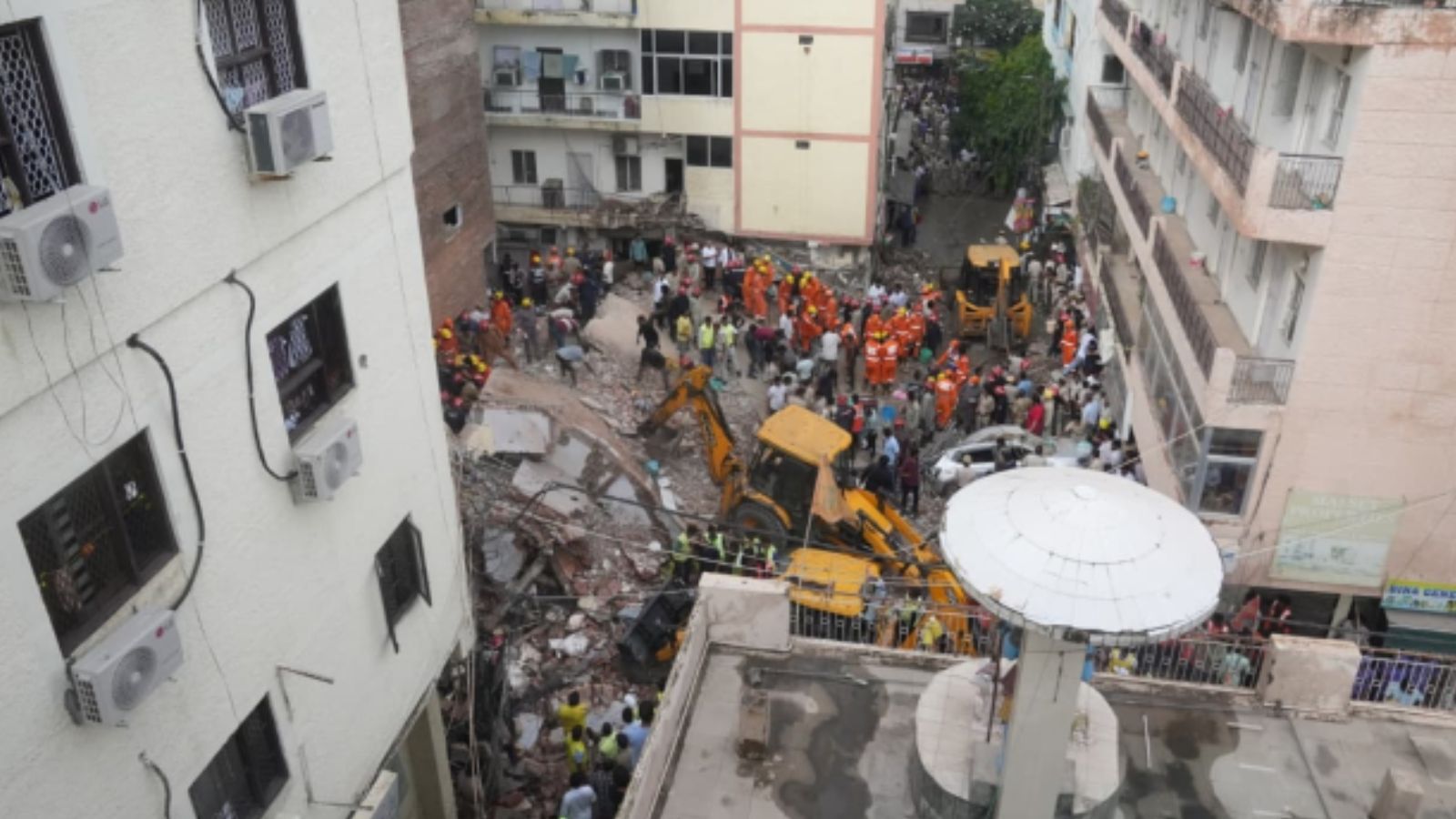
Many students in Delhi cannot get a place in a university hostel.
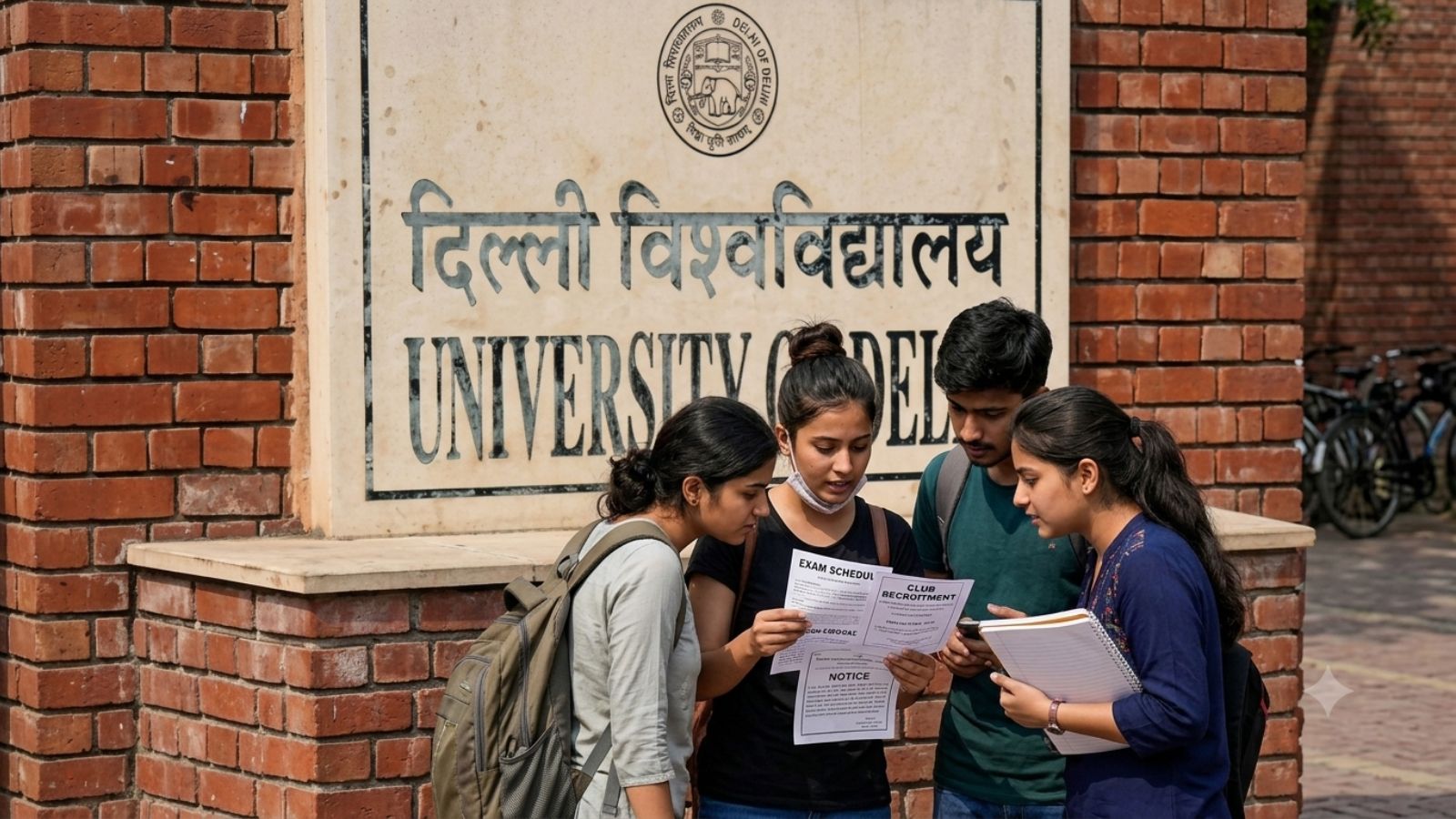
Delhi University has about 2.5 lakh students but only around 9,000 hostel seats.
Private hostels and paying-guest rooms have grown to fill this gap.
The government wants to build more hostels, but it may not have enough money or ability to build enough quickly.
One idea is for universities to work with private companies.
Companies could build and manage safe housing under university and government rules.
These rooms may cost more, so poorer students might need subsidies.
This could give students safer and more organized choices while universities spend more money on teaching and facilities.

Delhi’s public universities offer far fewer hostel beds than the number of students needing accommodation.
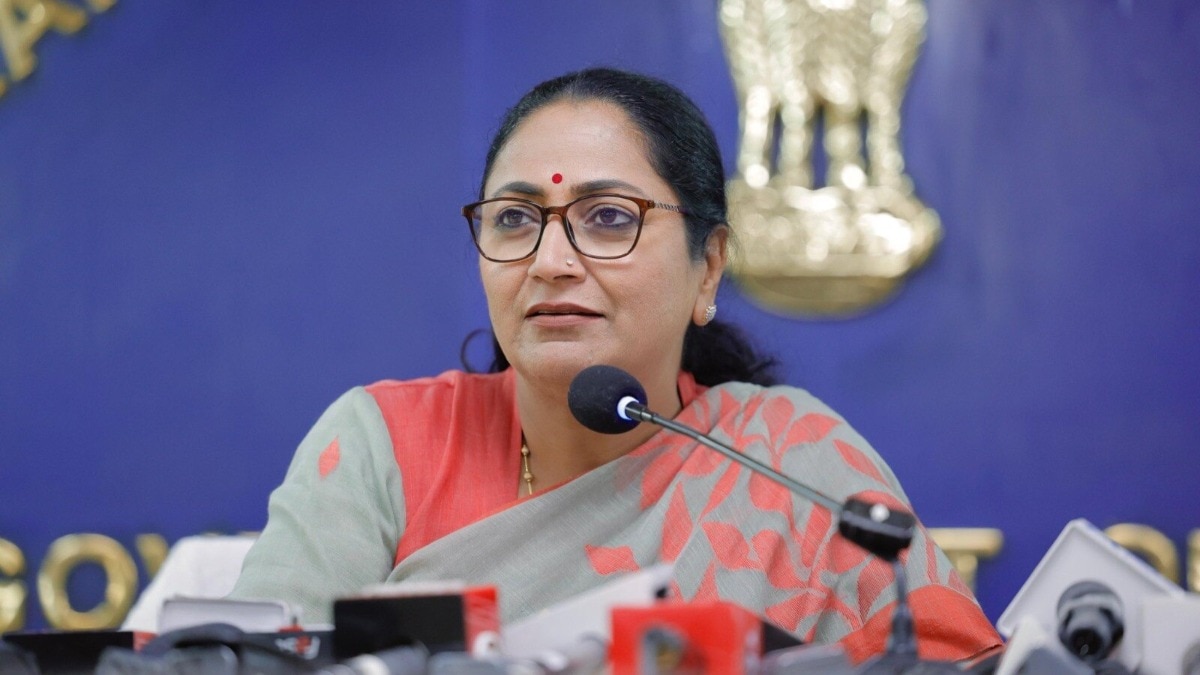
The Delhi government has proposed developing hostels for 10,000 students after the Satya Niketan tragedy.
Private housing has expanded in areas including Mukherjee Nagar, Kamala Nagar, and Ber Sarai.
Universities could contract private developers, lease accommodation, or use surplus land for student housing.
Private facilities would cost more than subsidized hostels, but subsidies could support students with limited means.
- Who
- Students, universities and colleges, the Delhi government, and private real-estate developers are central to the proposal.
- What
- The article argues that private developers and educational institutions should work together to expand student accommodation in Delhi.
- Where
- Delhi, including student areas such as Mukherjee Nagar, Kamala Nagar, and Ber Sarai.
- When
- The debate follows the tragedy at Satya Niketan; no specific date is provided.
- Why
- Public hostel capacity is far below demand, while government budgets and implementation capacity are limited.
Public Construction and Regulation
Private Partnership Models
How to expand capacity
Public Construction and Regulation
The government response emphasizes sealing and demolishing unsafe buildings, stricter enforcement of building laws, and constructing 10,000 hostels.
Private Partnership Models
The article argues that private developers could build and operate facilities through contracts, leases, or partnerships with educational institutions.
Cost and feasibility
Public Construction and Regulation
Publicly funded hostels can offer subsidized accommodation, but the article says government budgets and implementation capacity are insufficient for the scale required.
Private Partnership Models
Private investment could reduce institutions’ capital costs and expand supply, although students would likely pay higher rates.
Student protection
Public Construction and Regulation
Stronger enforcement and public provision are intended to address unsafe or poorly regulated accommodation.
Private Partnership Models
Institution-linked private housing could provide more structured choices, while subsidies could help students who cannot afford market rates.
Key facts
- University of Delhi enrollment
- About 2.5 lakh undergraduate and postgraduate students.
- Existing hostel capacity
- Roughly 9,000 hostel seats are available through the university and affiliated colleges.
- Government proposal
- The Delhi government has proposed developing hostels for 10,000 students.
- Private housing areas
- Mukherjee Nagar, Kamala Nagar, Ber Sarai, and other locations.
- Possible private model
- Universities could contract private developers to build and operate accommodation while following safety and building norms.
- Land-use option
- Institutions could lease surplus land to developers, while land pooling could assist colleges with limited land.
- Affordability concern
- Private facilities would likely cost more than subsidized public-university hostels.
Sources
Related news

Delhi University Faces Pressure to Provide Safe Student Housing

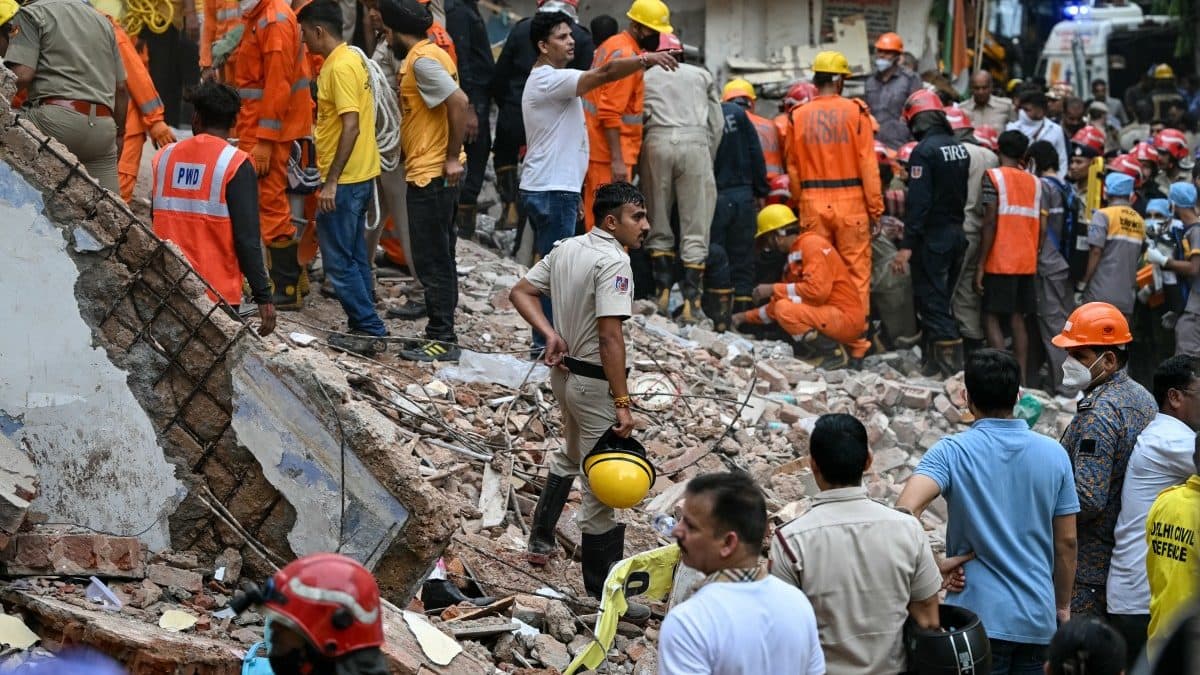
Satya Niketan Collapse Highlights Delhi’s Hostel and Safety Gaps
Delhi Plans Hostels for 10,000 Students After Satya Niketan Collapse
Global Student Housing Models Offer Lessons After Satya Niketan Tragedy
Funding and Space Hinder Delhi University Hostel Expansion
Delhi University Plans Over 5,000 New Hostel Seats Amid Demand

Rinku Singh Requests iPhone 18 Pro From Instamart, Netizens Join

Delhi Launches Heritage Clubs Across 75 Government Schools

Sanju Samson Meets Delhi CM, Joins Team Delhi Initiatives

Abhishek Sharma’s Meditative Celebration Follows Record T20I Century

Delhi Police Arrest Ranchi Man in Alleged Financial Cheating Case
