2 hrs ago
How Traditional Indian Foods Can Support Better Heart Health
Heart-healthy food does not mean avoiding all fat.
Our bodies need some fats, especially the healthier fats found in nuts, seeds and certain oils.
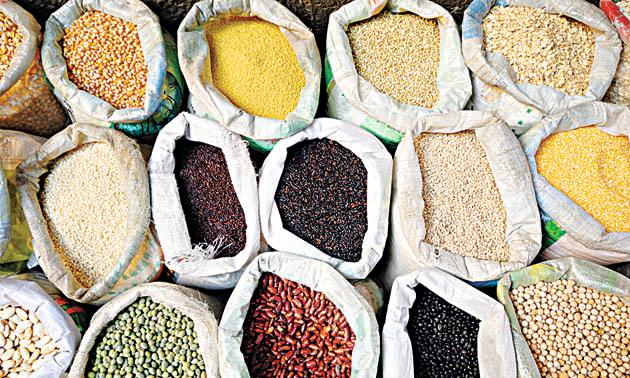
Vegetables, fruits, whole grains, millets, beans and dals can provide helpful fibre and nutrients.
Fibre may help improve cholesterol and support healthy blood vessels.
Too much salt, sugar, fried food and packaged food can raise heart-health risks over time.
A good plate can be half vegetables and fruit, with whole grains and protein making up the rest.
Traditional Indian ingredients such as millets, spices and vegetables can be part of this kind of diet.
Small healthy choices made regularly are more useful than short, restrictive diets.

Heart-friendly eating focuses on choosing unsaturated fats rather than eliminating all fats.
Vegetables, fruits, whole grains, millets, dals, beans, nuts and seeds provide fibre and nutrients that support cardiovascular health.
Saturated fats, trans fats, excess sugar, salt, fried foods and ultra-processed products should be limited.
Experts recommend a plate that is half fruits and vegetables, with the rest including whole grains and protein such as pulses, beans, fish or low-fat meat.
Featured recipes include Bombay curry with coconut rice, millet and corn chaat cups, bajra salad and creamy millet vegetable risotto.
- Who
- Dr. Bipeenchandra Bhamre, Siddharth Parab and the chefs and nutrition contributors featured in the article.
- What
- The article explains how balanced meals using traditional Indian foods may support heart health.
- Where
- The article references Mumbai and food businesses including Haldiram’s USA, Bombay Brasserie, Royal Orchid Resort and Gourmestan.
- When
- Why
- To explain how healthier fats, fibre-rich foods and lower amounts of salt, sugar, fried foods and ultra-processed foods can help reduce cardiovascular risk factors.
Key facts
- Healthy fats
- Unsaturated fats from nuts, seeds and selected oils can be included in moderate quantities.
- Recommended plate
- Half the plate may consist of fruits and vegetables, with whole grains and protein filling the remainder.
- Heart-supportive foods
- Millets, whole grains, dals, beans, vegetables, fruits, nuts and seeds are emphasized.
- Foods to limit
- Saturated fats, trans fats, excess sugar, salt, fried foods and ultra-processed foods should be reduced.
- Packaged-food examples
- Packaged cereals, flavoured yoghurts, biscuits, namkeens, sauces, instant foods and some health bars may contain substantial sugar or sodium.
- Cooking guidance
- Using modest amounts of oil and simple methods such as steaming or grilling is recommended.
- Featured grain
- The recipes use millets including foxtail millet and pearl millet, along with vegetables, chickpeas, peanuts and seeds.
Quotes
Dr Bipeenchandra Bhamre
Consultant cardiac surgeon at Sir H. N. Reliance Foundation Hospital and Research Centre, Mumbai
“Traditional Indian foods can form an excellent foundation for cardiovascular health. Millets and other whole grains provide fibre, dals provide plant-based protein, while nuts and seeds offer beneficial unsaturated fats.”
 deccanchronicle.com
“The plate may be half covered by fruits and vegetables, while whole grains and protein choices like pulses, beans, fish and low-fat meat make up for the remaining space.”
deccanchronicle.com
Sources
Related news
PM Modi Highlights Sea Buckthorn, Makhana And Other Superfoods
Foods for Better Brain Health: What to Eat, Limit

Japan's 107,677 Centenarians Highlight Adaptable Lessons for Indian Healthy Ageing
Jackky Bhagnani’s Balanced Diet Needs More Than Protein
IIT Bombay Student’s Father Plans Protest Seeking Justice

Mumbai Police Reject Shivaji Park Protest Over Election Roll Dispute

Ranbir Kapoor Praises Gurudevshri’s Youth Appeal and Spirituality

Nine Injured After ST Bus Crashes Into Six Vehicles

Sahil Wakode’s Parents Continue Azad Maidan Protest, Demand Action