2 hrs ago
Foods for Better Brain Health: What to Eat, Limit
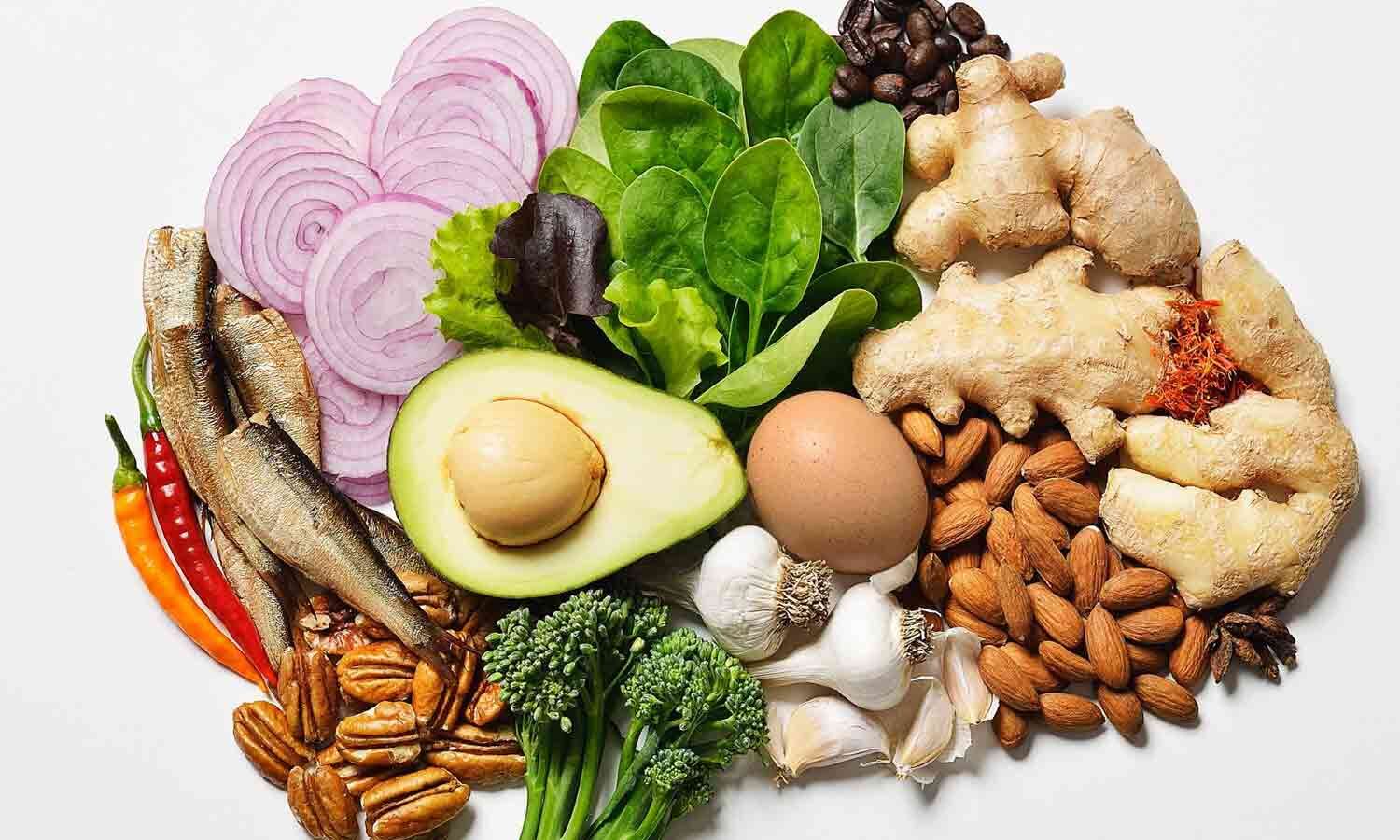
The brain needs energy and nutrients to help us think, learn and move.
No single food can make someone smarter or prevent every brain problem.
Eating many different vegetables and fruits is a helpful habit.
Whole grains, beans, lentils, nuts and seeds can make meals filling and nutritious.
Fish with omega-3 fats, eggs and dairy can also be part of a balanced diet.
Chips, sugary drinks, sweets and foods with unhealthy fats are best eaten less often.
Too much salt can raise blood pressure, which can increase the risk of stroke.
Alcohol should be used cautiously and is not a brain-health treatment.
Brain supplements are not a replacement for healthy food, sleep or exercise.

Brain health depends on a balanced overall eating pattern rather than any single so-called superfood.
Vegetables, fruits, whole grains, lentils, beans, nuts, seeds and protein sources can support balanced meals.
Fish containing omega-3 fatty acids, along with healthy fats, can be included in moderation.
Highly processed foods, sugary drinks, sweets, unhealthy fats and excess salt should not become regular staples.
Supplements should not replace a balanced diet, adequate sleep or physical activity and should be discussed with a healthcare professional when needed.
- Who
- Dr Kunal Bahrani, Chairman and Group Director – Neurology at Yatharth Hospitals, provides guidance for people interested in brain health.
- What
- The article explains which foods may support brain health and which foods, drinks and supplements should be limited or used cautiously.
- Where
- The guidance is presented through Yatharth Hospitals; no specific location is stated.
- When
- No specific date or time period is provided.
- Why
- A balanced dietary pattern can support cardiovascular and metabolic health, along with factors important to brain health.
Key facts
- Recommended foods
- Vegetables, fruits, whole grains, lentils, beans, nuts and seeds.
- Protein sources
- Fish, eggs, dairy products and other protein sources can contribute to nutritional needs.
- Healthy fats
- Nuts, seeds, fish and some plant oils can be included in moderation.
- Foods to limit
- Highly processed foods, sugary drinks, sweets and foods high in unhealthy fats.
- Salt concern
- Excessive sodium can contribute to high blood pressure, an important risk factor for stroke.
- Supplements
- Brain supplements should not replace balanced food, adequate sleep or regular physical activity.
- Main principle
- Consistent, balanced eating is more important than relying on a single miracle ingredient.
Sources
Related news

Rahul Roy’s Post-Stroke Diet Draws Medical Guidance on Recovery

Jackky Bhagnani’s Balanced Diet Needs More Than Protein

National Nutrition Week Promotes A Truly Balanced Plate

Tea Habits That May Reduce Benefits or Cause Discomfort

Yatharth Hospital Shares Jump 10% After Advent Investment

Advent International Invests Rs 3,150 Crore in Yatharth Hospitals

Supreme Court Slams Hospital Over EWS Emergency Care SOP