2 hrs ago
Rare Karvi Bloom Returns Across Maharashtra After Eight Years
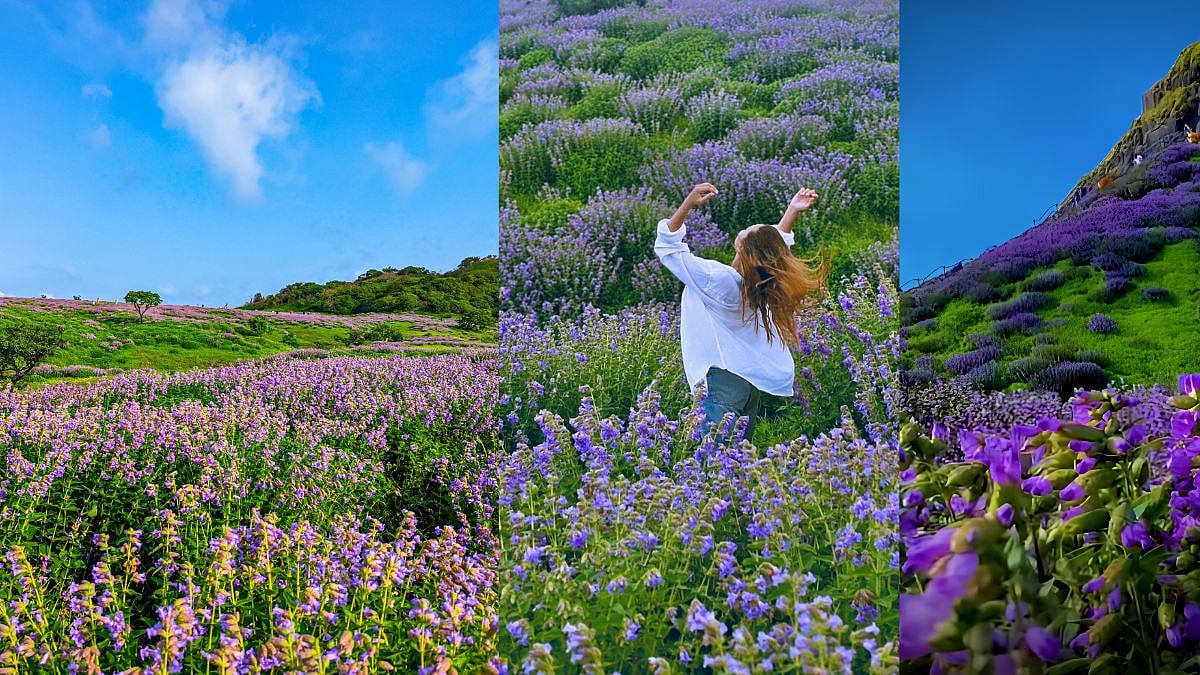
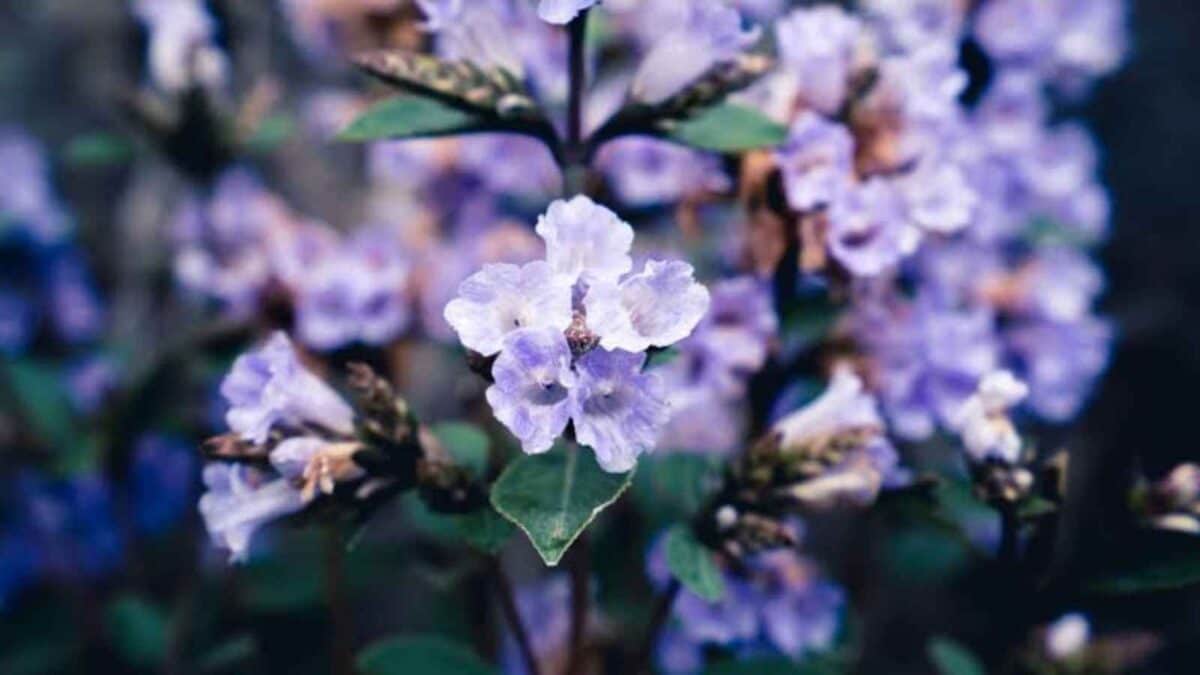
Karvi is a shrub that produces beautiful purple-blue flowers.
Unlike many plants, it does not bloom every year.
It usually flowers once every seven or eight years.
In 2026, the flowers are returning in parts of Maharashtra.
The blooming is expected to be strongest around September and early October.
People may see the flowers in the Western Ghats and Sahyadri hills.
Kaas Plateau, Mahabaleshwar and several other hill areas are suggested viewing spots.
The flowers also provide food for bees, butterflies and other pollinators.
After flowering, the plant produces seeds that help new Karvi plants grow.

Karvi flowers are blooming across parts of Maharashtra’s Western Ghats after a gap of eight years.
The purple-blue shrub typically flowers once every seven to eight years, with peak blooming expected in September and early October 2026.
Suggested viewing locations include Kaas Plateau, Sanjay Gandhi National Park, Mahabaleshwar, Lonavala, Matheran and Bhimashankar.
Kaas Plateau near Satara, also known as Maharashtra’s “Valley of Flowers,” stands about 1,200 metres above sea level.
Karvi flowers provide nectar for bees, butterflies and other pollinators, while their seeds help regenerate the plant.
- Who
- The Karvi shrub, along with visitors, photographers, bees, butterflies and other pollinators connected to its flowering.
- What
- A rare mass blooming of purple-blue Karvi flowers is taking place after about eight years.
- Where
- Across parts of Maharashtra’s Western Ghats and Sahyadri ranges, including Kaas Plateau, Sanjay Gandhi National Park, Mahabaleshwar, Lonavala, Matheran and Bhimashankar.
- When
- The bloom is occurring in 2026 and is expected to peak around September and early October.
- Why
- Karvi has an unusual seven- to eight-year flowering cycle, and its flowers provide nectar while its seeds support plant regeneration.
Key facts
- Flower
- Karvi, also called Karvi phool or Strobilanthes callosa
- Bloom cycle
- Typically once every seven to eight years
- Expected peak
- September and early October 2026
- Main region
- Maharashtra’s Western Ghats and Sahyadri ranges
- Notable site
- Kaas Plateau near Satara, known as the Valley of Flowers
- Elevation
- Kaas Plateau is located around 1,200 metres in the Sahyadris
- Ecological role
- Provides nectar for bees, butterflies and other pollinators and produces seeds for regeneration
Sources
Related news
Rare Neelakurinji Bloom Returns Across Kerala’s Munnar Hills
Munnar and India’s Top Neelakurinji Flower Destinations

Kaas Plateau May Reopen September 1 With Visitor Guidelines
Neelakurinji Blooms Return Across Munnar Hills After 12 Years
Rare Neelakurinji Bloom in Nilgiris Brings Rs 25,000 Plucking Fine

Rani Mukerji Receives Raj Kapoor Special Contribution Award in Mumbai
NHAI Invites Bids to Complete Kagal-Satara NH-48 Upgrade

Delhi Collapse Highlights India’s Continuing Building Safety Risks
Bhujbal Proposes State-of-the-Art EV Testing Centre at Nashik CPRI