

1 hr ago
Kagan and Soai Win 2026 Nobel for Asymmetric Chemistry
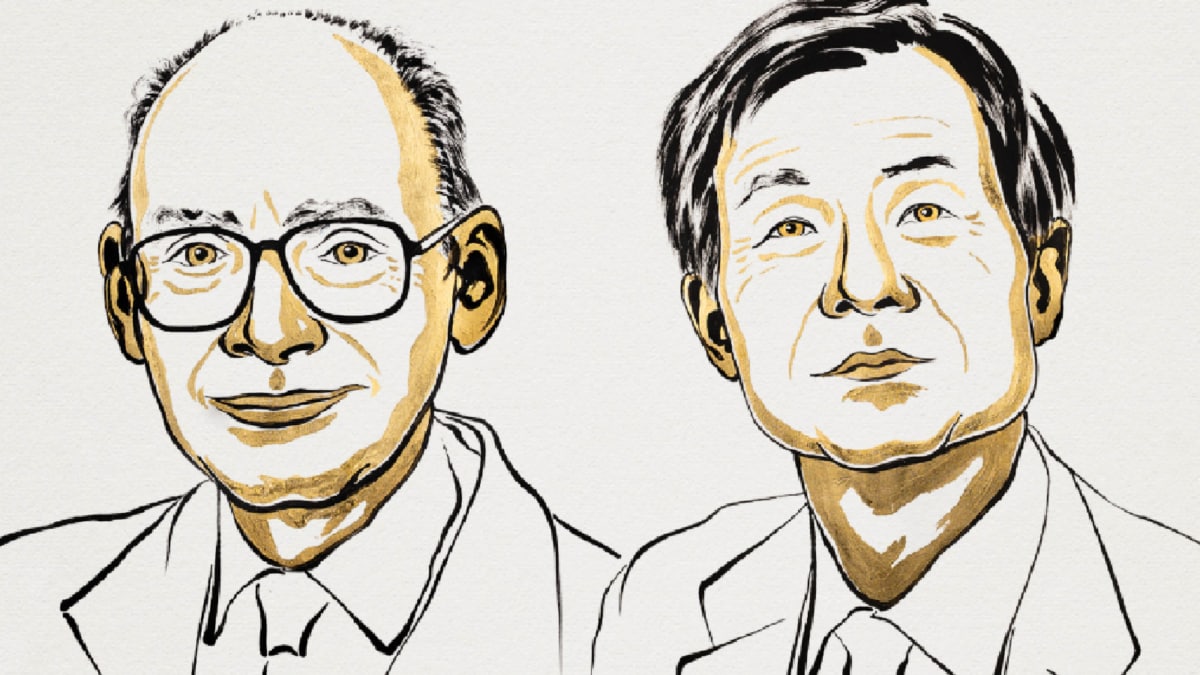
Some molecules come in two forms that are mirror images, like left and right hands.
These forms can act differently in living things.
Henri B. Kagan found that a small change in a reaction's catalyst can cause a much bigger change in which form is made.
Kenso Soai studied a reaction where the product helps make more of itself.
This can magnify a tiny initial difference between the two forms.
Their work helps explain how one form can become much more common than the other.
That knowledge is useful for making medicines and other substances.
Kagan and Soai received the 2026 Nobel Prize in Chemistry and will share its 12 million kronor award.

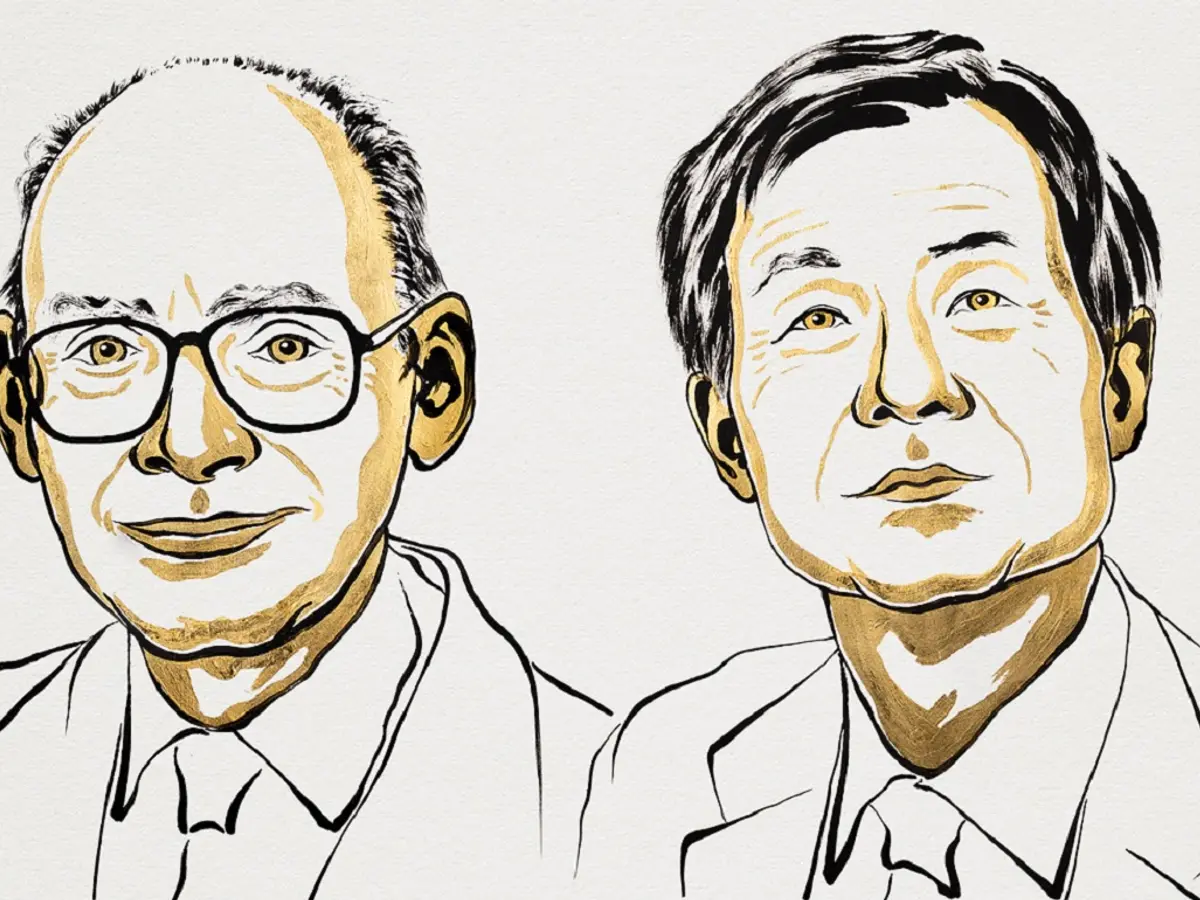
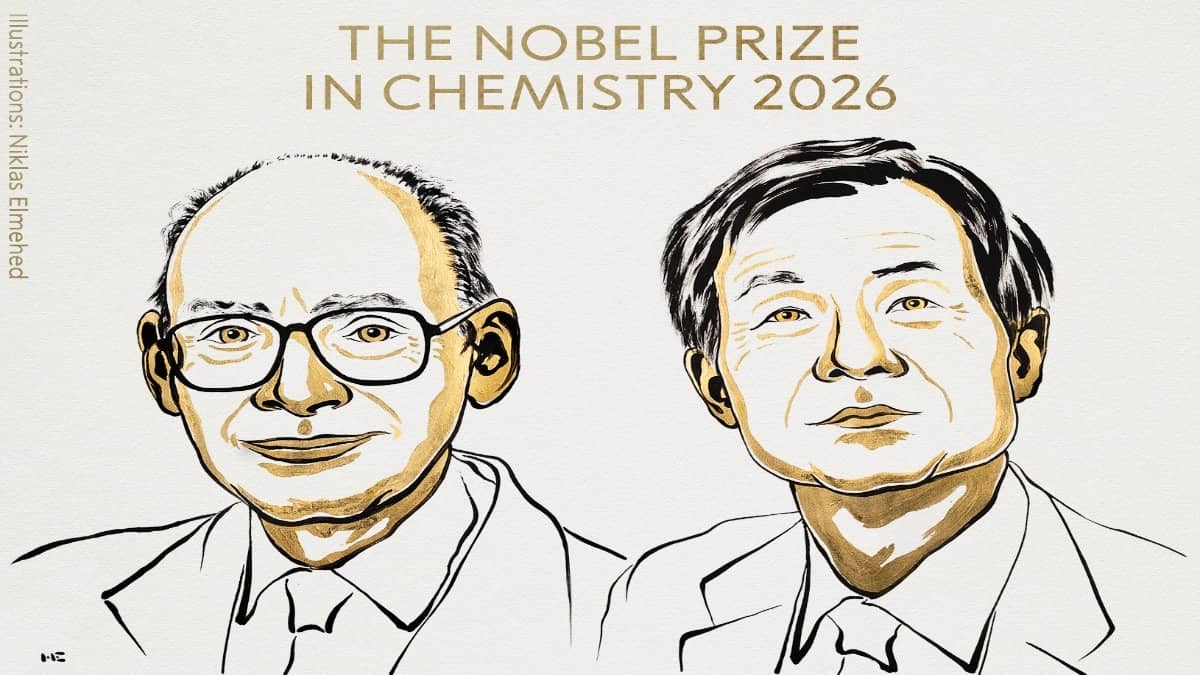
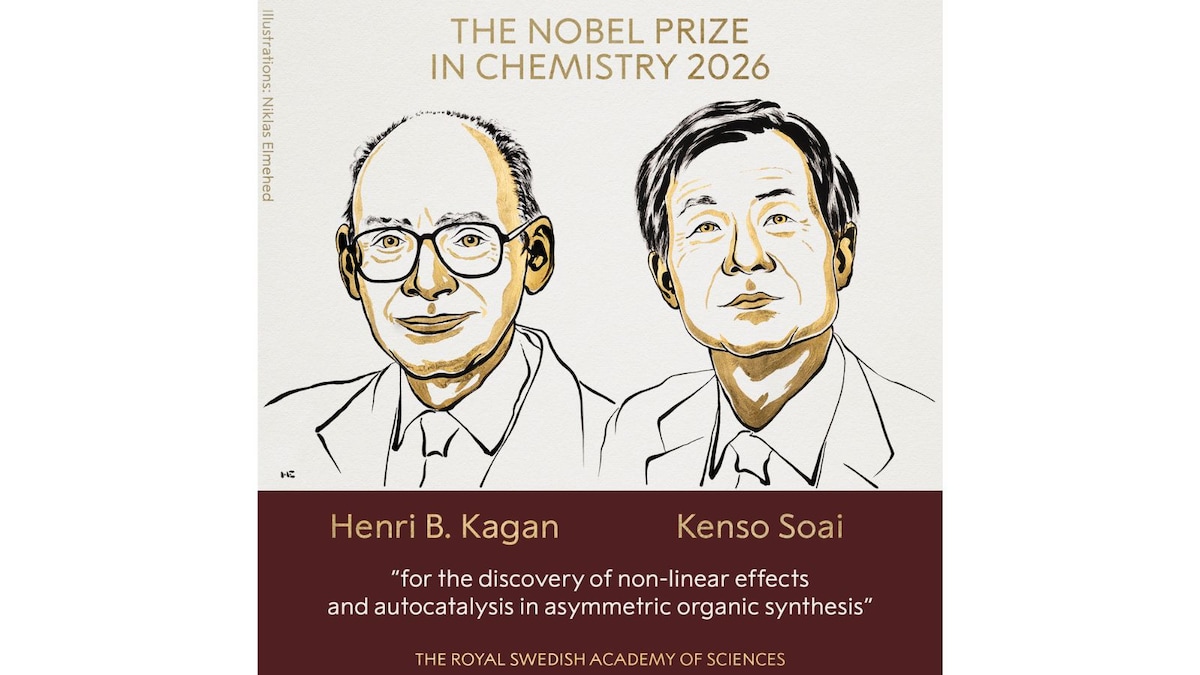
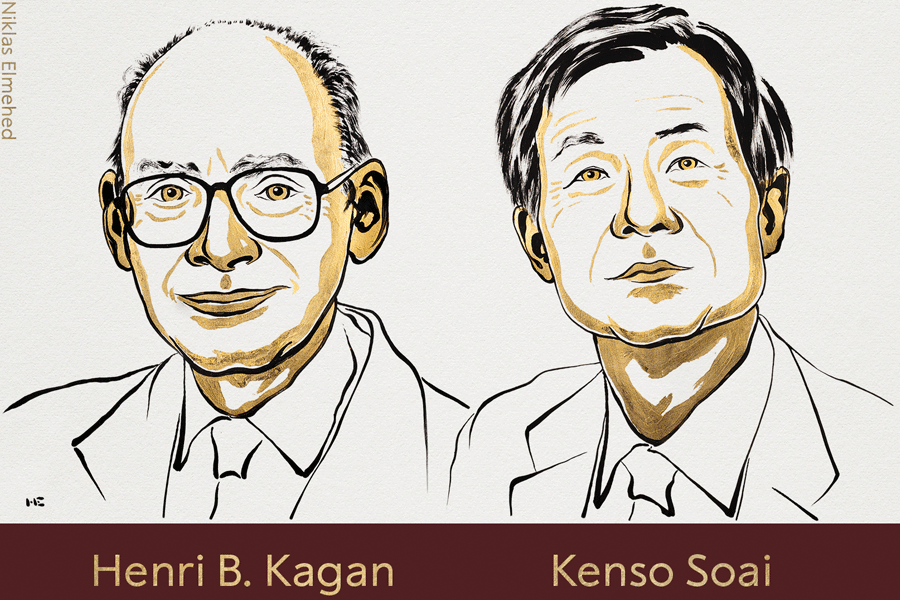
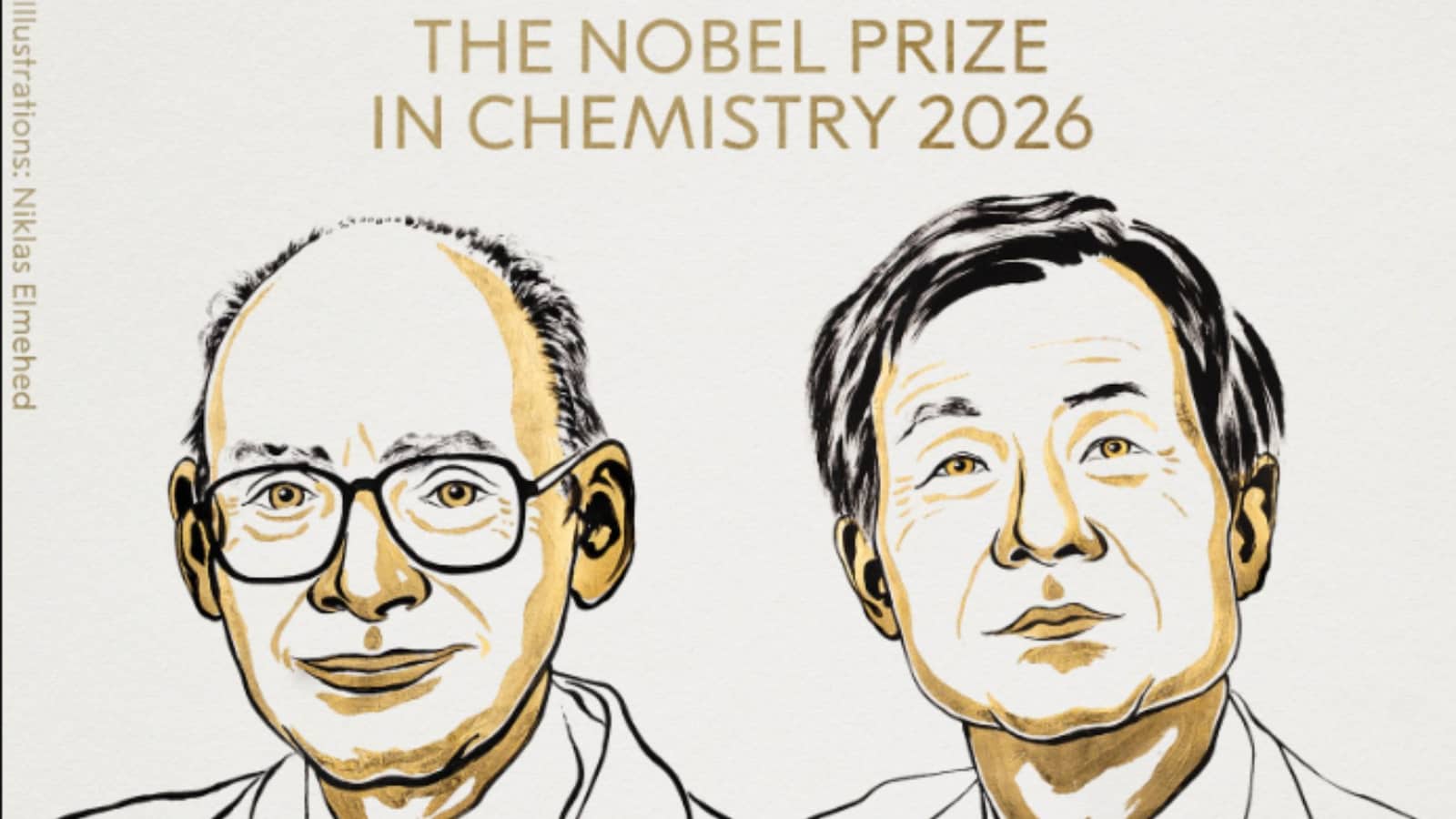
Henri B. Kagan and Kenso Soai won the 2026 Nobel Prize in Chemistry for discoveries involving non-linear effects and autocatalysis in asymmetric organic synthesis.
Kagan's research showed that a small difference in a chiral catalyst can lead to a much larger difference in the mirror-image forms produced.
Soai demonstrated asymmetric autocatalysis, in which a reaction product helps produce more of the same molecular form.
Their work helps explain how chemical reactions can favor one mirror-image form, or handedness, over another.
The discoveries have applications in designing reactions for pharmaceuticals and other products; the laureates will share 12 million Swedish kronor.
- Who
- Henri B. Kagan and Kenso Soai
- What
- They received the 2026 Nobel Prize in Chemistry for discoveries of non-linear effects and autocatalysis in asymmetric organic synthesis.
- Where
- The award was announced in Stockholm, Sweden.
- When
- Announced on Wednesday, October 7, 2026.
- Why
- Their work showed how chemical reactions can amplify differences between mirror-image forms of molecules, with applications including pharmaceutical manufacturing.
Key facts
- Award
- 2026 Nobel Prize in Chemistry
- Laureates
- Henri B. Kagan and Kenso Soai
- Recognized work
- Non-linear effects and autocatalysis in asymmetric organic synthesis
- Kagan milestone
- His breakthrough on influencing reactions was reported in 1986.
- Soai milestone
- He proposed a reaction design in 1995 and demonstrated a reaction producing one mirror-image form in 2003.
- Prize amount
- 12 million Swedish kronor, about US$1.2 million, shared by the laureates
- Award ceremony
- Scheduled for December 10 in Stockholm
Quotes

The Nobel Committee for Chemistry
Committee awarding the Nobel Prize in Chemistry
“Thanks to Henri Kagan and Kenso Soai, we now know how homochirality can emerge. Their discoveries have been decisive for chemists who design reactions for the manufacture of pharmaceuticals.”
 financialexpress.com
“Other than life itself, no one had ever achieved this feat. The Soai reaction is one of the most spectacular chemical experiments ever conducted.”
 indianexpress.com
Heiner Linke
Chair of the Nobel Committee for Chemistry.
“So this year's prize is about foundational chemistry. Many molecules occur in two different versions. Like my hands. They are one another's mirror image, they look alike, but they are not identical. I cannot put my hands on top of one another. Such molecules are called chiral, from the Greek word for hand”
 timesnownews.com
 republicworld.com
 theprint.in
 telegraphindia.com
“Henri Kagan and Kenso Soai have provided a solution to a chemical mystery that is over a century old: how homochirality can emerge spontaneously. The chemical reactions they have developed are spectacular.”
indianexpress.com
financialexpress.com
Sources
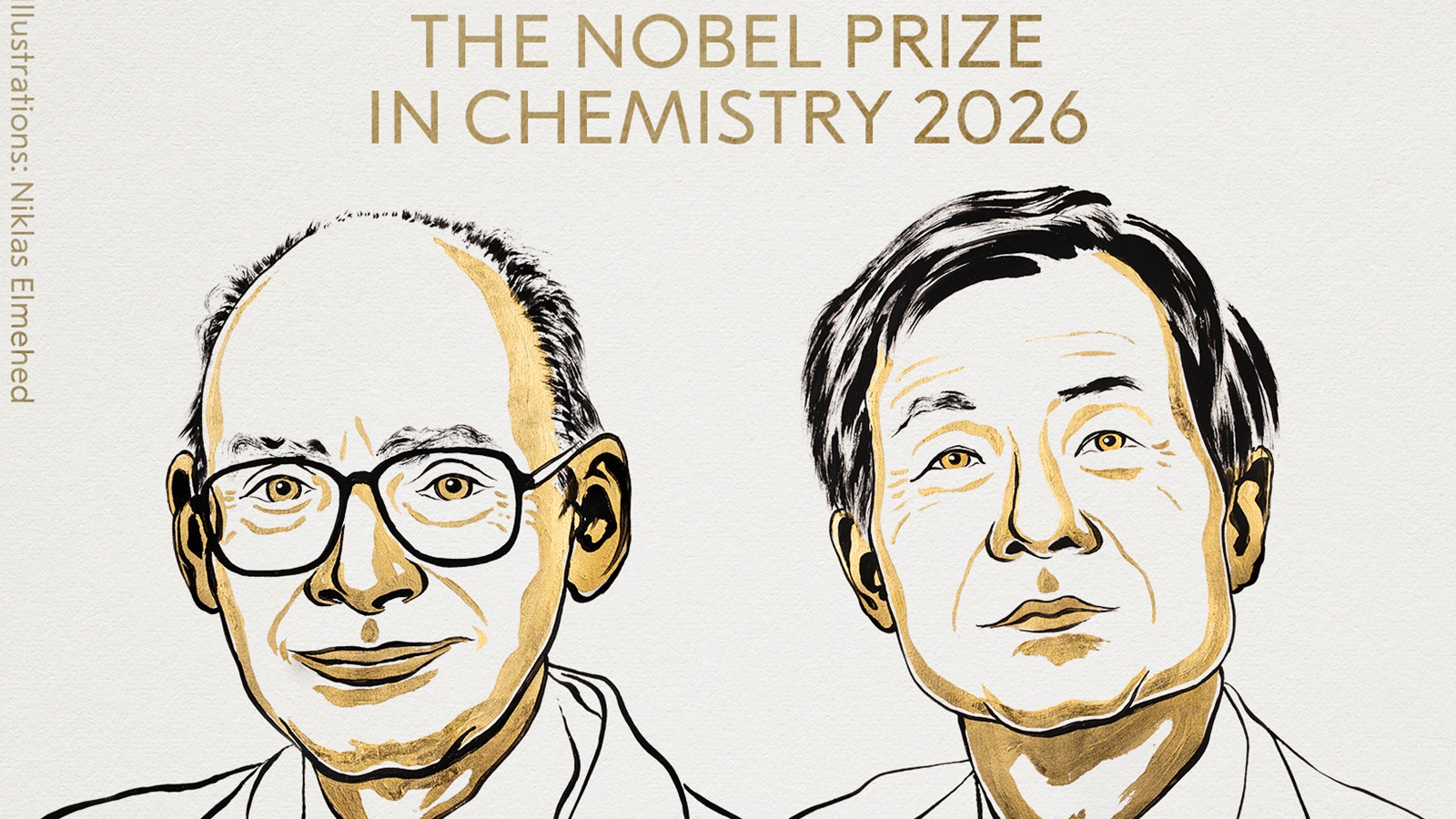
Henri Kagan, Kenso Soai win Chemistry Nobel for solving ‘mirror image’ mystery
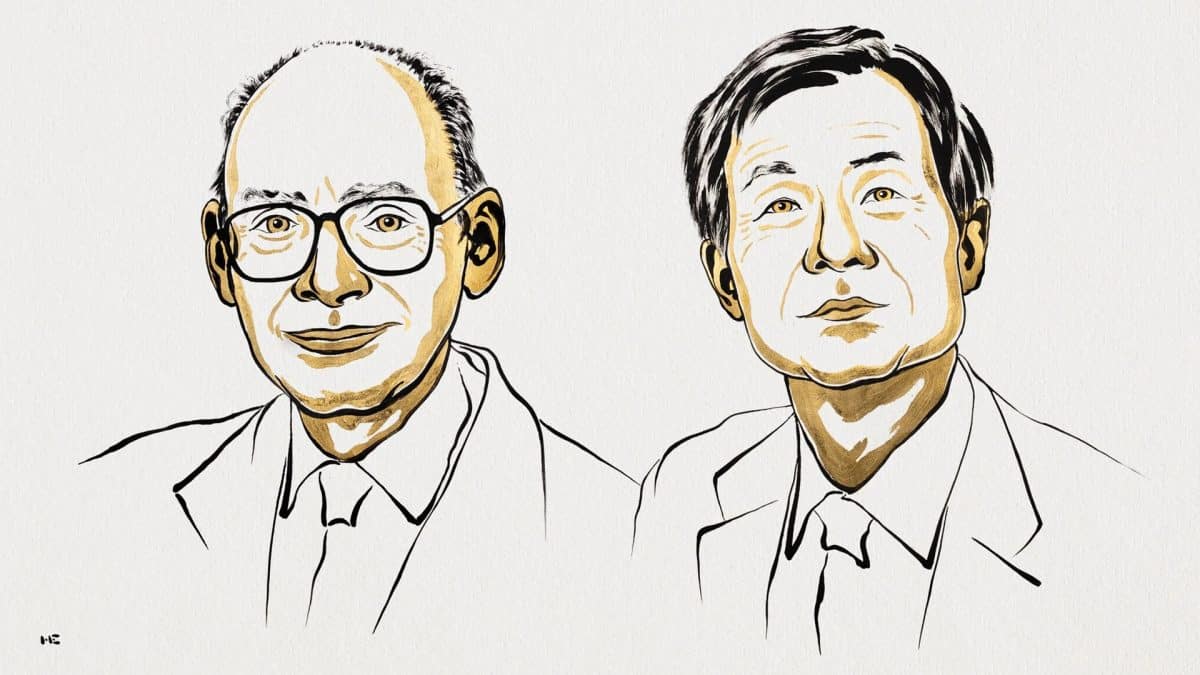
Nobel Prize in Chemistry 2026 awarded to Henri Kagan, Kenso Soai for breakthrough in molecular mirror images
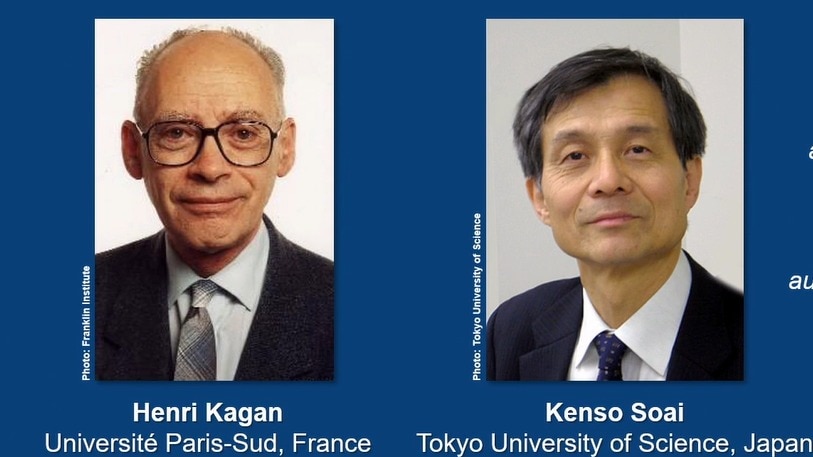
Nobel Chemistry Prize 2026 goes to Henri B. Kagan, Kenso Soai. What is asymmetric autocatalysis?
Nobel Prize in Chemistry 2026 goes to Kagan and Soai for work on 'molecular asymmetry'
Henri Kagan, Kenso Soai Win 2026 Nobel Chemistry Prize for Autocatalysis

Henri B. Kagan and Kenso Soai Win 2026 Nobel Prize in Chemistry
Henri Kagan and Kenso Soai Win 2026 Nobel Prize in Chemistry for Discoveries in Asymmetric Organic Synthesis

Kagan and Soai win 2026 Nobel chemistry prize
Chemistry Nobel Prize 2026: Who are Henri B. Kagan, Kenso Soai and what did they discover?
Henri Kagan, Kenso Soai win 2026 Nobel Prize in Chemistry for work on asymmetric synthesis
Nobel Chemistry Prize 2026 goes to Henri B. Kagan and Kenso Soai for work on asymmetric synthesis
Henri Kagan And Kenso Soai: Meet The Scientists Behind 2026 Nobel Prize In Chemistry
Nobel Prize In Chemistry 2026 Awarded To Henri B Kagan, Kenso Soai
Related news

Three Scientists Win 2026 Nobel Medicine Prize for Optogenetics
Nobel Prize 2026 Announcements Scheduled Across October
JNU Professor’s Research Linked to Nobel-Winning Optogenetics Discovery

Nobel Prize 2026: Prize Money Rises to SEK 12 Million
Francis Halzen Wins 2026 Physics Nobel for IceCube Neutrinos