

1 hr ago
Supreme Court Seeks Answers on Election Commission Decisions

Some people asked India’s top court to review how the Election Commission makes decisions.
They said the Chief Election Commissioner had made decisions without the other two commissioners’ approval.
The Election Commission says disagreements are normal and its orders follow the law.
The judges asked the Election Commission and the government to respond and provide relevant details.
The court did not immediately stop the Chief Election Commissioner from making decisions.
It said it could cancel decisions if they were not made according to the law.
The judges also said they needed to hear from the people involved before deciding.
The case will continue after those responses are considered.

The Supreme Court issued notices to the Election Commission and the Centre on petitions alleging decisions were made without the two election commissioners’ approval.
The bench said it could annul decisions found not to comply with legal requirements for unanimity or a majority.
The court declined to temporarily restrain Chief Election Commissioner Gyanesh Kumar or suspend him before hearing the respondents.
The petitioners sought limits on the CEC’s decision-making and argued that the electoral roll had been affected by unilateral decisions.
The Election Commission said differing views are normal and that its orders have legal sanction and follow statutory procedures.
- Who
- The Supreme Court of India, the Election Commission, the Centre, and petitioners Rakesh Kumar Singh and Shailendra Mani Tripathi.
- What
- The court issued notices over allegations that Election Commission decisions were made without the required approval of its commissioners.
- Where
- New Delhi, India.
- When
- Monday, October 5; the report does not specify the year.
- Why
- The petitions ask the court to examine whether the Chief Election Commissioner exercised powers belonging to the Commission as a whole.
Petitioners’ claims
Election Commission’s position
How decisions were made
Petitioners’ claims
The petitioners alleged that the CEC made decisions without the approval or recommendation of the other commissioners and asked the court to require unanimous or majority decisions.
Election Commission’s position
The Election Commission said differing views and observations are normal in institutional deliberations and that its orders followed statutory procedures.
Whether to restrict the CEC immediately
Petitioners’ claims
Rakesh Kumar Singh sought an interim order preventing Gyanesh Kumar from taking further decisions and also sought his suspension.
Election Commission’s position
The court declined to grant interim restrictions before hearing the respondents, noting that suspending the CEC could stall the Commission’s work.
Key facts
- Court action
- Notices issued to the Election Commission and the Centre; the court requested relevant details.
- Bench
- Chief Justice of India Surya Kant and Justices Joymalya Bagchi and V Mohana.
- Interim relief
- The court declined to restrain Chief Election Commissioner Gyanesh Kumar from making decisions pending final disposal.
- Potential remedy
- The bench said it could annul decisions that did not comply with the law, including required unanimity or majority.
- Petitioners
- Rakesh Kumar Singh and, in a connected petition, advocate Shailendra Mani Tripathi.
- Disputed decisions
- A report cited by the article said commissioners Sukhbir Singh Sandhu and Vivek Joshi objected at least 14 times over 10 months to decisions concerning the Special Intensive Revision of electoral rolls.
- Election Commission response
- The Commission said differing views are normal and its orders have full legal sanction and follow established statutory procedures.
Quotes
Chief Justice Surya Kant
Chief Justice of India and member of the Supreme Court bench hearing the petitions.
“If there is no unanimity or majority as mandated under the law, then the court can very well annul those decisions.”
 theprint.in
Sources
Related news
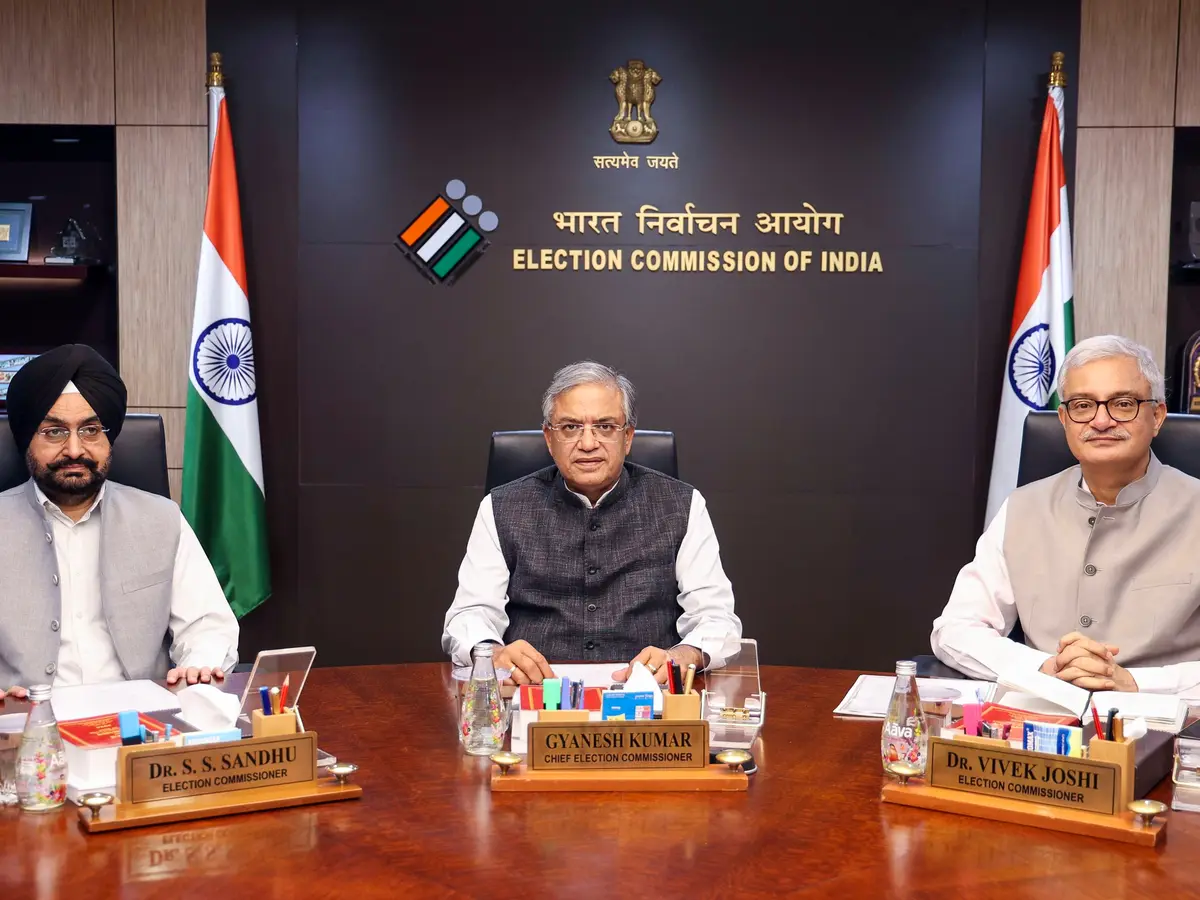
Supreme Court Declines Interim Suspension of CEC Gyanesh Kumar
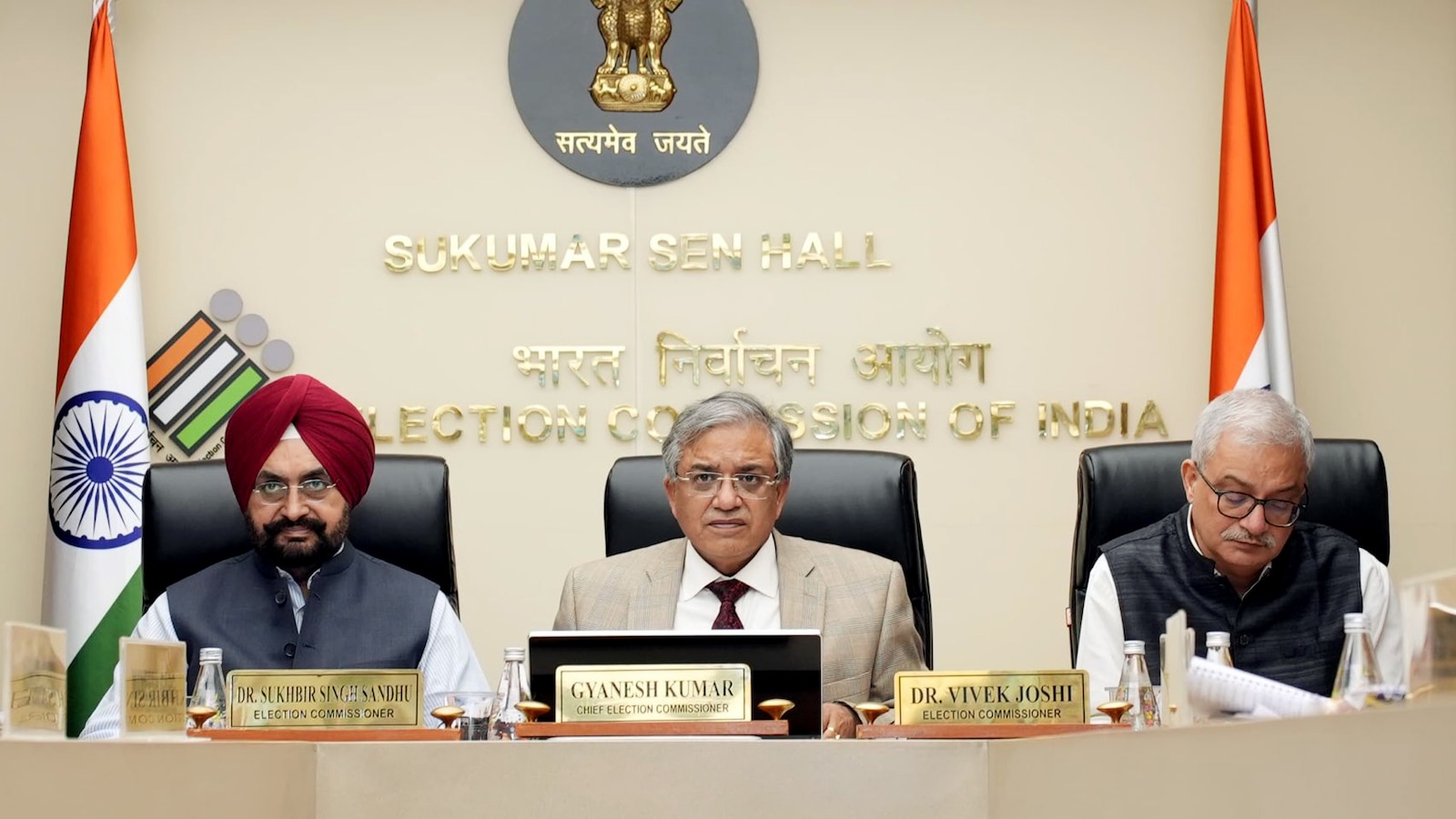
Supreme Court Seeks Replies Over Gyanesh Kumar's Poll Panel Decisions
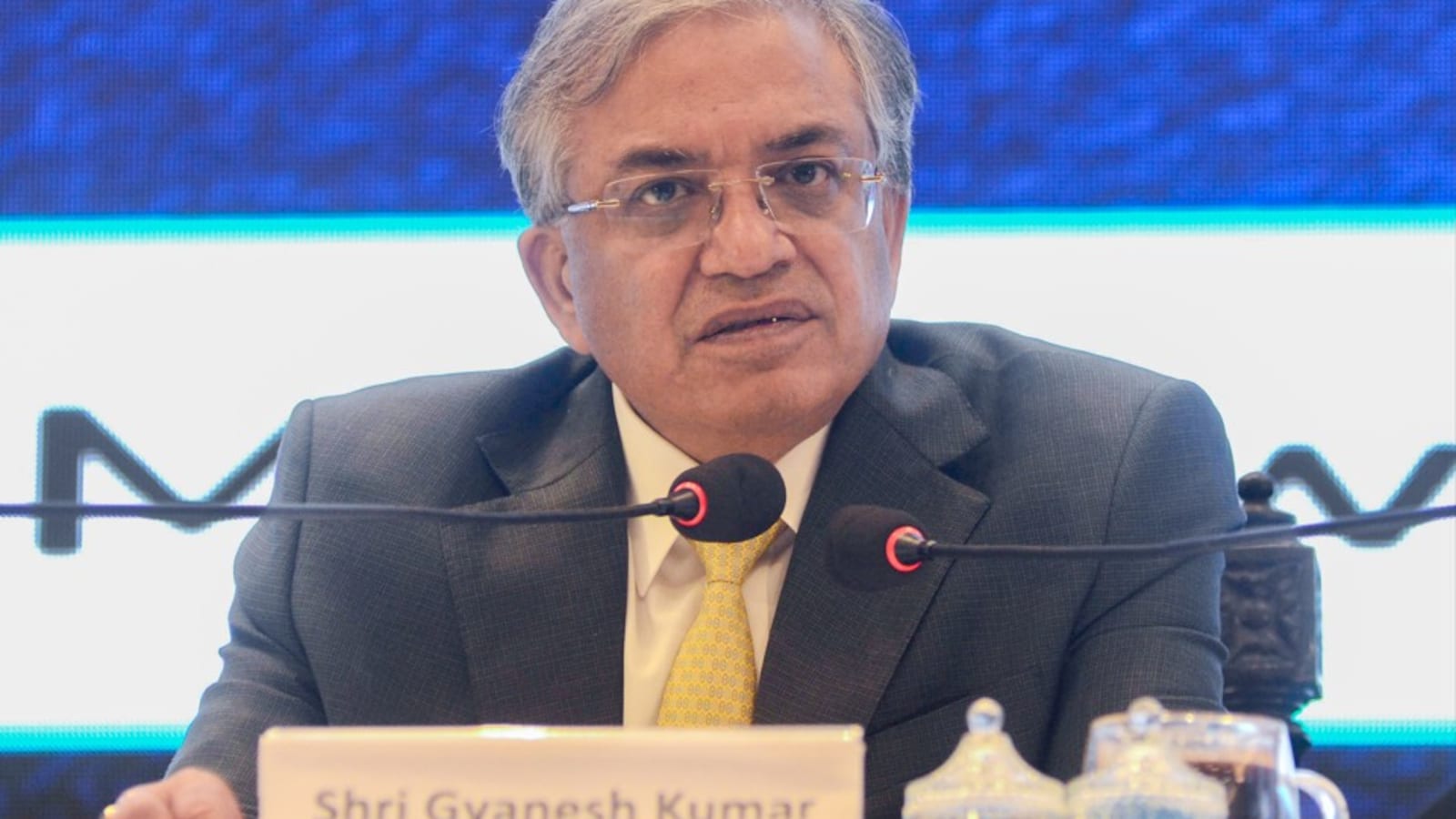
Supreme Court Seeks Election Commission Response on Decision-Making Allegations
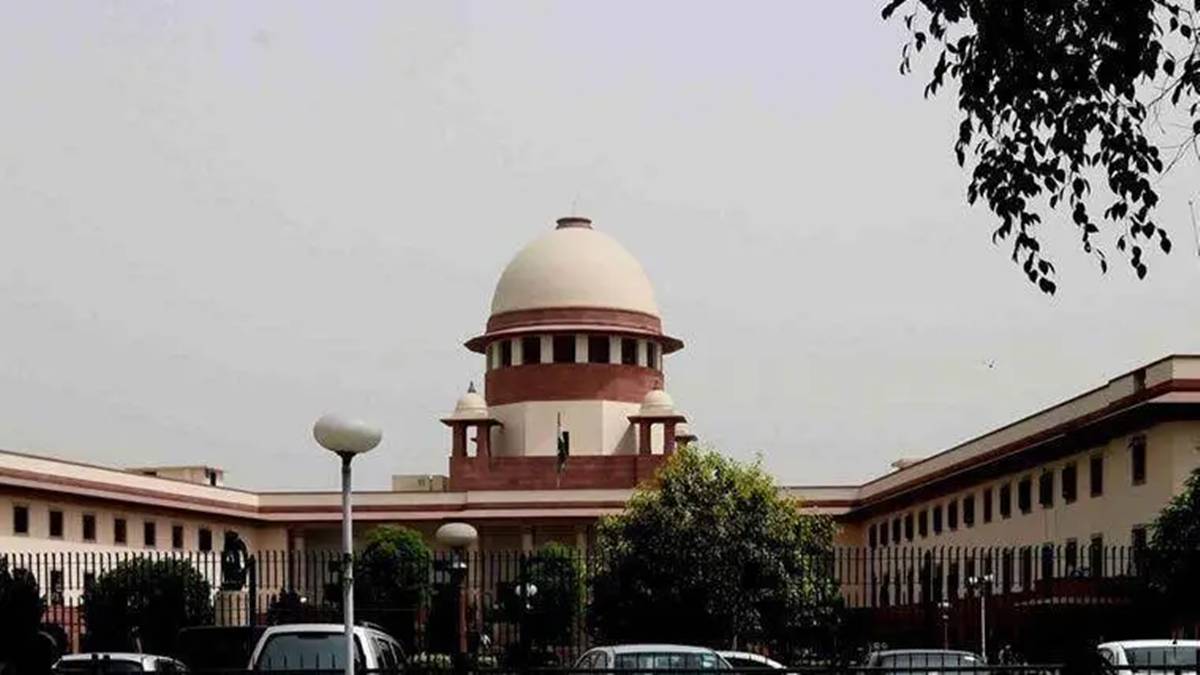
Supreme Court to Hear Plea on ECI Decision-Making
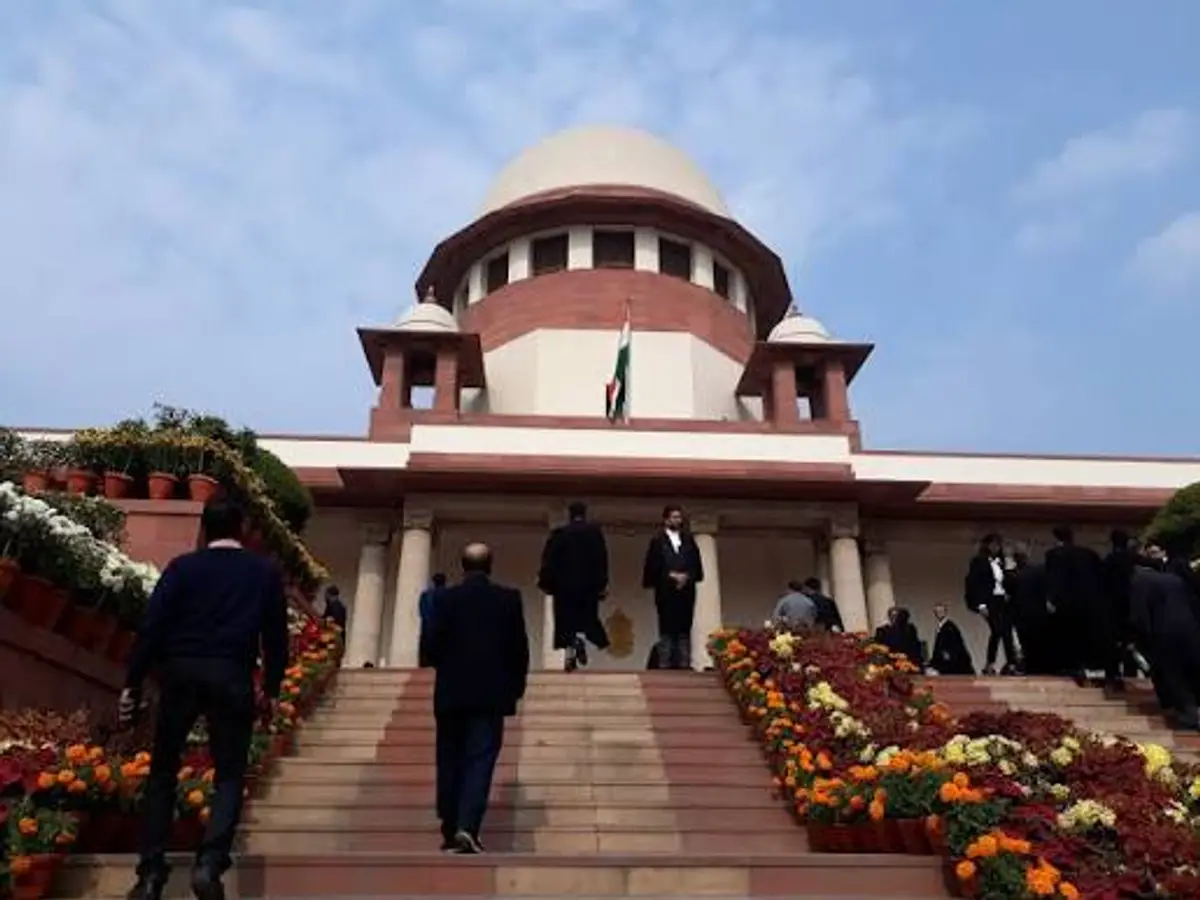
Supreme Court to Hear Challenge to CEC’s ECI Functioning

Supreme Court Examines CEC Immunity in SIR Petitions

Impeachment Notice Adds Pressure on Election Chief Gyanesh Kumar

Supreme Court Says It Did Not Approve Form 6 Changes
Piyush Mishra Criticizes Naseeruddin Shah Over Selective Activism
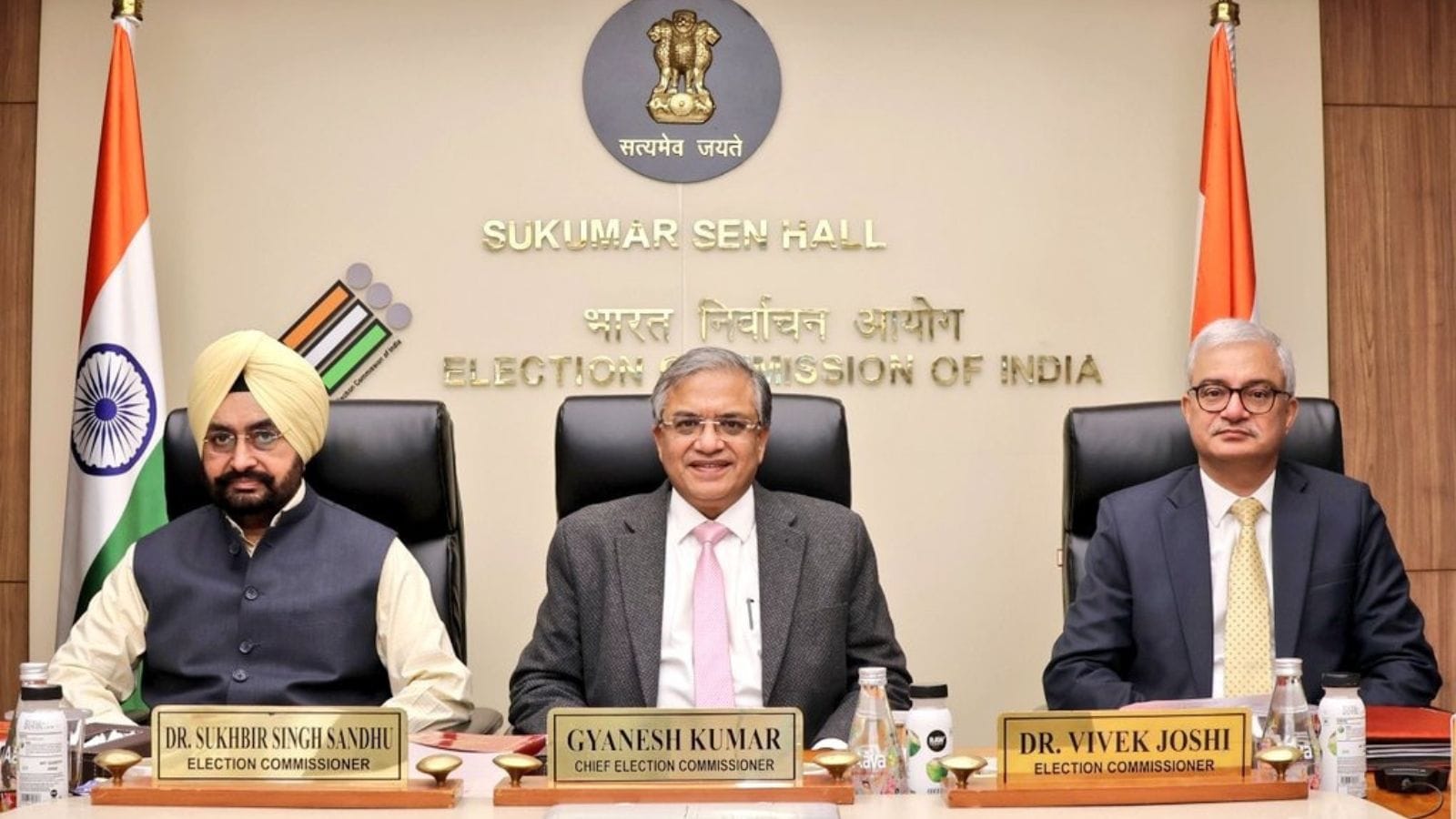
Supreme Court Says Modified Form 6 Was Not Approved